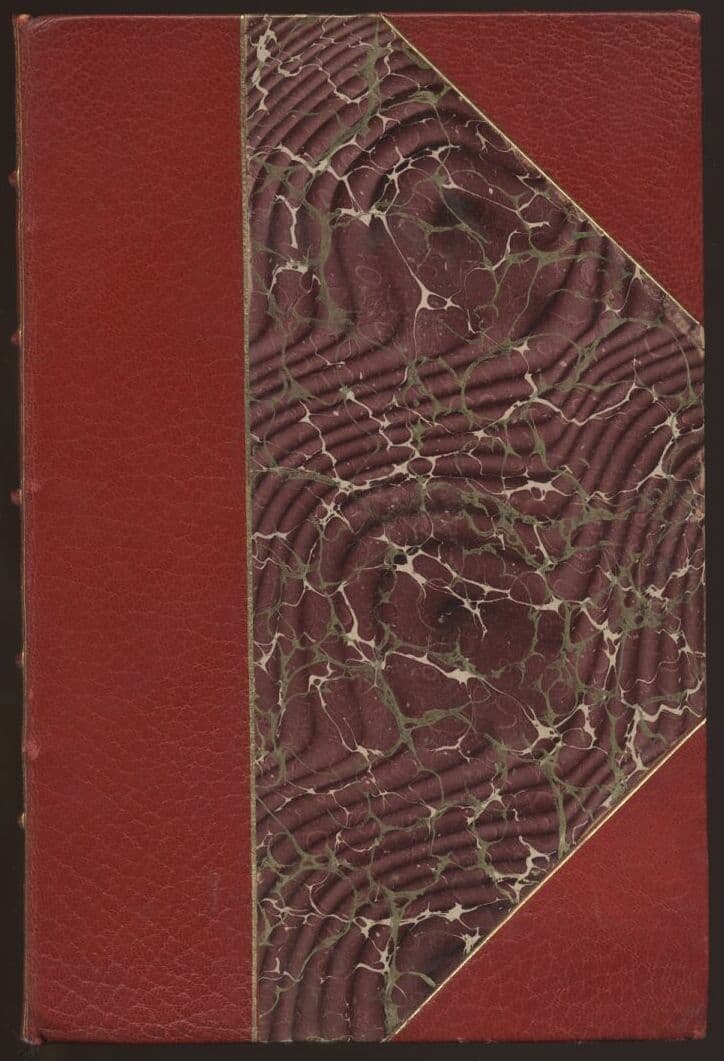
The Poacher; Or, Joseph Rushbrook
1841
The opening is a masterpiece of comic deception: three men stagger home through a bleak Devonshire night, a schoolmaster and pedlar propping up their apparently lifeless companion, Joseph Rushbrook. But wait, Rushbrook isn't drunk at all. He's stone-cold sober, mentally rehearsing his poaching mission while his companions prattle on about drink. This is Marryat at his finest, using dark comedy to reveal something urgent: a man the law calls a criminal, but who might just be a desperate father trying to feed his family. A former soldier returns from service to find his country has offered him nothing but poverty. The game laws will hang him for stealing a rabbit, but starvation will kill him first. What could be a simple tale of crime and punishment becomes something richer: an examination of morality under capitalism, of who gets to eat and who gets to hang. Rushbrook is clever, sympathetic, and guilty, and Marryat refuses to let the reader look away from the uncomfortable truth that his crime is an economic necessity. The humor is genuine, but so is the critique. This is early Victorian social fiction at its most engaging, a novel that understands how laughter and injustice can coexist.
Editions
Link to this book
Add a free, dofollow link to Lex on your blog, forum, syllabus, or reading list.

<a href="https://lex-books.com/book/the-poacher-or-joseph-rushbrook-4adfd66f-c22d-4349-a070-5e749011ed7e"><img src="https://lex-books.com/badges/read-on-lex.svg" alt="Read The Poacher; Or, Joseph Rushbrook by Frederick Marryat free on Lex" width="160" height="40"></a>[](https://lex-books.com/book/the-poacher-or-joseph-rushbrook-4adfd66f-c22d-4349-a070-5e749011ed7e)[url=https://lex-books.com/book/the-poacher-or-joseph-rushbrook-4adfd66f-c22d-4349-a070-5e749011ed7e][img]https://lex-books.com/badges/read-on-lex.svg[/img][/url]Read The Poacher; Or, Joseph Rushbrook by Frederick Marryat free on Lex: https://lex-books.com/book/the-poacher-or-joseph-rushbrook-4adfd66f-c22d-4349-a070-5e749011ed7eCite this book
Reading this edition for a paper or guide? Copy a citation.
Marryat, Frederick. The Poacher; Or, Joseph Rushbrook. Lex, lex-books.com/book/the-poacher-or-joseph-rushbrook-4adfd66f-c22d-4349-a070-5e749011ed7e.Marryat, F. (1841). The Poacher; Or, Joseph Rushbrook. Lex. https://lex-books.com/book/the-poacher-or-joseph-rushbrook-4adfd66f-c22d-4349-a070-5e749011ed7eMarryat, Frederick. The Poacher; Or, Joseph Rushbrook. Lex. https://lex-books.com/book/the-poacher-or-joseph-rushbrook-4adfd66f-c22d-4349-a070-5e749011ed7e.