Zuñi Fetiches: Second Annual Report of the Bureau of Ethnology to the Secretary of the Smithsonian Institution, 1880-1881, Government Printing Office, Washington, 1883, Pages 3-45
Zuñi Fetiches: Second Annual Report of the Bureau of Ethnology to the Secretary of the Smithsonian Institution, 1880-1881, Government Printing Office, Washington, 1883, Pages 3-45
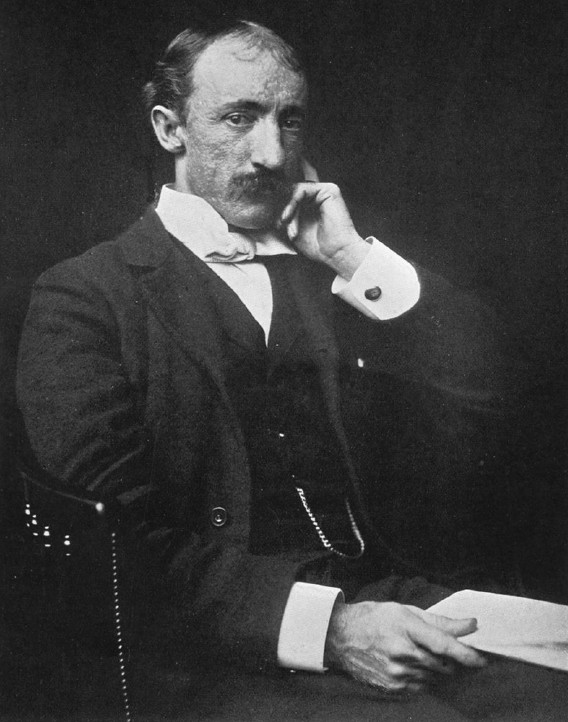
In 1880, a young anthropologist named Frank Hamilton Cushing did something unprecedented: he abandoned the observer's distance and lived among the Zuñi people for four years, learning their language, participating in their rituals, and eventually being adopted into the tribe. This report, emerging from that extraordinary immersion, offers one of the earliest and most intimate portraits of Zuñi spiritual life ever recorded by an outsider. Cushing explores the Zuñi philosophy of existence, a worldview in which humans, animals, stones, and celestial bodies form a vast interconnected web of being. At its heart lie the fetiches: carved stone animals believed to house spirits capable of intervening in human affairs, from ensuring successful hunts to curing illness or guiding warriors. Through myths like the "Zuñi Iliad," Cushing documents the cosmological narratives that bind this people to their landscape and its creatures. The result is neither dry anthropology nor romantic exoticism, but something rarer: a sincere attempt to understand a spiritual system on its own terms. The work remains invaluable not for its Victorian framing, but for the window it provides onto a sophisticated philosophy of reciprocity between humanity and the natural world.
Editions
Link to this book
Add a free, dofollow link to Lex on your blog, forum, syllabus, or reading list.

<a href="https://lex-books.com/book/zu-i-fetiches-second-annual-report-of-the-bureau-of-ethnology-to-the-secretary-o-5e96f42c-0c00-4185-b984-e53e58dfa97f"><img src="https://lex-books.com/badges/read-on-lex.svg" alt="Read Zuñi Fetiches: Second Annual Report of the Bureau of Ethnology to the Secretary of the Smithsonian Institution, 1880-1881, Government Printing Office, Washington, 1883, Pages 3-45 by Frank Hamilton Cushing free on Lex" width="160" height="40"></a>[](https://lex-books.com/book/zu-i-fetiches-second-annual-report-of-the-bureau-of-ethnology-to-the-secretary-o-5e96f42c-0c00-4185-b984-e53e58dfa97f)[url=https://lex-books.com/book/zu-i-fetiches-second-annual-report-of-the-bureau-of-ethnology-to-the-secretary-o-5e96f42c-0c00-4185-b984-e53e58dfa97f][img]https://lex-books.com/badges/read-on-lex.svg[/img][/url]Read Zuñi Fetiches: Second Annual Report of the Bureau of Ethnology to the Secretary of the Smithsonian Institution, 1880-1881, Government Printing Office, Washington, 1883, Pages 3-45 by Frank Hamilton Cushing free on Lex: https://lex-books.com/book/zu-i-fetiches-second-annual-report-of-the-bureau-of-ethnology-to-the-secretary-o-5e96f42c-0c00-4185-b984-e53e58dfa97fCite this book
Reading this edition for a paper or guide? Copy a citation.
Cushing, Frank Hamilton. Zuñi Fetiches: Second Annual Report of the Bureau of Ethnology to the Secretary of the Smithsonian Institution, 1880-1881, Government Printing Office, Washington, 1883, Pages 3-45. Lex, lex-books.com/book/zu-i-fetiches-second-annual-report-of-the-bureau-of-ethnology-to-the-secretary-o-5e96f42c-0c00-4185-b984-e53e58dfa97f.Cushing, F. H. (n.d.). Zuñi Fetiches: Second Annual Report of the Bureau of Ethnology to the Secretary of the Smithsonian Institution, 1880-1881, Government Printing Office, Washington, 1883, Pages 3-45. Lex. https://lex-books.com/book/zu-i-fetiches-second-annual-report-of-the-bureau-of-ethnology-to-the-secretary-o-5e96f42c-0c00-4185-b984-e53e58dfa97fCushing, Frank Hamilton. Zuñi Fetiches: Second Annual Report of the Bureau of Ethnology to the Secretary of the Smithsonian Institution, 1880-1881, Government Printing Office, Washington, 1883, Pages 3-45. Lex. https://lex-books.com/book/zu-i-fetiches-second-annual-report-of-the-bureau-of-ethnology-to-the-secretary-o-5e96f42c-0c00-4185-b984-e53e58dfa97f.