A Study of Pueblo Pottery as Illustrative of Zuñi Culture Growth.: Fourth Annual Report of the Bureau of Ethnology to the Secretary of the Smithsonian Institution, 1882-83, Government Printing Office, Washington, 1886, Pages 467-522
A Study of Pueblo Pottery as Illustrative of Zuñi Culture Growth.: Fourth Annual Report of the Bureau of Ethnology to the Secretary of the Smithsonian Institution, 1882-83, Government Printing Office, Washington, 1886, Pages 467-522
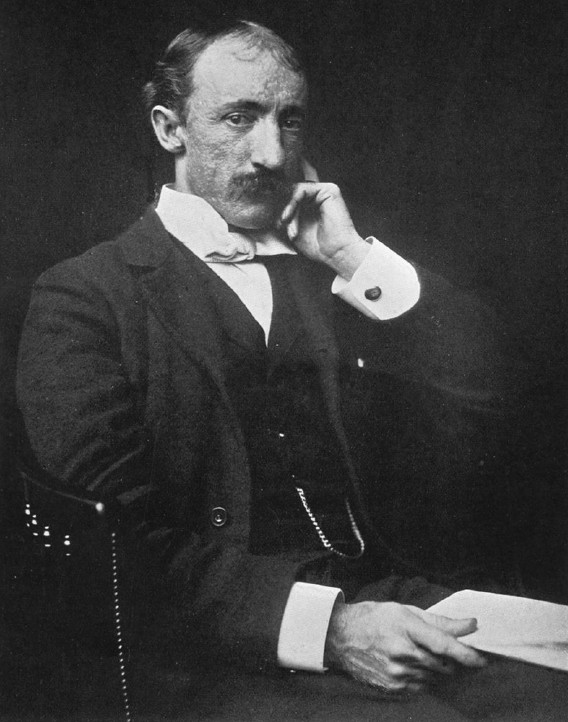
In 1882, a young anthropologist named Frank Hamilton Cushing did something unprecedented: he went to live among the Zuñi people, eventually becoming initiated into their tribe. This report, arising from that immersive fieldwork, reads pottery not as artifact but as autobiography. Cushing traces the evolution of Pueblo ceramics from their origins in basketry through increasingly sophisticated forms, arguing that every coil, every geometric pattern, every vessel shape encodes cultural knowledge about survival, spirituality, and social organization in the arid Southwest.Environmental adaptation becomes cultural narrative. Cushing demonstrates how the demands of cooking, storage, and water transport shaped not only vessel forms but also the decorative symbolism embedded within them. The result is a portrait of a people engineering their identity through clay, their artistic sensibility flowering precisely because of, not despite, the constraints of their environment. This is anthropology at its most ambitious: using humble cookware to reconstruct an entire civilization's philosophy of life.For anyone interested in the American Southwest, the history of anthropology, or material culture as a window into the human mind, this century-old report remains surprisingly vital. Cushing's willingness to learn from the Zuñi rather than simply catalog them gives this work a warmth that many contemporaneous ethnographies lack.
Editions
Link to this book
Add a free, dofollow link to Lex on your blog, forum, syllabus, or reading list.

<a href="https://lex-books.com/book/a-study-of-pueblo-pottery-as-illustrative-of-zu-i-culture-growth-fourth-annual-r-1118df93-ef22-4814-826b-97016fcfc81a"><img src="https://lex-books.com/badges/read-on-lex.svg" alt="Read A Study of Pueblo Pottery as Illustrative of Zuñi Culture Growth.: Fourth Annual Report of the Bureau of Ethnology to the Secretary of the Smithsonian Institution, 1882-83, Government Printing Office, Washington, 1886, Pages 467-522 by Frank Hamilton Cushing free on Lex" width="160" height="40"></a>[](https://lex-books.com/book/a-study-of-pueblo-pottery-as-illustrative-of-zu-i-culture-growth-fourth-annual-r-1118df93-ef22-4814-826b-97016fcfc81a)[url=https://lex-books.com/book/a-study-of-pueblo-pottery-as-illustrative-of-zu-i-culture-growth-fourth-annual-r-1118df93-ef22-4814-826b-97016fcfc81a][img]https://lex-books.com/badges/read-on-lex.svg[/img][/url]Read A Study of Pueblo Pottery as Illustrative of Zuñi Culture Growth.: Fourth Annual Report of the Bureau of Ethnology to the Secretary of the Smithsonian Institution, 1882-83, Government Printing Office, Washington, 1886, Pages 467-522 by Frank Hamilton Cushing free on Lex: https://lex-books.com/book/a-study-of-pueblo-pottery-as-illustrative-of-zu-i-culture-growth-fourth-annual-r-1118df93-ef22-4814-826b-97016fcfc81aCite this book
Reading this edition for a paper or guide? Copy a citation.
Cushing, Frank Hamilton. A Study of Pueblo Pottery as Illustrative of Zuñi Culture Growth.: Fourth Annual Report of the Bureau of Ethnology to the Secretary of the Smithsonian Institution, 1882-83, Government Printing Office, Washington, 1886, Pages 467-522. Lex, lex-books.com/book/a-study-of-pueblo-pottery-as-illustrative-of-zu-i-culture-growth-fourth-annual-r-1118df93-ef22-4814-826b-97016fcfc81a.Cushing, F. H. (n.d.). A Study of Pueblo Pottery as Illustrative of Zuñi Culture Growth.: Fourth Annual Report of the Bureau of Ethnology to the Secretary of the Smithsonian Institution, 1882-83, Government Printing Office, Washington, 1886, Pages 467-522. Lex. https://lex-books.com/book/a-study-of-pueblo-pottery-as-illustrative-of-zu-i-culture-growth-fourth-annual-r-1118df93-ef22-4814-826b-97016fcfc81aCushing, Frank Hamilton. A Study of Pueblo Pottery as Illustrative of Zuñi Culture Growth.: Fourth Annual Report of the Bureau of Ethnology to the Secretary of the Smithsonian Institution, 1882-83, Government Printing Office, Washington, 1886, Pages 467-522. Lex. https://lex-books.com/book/a-study-of-pueblo-pottery-as-illustrative-of-zu-i-culture-growth-fourth-annual-r-1118df93-ef22-4814-826b-97016fcfc81a.