France and England in North America, Part III: La Salle, Discovery of the Great West
France and England in North America, Part III: La Salle, Discovery of the Great West
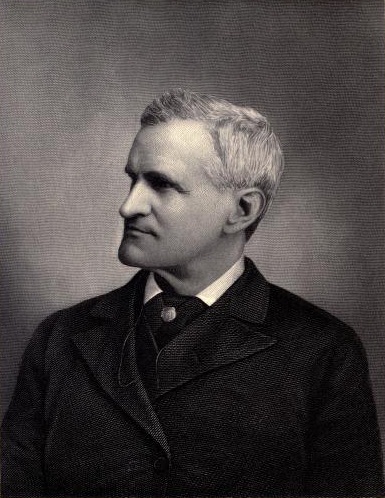
In the annals of American exploration, few figures cast as long a shadow as René-Robert Cavelier de La Salle. A visionary explorer driven by an almost fatal ambition, La Salle had already claimed the entire Louisiana Territory for France in 1682, tracing the Mississippi from source to Gulf. But it was his doomed final expedition that would seal his legend. In 1684, he set sail with four ships to establish a colony at the mouth of the Mississippi, only to miss his target entirely and wash up on the shores of East Texas. There, in a landscape of merciless sun and trackless marsh, his expedition slowly disintegrated. Disease thinned his men. Buffalo gored them. The river they sought remained hidden behind endless dunes. In 1687, on one last desperate overland march, La Salle was murdered by his own followers in the empty wilderness between the Trinity and Brazos. His body was never found. Written in 1869, this is Francis Parkman at his most vivid, rendering La Salle's tragic end with the gravity of an ancient epic.
Editions
Link to this book
Add a free, dofollow link to Lex on your blog, forum, syllabus, or reading list.

<a href="https://lex-books.com/book/france-and-england-in-north-america-part-iii-la-salle-discovery-of-the-great-wes-0e668f5c-6360-447d-ad0d-207917bba76c"><img src="https://lex-books.com/badges/read-on-lex.svg" alt="Read France and England in North America, Part III: La Salle, Discovery of the Great West by Francis Parkman free on Lex" width="160" height="40"></a>[](https://lex-books.com/book/france-and-england-in-north-america-part-iii-la-salle-discovery-of-the-great-wes-0e668f5c-6360-447d-ad0d-207917bba76c)[url=https://lex-books.com/book/france-and-england-in-north-america-part-iii-la-salle-discovery-of-the-great-wes-0e668f5c-6360-447d-ad0d-207917bba76c][img]https://lex-books.com/badges/read-on-lex.svg[/img][/url]Read France and England in North America, Part III: La Salle, Discovery of the Great West by Francis Parkman free on Lex: https://lex-books.com/book/france-and-england-in-north-america-part-iii-la-salle-discovery-of-the-great-wes-0e668f5c-6360-447d-ad0d-207917bba76cCite this book
Reading this edition for a paper or guide? Copy a citation.
Parkman, Francis. France and England in North America, Part III: La Salle, Discovery of the Great West. Lex, lex-books.com/book/france-and-england-in-north-america-part-iii-la-salle-discovery-of-the-great-wes-0e668f5c-6360-447d-ad0d-207917bba76c.Parkman, F. (n.d.). France and England in North America, Part III: La Salle, Discovery of the Great West. Lex. https://lex-books.com/book/france-and-england-in-north-america-part-iii-la-salle-discovery-of-the-great-wes-0e668f5c-6360-447d-ad0d-207917bba76cParkman, Francis. France and England in North America, Part III: La Salle, Discovery of the Great West. Lex. https://lex-books.com/book/france-and-england-in-north-america-part-iii-la-salle-discovery-of-the-great-wes-0e668f5c-6360-447d-ad0d-207917bba76c.