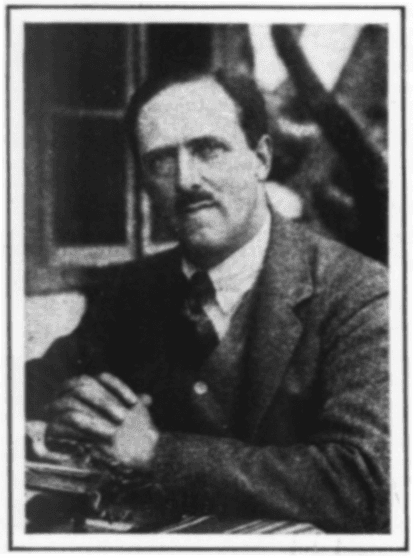
Francis Brett Young
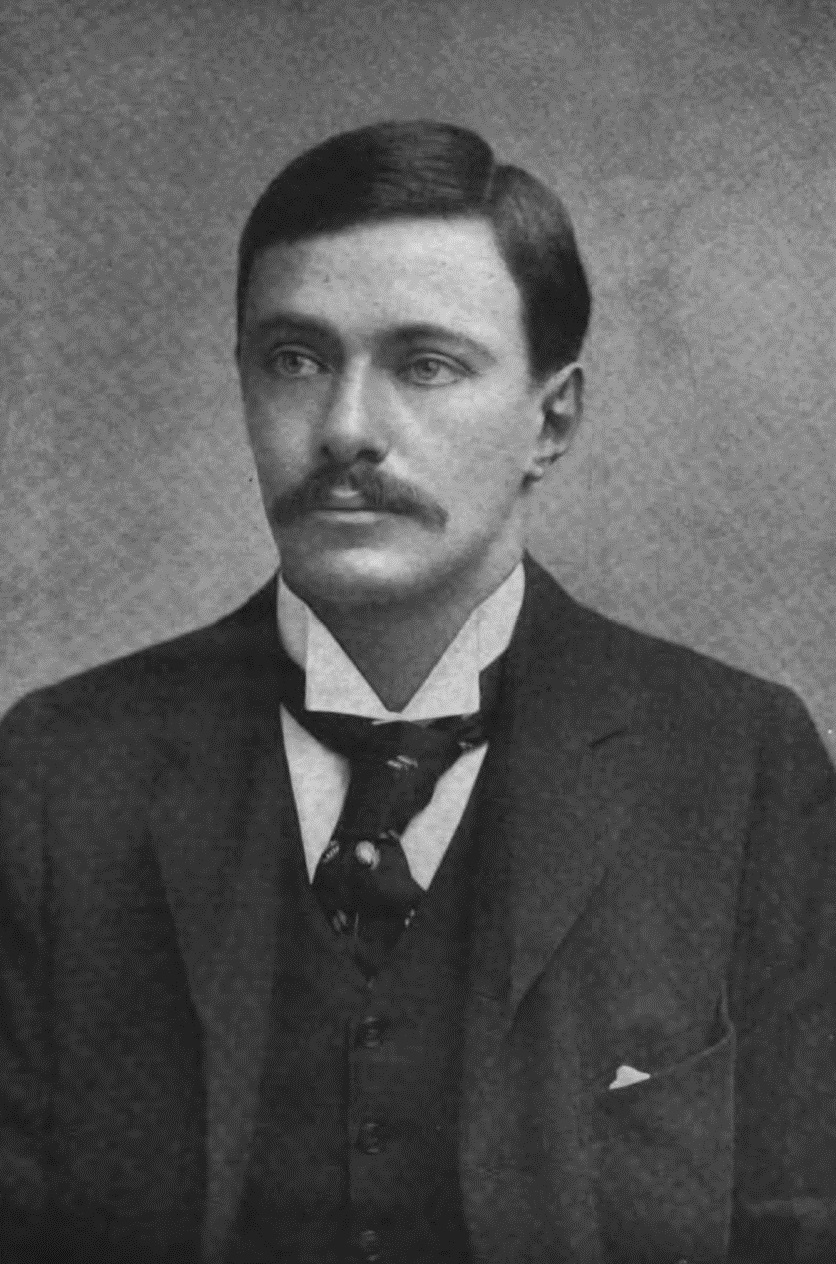
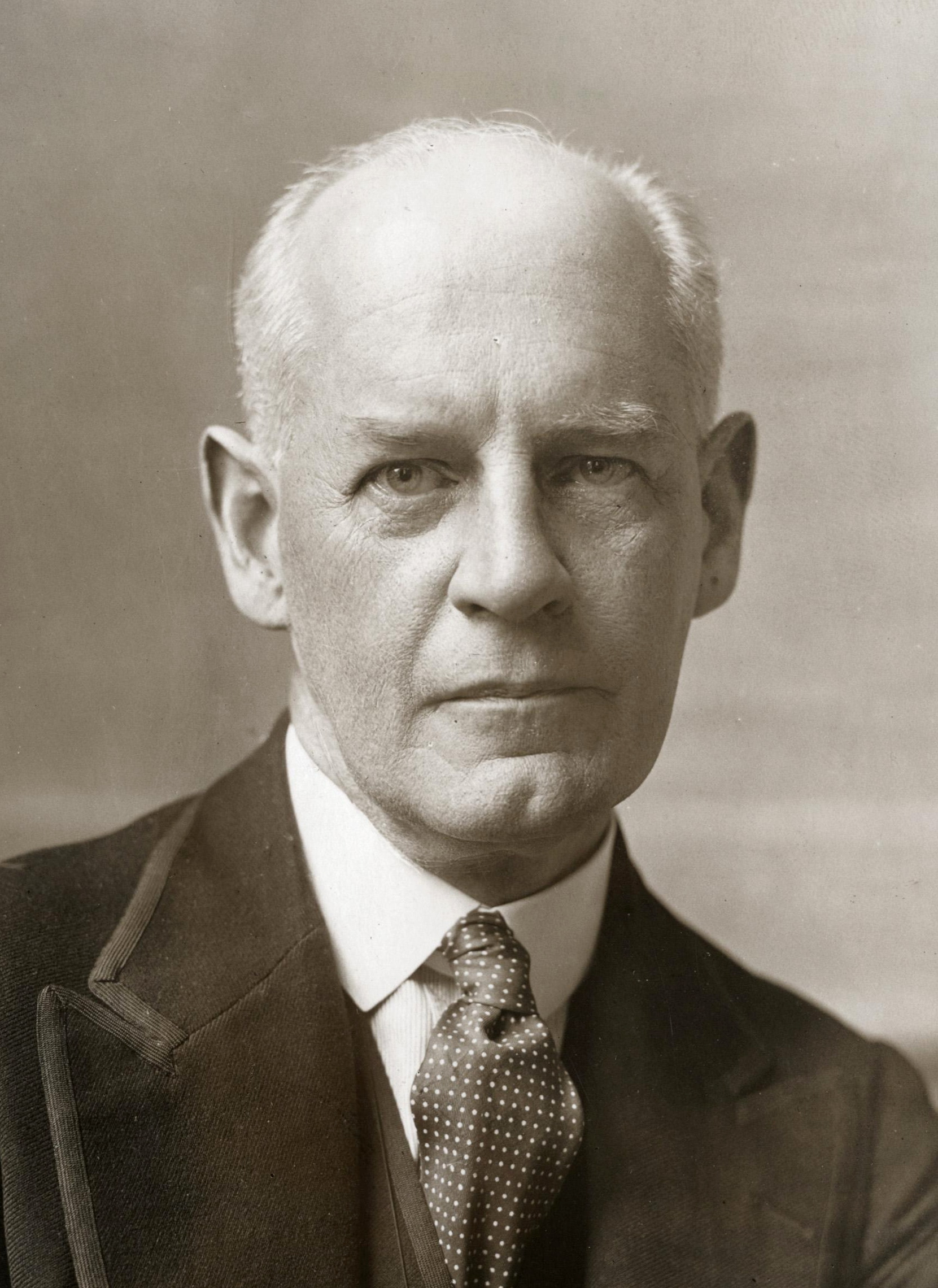
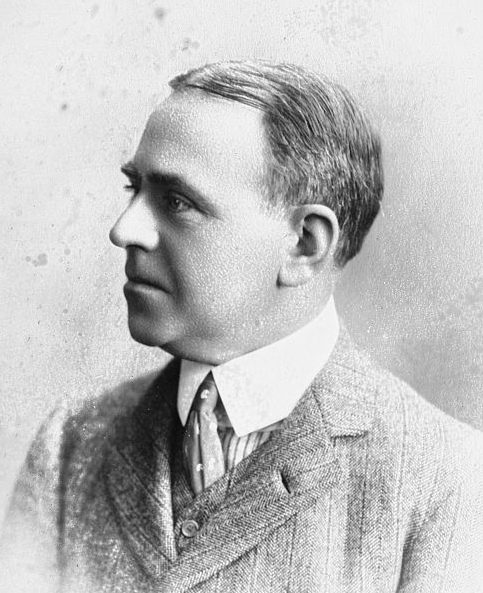
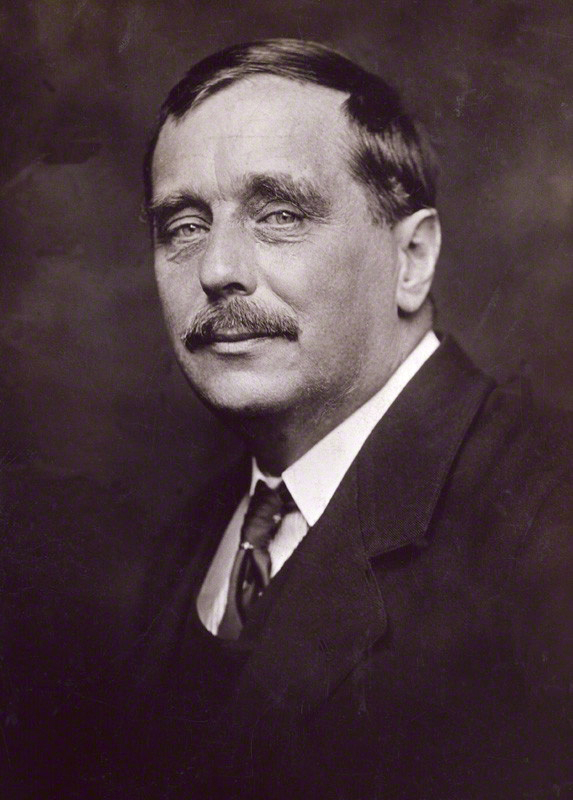
Francis Brett Young was an English novelist, poet, and playwright known for his diverse literary contributions and his exploration of human emotions. Born in 1884, he initially pursued a career in medicine, serving as a doctor during World War I, which profoundly influenced his writing. Young's experiences in the war and his medical background informed much of his literary work, allowing him to delve into themes of trauma, loss, and the complexities of human relationships. His notable works include 'The Cask,' a novel that examines the moral dilemmas faced by individuals, and 'The Last Chance,' which reflects on the fragility of life and the impact of war on society. Throughout his career, Young's writing was characterized by lyrical prose and a deep understanding of character psychology. He was also a prolific poet and wrote plays that showcased his versatility as a writer. Young's literary significance lies in his ability to capture the essence of the human experience, making him a prominent figure in early 20th-century English literature. His legacy endures through his exploration of themes that continue to resonate with readers, as well as his contributions to the genre of war literature, offering insights into the psychological effects of conflict.
Famous Quotes
View all 3 quotes“An autumn garden has a sadness when the sun is not shining...”
“The longer one lives, the more mysterious life seems.”
“Hic Jacet Arthurus Rex Quondam Rexque Futurus Arthur is gone…Tristram in Careol Sleeps, with a broken sword - and Yseult sleeps Beside him, where the Westering waters roll Over drowned Lyonesse to the outer deeps. Lancelot is fallen . . . The ardent helms that shone So knightly and the splintered lances rust In the anonymous mould of Avalon: Gawain and Gareth and Galahad - all are dust. Where do the vanes and towers of Camelot And tall Tintagel crumble? Where do those tragic Lovers and their bright eyed ladies rot? We cannot tell, for lost is Merlin's magic. And Guinevere - Call her not back again Lest she betray the loveliness time lent A name that blends the rapture and the pain Linked in the lonely nightingale's lament. Nor pry too deeply, lest you should discover The bower of Astolat a smokey hut Of mud and wattle - find the knightliest lover A braggart, and his lilymaid a slut. And all that coloured tale a tapestry Woven by poets. As the spider's skeins Are spun of its own substance, so have they Embroidered empty legend - What remains? This: That when Rome fell, like a writhen oak That age had sapped and cankered at the root, Resistant, from her topmost bough there broke The miracle of one unwithering shoot. Which was the spirit of Britain - that certain men Uncouth, untutored, of our island brood Loved freedom better than their lives; and when The tempest crashed around them, rose and stood And charged into the storm's black heart, with sword Lifted, or lance in rest, and rode there, helmed With a strange majesty that the heathen horde Remembered when all were overwhelmed; And made of them a legend, to their chief, Arthur, Ambrosius - no man knows his name - Granting a gallantry beyond belief, And to his knights imperishable fame. They were so few . . . We know not in what manner Or where they fell - whether they went Riding into the dark under Christ's banner Or died beneath the blood-red dragon of Gwent. But this we know; that when the Saxon rout Swept over them, the sun no longer shone On Britain, and the last lights flickered out; And men in darkness muttered: Arthur is gone…”
Books from the author

Link to this page
Add a free, dofollow link to Lex on your blog, forum, syllabus, or reading list.

<a href="https://lex-books.com/author/francis-brett-young"><img src="https://lex-books.com/badges/read-on-lex.svg" alt="Francis Brett Young on Lex" width="160" height="40"></a>[](https://lex-books.com/author/francis-brett-young)[url=https://lex-books.com/author/francis-brett-young][img]https://lex-books.com/badges/read-on-lex.svg[/img][/url]Francis Brett Young on Lex: https://lex-books.com/author/francis-brett-young