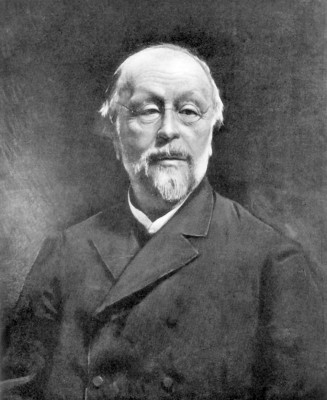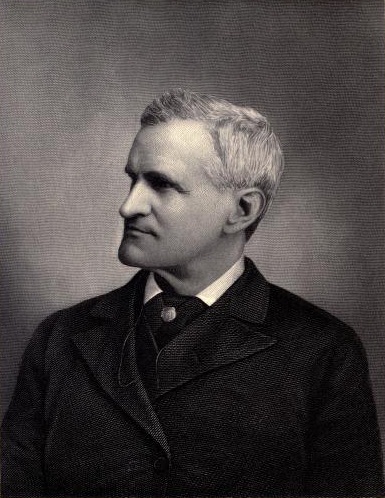
Ferdinando Martini
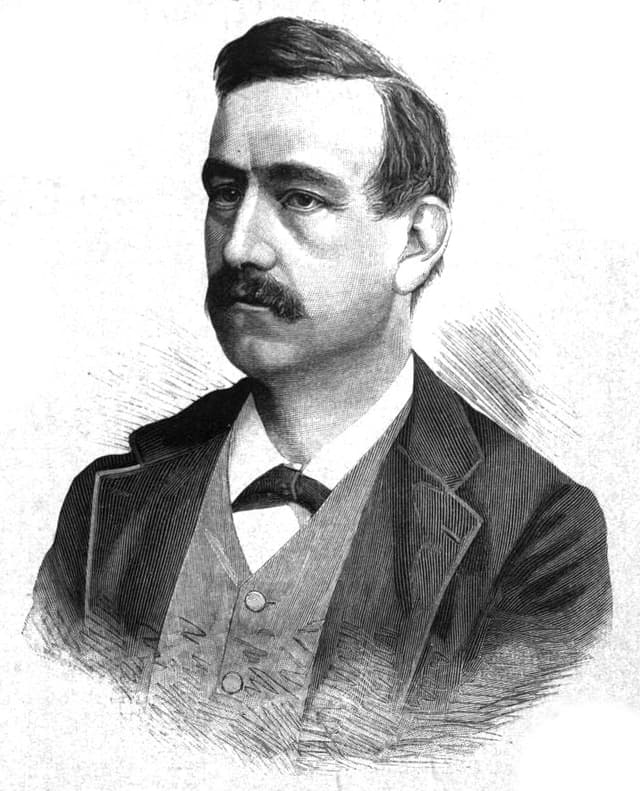
Ferdinando Martini was an Italian writer and politician known for his significant contributions to literature and governance during the late 19th and early 20th centuries. Born in Italy, he became a prominent figure in the political landscape, serving as the governor of Italian Eritrea from 1897 to 1907. His tenure was marked by efforts to develop the region and address various social issues, reflecting his commitment to both governance and cultural exchange. Martini was also a member of the Chamber of Deputies, where he engaged in legislative activities that shaped Italian policy during a transformative period in the country's history. In addition to his political career, Martini made his mark as a writer, producing works that explored themes of identity, colonialism, and the complexities of human experience. His literary contributions are notable for their insight into the socio-political dynamics of his time, particularly regarding Italy's colonial ambitions in Africa. Martini's dual legacy as both a politician and an author underscores the interconnectedness of literature and governance, highlighting how narratives can influence and reflect societal change. His works continue to be studied for their historical significance and their exploration of the human condition in the context of colonialism.
Books from the author