Brief Reflections Relative to the Emigrant French Clergy
1793
Brief Reflections Relative to the Emigrant French Clergy
1793
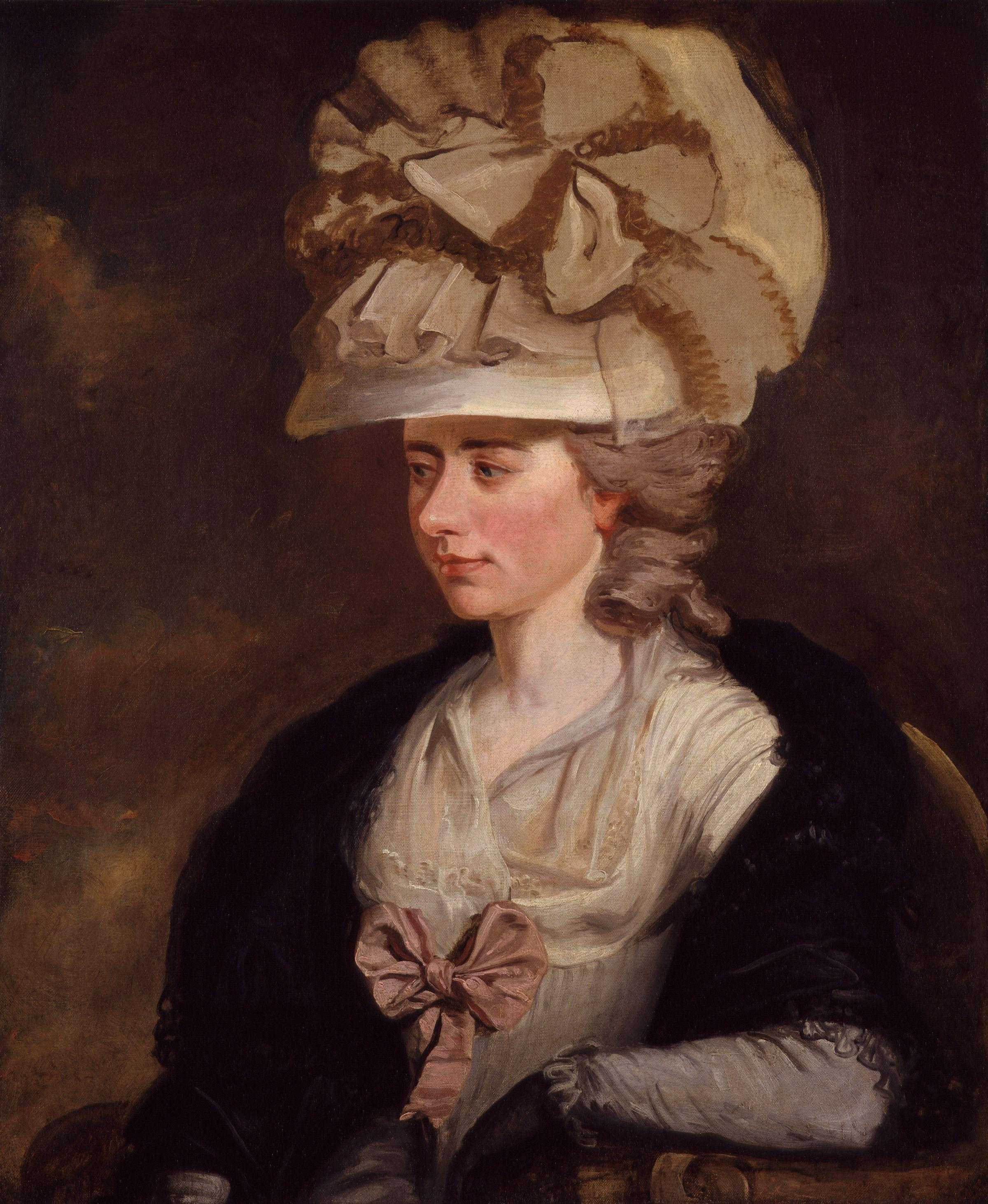
In the autumn of 1793, Fanny Burney issued an urgent appeal to the women of Great Britain. The French Revolution had sent hundreds of clergymen fleeing across the Channel, men of learning and faith, now destitute, their churches shuttered, their nation turned against them. Burney writes with fierce compassion: these are not criminals, but victims. Their virtue is their undoing. This slim but powerful work reads less like a treatise than a plea from one human being to another. Burney's rhetoric is sharp, her moral argument relentless. She does not merely ask for charity, she demands it, painting vivid portraits of learned men reduced to begging, of dignity shattered by necessity. The text also marks an early act of public political engagement by a woman writer, calling her female readers to collective action and moral responsibility. Though the prose carries the sentimental conventions of its age, its urgency feels contemporary, and its core question, how a society treats those it has displaced, still resonates.
Editions
Link to this book
Add a free, dofollow link to Lex on your blog, forum, syllabus, or reading list.

<a href="https://lex-books.com/book/brief-reflections-relative-to-the-emigrant-french-clergy-2d4f3445-6e2c-4c27-a5a4-1485985e020c"><img src="https://lex-books.com/badges/read-on-lex.svg" alt="Read Brief Reflections Relative to the Emigrant French Clergy by Fanny Burney free on Lex" width="160" height="40"></a>[](https://lex-books.com/book/brief-reflections-relative-to-the-emigrant-french-clergy-2d4f3445-6e2c-4c27-a5a4-1485985e020c)[url=https://lex-books.com/book/brief-reflections-relative-to-the-emigrant-french-clergy-2d4f3445-6e2c-4c27-a5a4-1485985e020c][img]https://lex-books.com/badges/read-on-lex.svg[/img][/url]Read Brief Reflections Relative to the Emigrant French Clergy by Fanny Burney free on Lex: https://lex-books.com/book/brief-reflections-relative-to-the-emigrant-french-clergy-2d4f3445-6e2c-4c27-a5a4-1485985e020cCite this book
Reading this edition for a paper or guide? Copy a citation.
Burney, Fanny. Brief Reflections Relative to the Emigrant French Clergy. Lex, lex-books.com/book/brief-reflections-relative-to-the-emigrant-french-clergy-2d4f3445-6e2c-4c27-a5a4-1485985e020c.Burney, F. (1793). Brief Reflections Relative to the Emigrant French Clergy. Lex. https://lex-books.com/book/brief-reflections-relative-to-the-emigrant-french-clergy-2d4f3445-6e2c-4c27-a5a4-1485985e020cBurney, Fanny. Brief Reflections Relative to the Emigrant French Clergy. Lex. https://lex-books.com/book/brief-reflections-relative-to-the-emigrant-french-clergy-2d4f3445-6e2c-4c27-a5a4-1485985e020c.