Lex

Browse

GenresShelvesPremiumBlog

Company

AboutJobsPartnersSell on LexAffiliates

Audio

Lex StudioVoicesFirst chapter freeAudiobook pricingAudiobook samplesAudiobook guidesAudio blog

Resources

DocsInvite FriendsFAQ

Legal

Terms of ServicePrivacy Policygeneral@lex-books.com+1 951-551-2243WhatsApp (international)

© 2026 LexBooks, Inc. All rights reserved.

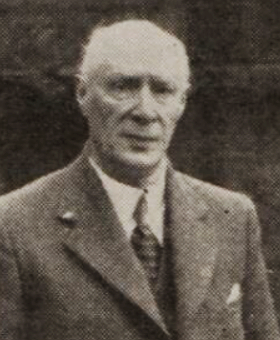
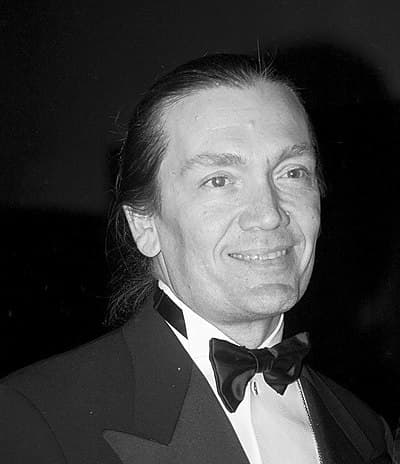
F. G. Smith

F. G. Smith

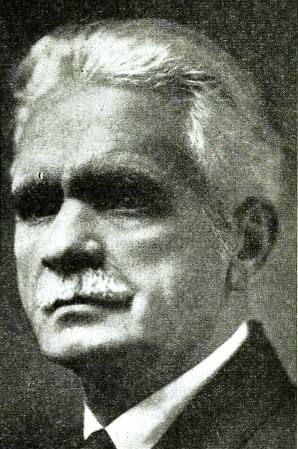
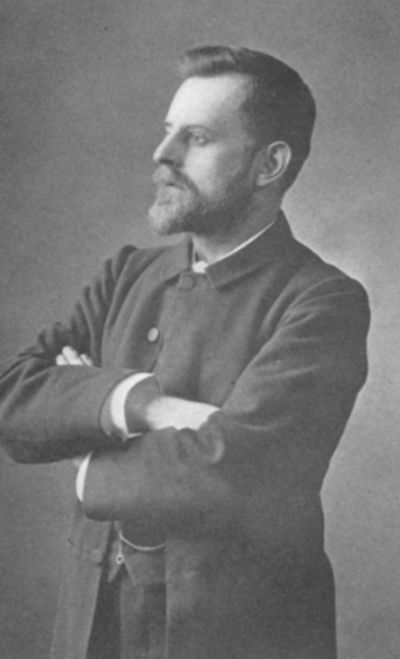
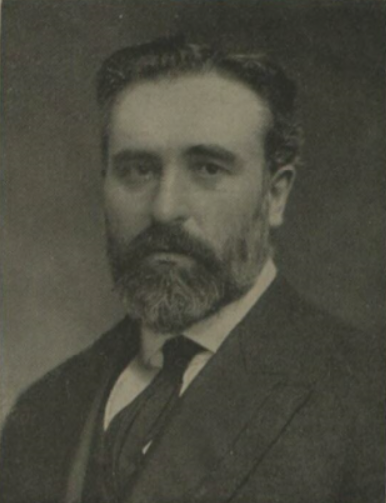
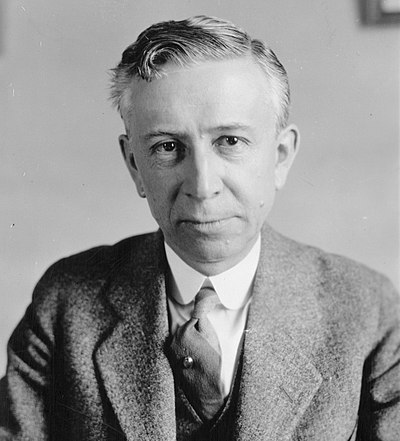
Fredrick George Smith was a British mechanical engineer. He was born in Newcastle upon Tyne in 1872 and died in 1956. He was appointed manager of the Highland Railway's Lochgorm Works in 1903, and promoted to Assistant to the Chief Mechanical Engineer, Peter Drummond in 1903.

Wikipedia

Fredrick George Smith was a British mechanical engineer. He was born in Newcastle upon Tyne in 1872 and died in 1956. He...

Famous Quotes

View all 2 quotes

“What is more precious: a thousand answers derived from one question? Or, one answer…from a thousand questions?””

“...in the tonic chord of G-major there is a significant level of clash between the wave profiles of the notes, but the rate of overlap or synchronisation exceeds the rate of clash, so order succeeds in outweighing complexity. In this one chord is played out the archetypal battle between order and anarchy. What matters is that there is a significant rate of conflict between consonance and dissonance. Harmony incorporates dissonance but synchrony outweighs conflict . This idea goes back at least as far as the medieval scholar Boethius who defined consonance or harmony as ‘a unified concordance of sounds dissimilar in themselves’.””

The Dynamics of Delight

Books from the author

right arrow

TheRevelationExplained:An...

F. G. Smith

The LastReformation

1919

F. G. Smith

More authors like this

right arrow
Joseph Fielding Smith
1876-1972
Albert Schweitzer
Albert Schweitzer
1875-1965
James E. Talmage
James E. Talmage
1862-1933
M. M. Mangasarian
M. M. Mangasarian
1859-1943
B. H. Roberts
B. H. Roberts
1857-1933
George Adam Smith
George Adam Smith
1856-1942
J. M. Robertson
J. M. Robertson
1856-1933
Nikolaj Velimirović
Nikolaj Velimirović
1880-1956
Fay-Cooper Cole
Fay-Cooper Cole
1881-1961
Ethel Calvert Phillips
1882-1947
Evelyn Underhill
Evelyn Underhill
1875-1941
Pekka Ervast
Pekka Ervast
1875-1934
Percy MacKaye
Percy MacKaye
1875-1956
Lewis Spence
Lewis Spence
1874-1955
Cale Young Rice
Cale Young Rice
1872-1943
Elliott O'Donnell
1872-1965

Link to this page

Add a free, dofollow link to Lex on your blog, forum, syllabus, or reading list.

F. G. Smith on Lex
HTML
<a href="https://lex-books.com/author/f-g-smith"><img src="https://lex-books.com/badges/read-on-lex.svg" alt="F. G. Smith on Lex" width="160" height="40"></a>
Markdown
[![F. G. Smith on Lex](https://lex-books.com/badges/read-on-lex.svg)](https://lex-books.com/author/f-g-smith)
BBCode
[url=https://lex-books.com/author/f-g-smith][img]https://lex-books.com/badges/read-on-lex.svg[/img][/url]
Plain link
F. G. Smith on Lex: https://lex-books.com/author/f-g-smith