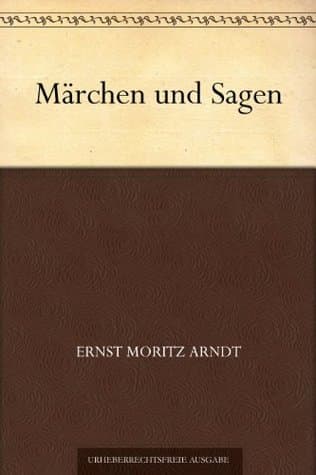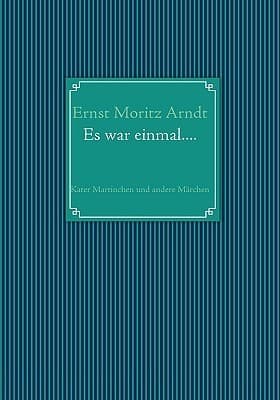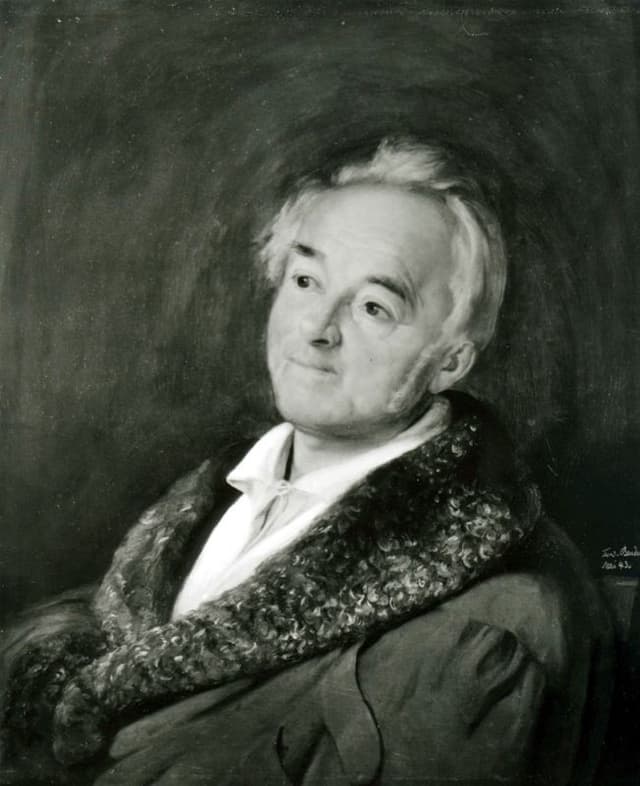
Ernst Moritz Arndt
Ernst Moritz Arndt was a pivotal figure in the development of German nationalism during the late 18th and early 19th centuries. Born in 1769, he initially championed the abolition of serfdom, but his fervent opposition to Napoleonic rule marked a significant turn in his life. His anti-French sentiments led him to seek refuge in Sweden, where he continued to advocate for German unity and independence. Arndt's literary contributions, particularly his poem "Was ist des Deutschen Vaterland?", became emblematic of the nationalist movement, serving as an unofficial anthem that resonated with the aspirations of a unified Germany. Despite his contributions to the nationalist cause, Arndt's legacy is complex and controversial. Following the Carlsbad Decrees, he was labeled a demagogue by the forces of restoration, yet he remained influential within the Burschenschaft movement, which sought to promote liberal ideals alongside national unity. His writings, while instrumental in shaping German identity, also contained elements of antisemitism and anti-Polish sentiment, which have led to a reevaluation of his impact in contemporary discourse. Arndt's work continues to evoke debate, reflecting the duality of his role as both a nationalist hero and a figure of contentious views in German history.
Famous Quotes
View all 1 quotes“Leid frißt das Herz und auch den Mut.”
Books from the author