
Elizabeth Bisland
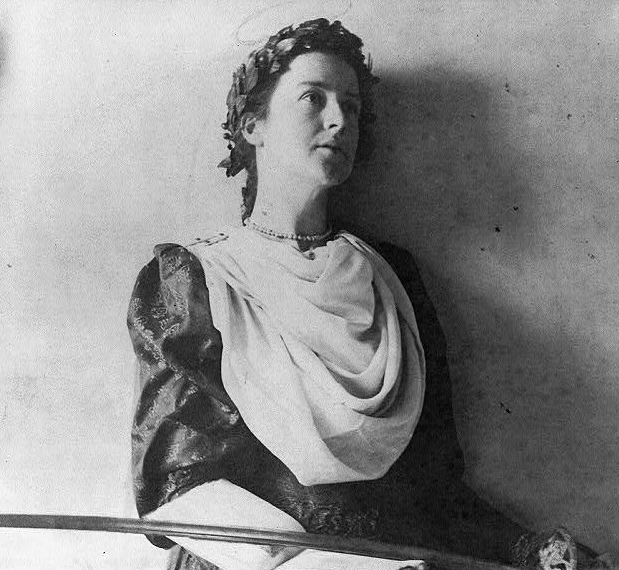
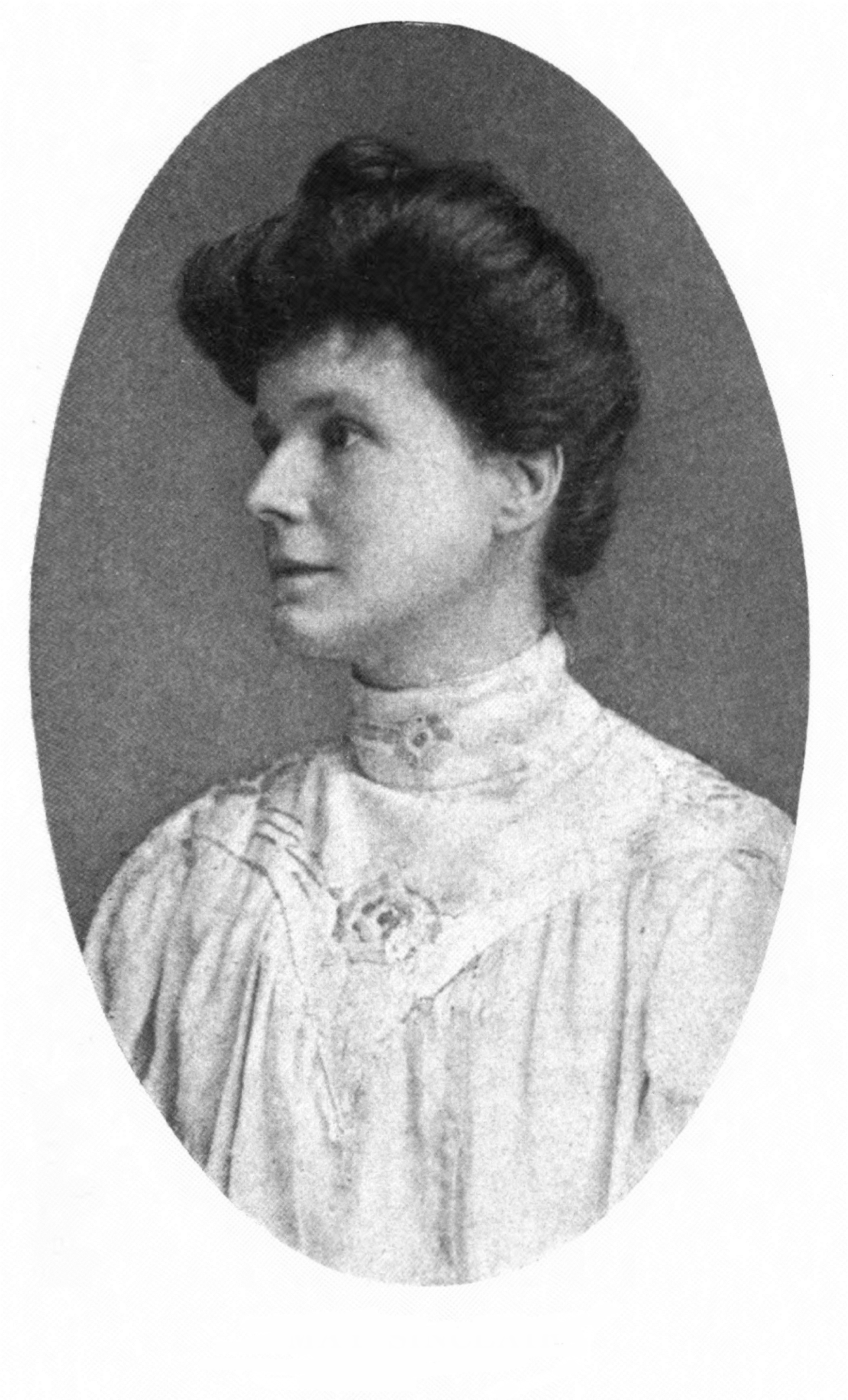
Elizabeth Bisland was an American journalist and author, renowned for her adventurous spirit and literary contributions in the late 19th and early 20th centuries. She gained significant public attention for her race around the world against fellow journalist Nellie Bly, which took place from 1889 to 1890. This remarkable journey not only showcased her determination and resourcefulness but also highlighted the growing interest in women's capabilities in a male-dominated society. Bisland's writings, published under her own name, primarily consisted of literary works that reflected her keen observations and insights into contemporary culture and society. Throughout her career, Bisland contributed to various magazines and newspapers, where she wrote essays, reviews, and articles that often focused on literature and the arts. Her literary significance lies in her role as a pioneering female journalist who broke barriers in a field largely occupied by men. Bisland's legacy endures through her contributions to journalism and her adventurous spirit, inspiring future generations of women to pursue their ambitions in both writing and exploration.
Famous Quotes
View all 1 quotes“So that all the flesh would drop from the long frame, the muscles dry and fall apart, the eyes be sightless, and the brain dark; and the little busy insects of the earth would carry away the fragments bit by bit, and on the field where he lay would be found at last only the hollow skull once so full of proud purpose; only the slack white bones of the arm that had wielded the strong sword, the vast arch of the gaunt ribs that once had sheltered the brave heart of Syracuse. And among these dry bones little curious creatures would come to peep and peer and build their homes; spiders spinning webs over the empty eye sockets, mice weaving their nests among the wideflung knuckles …”
Books from the author




Link to this page
Add a free, dofollow link to Lex on your blog, forum, syllabus, or reading list.

<a href="https://lex-books.com/author/elizabeth-bisland"><img src="https://lex-books.com/badges/read-on-lex.svg" alt="Elizabeth Bisland on Lex" width="160" height="40"></a>[](https://lex-books.com/author/elizabeth-bisland)[url=https://lex-books.com/author/elizabeth-bisland][img]https://lex-books.com/badges/read-on-lex.svg[/img][/url]Elizabeth Bisland on Lex: https://lex-books.com/author/elizabeth-bisland