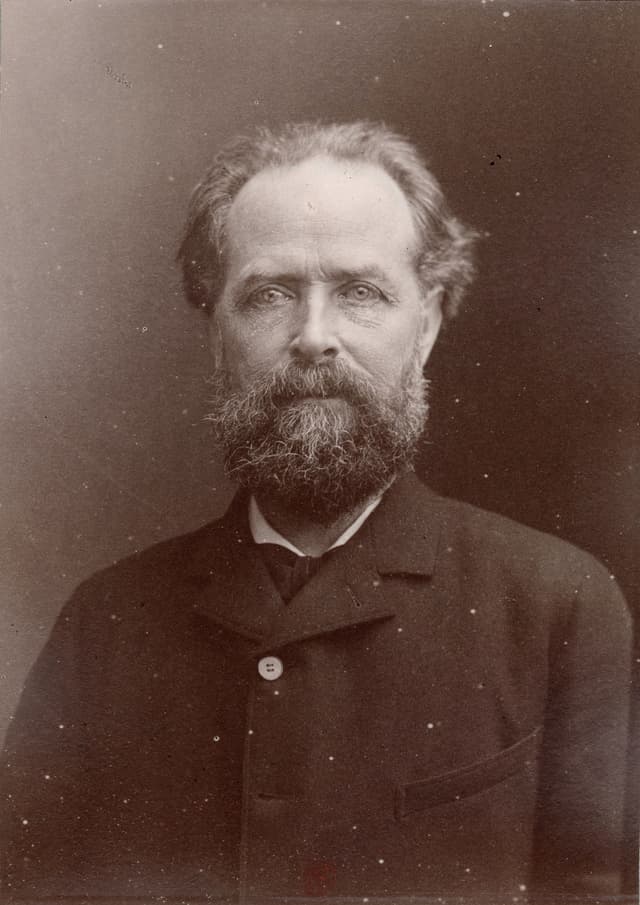
Elisée Reclus
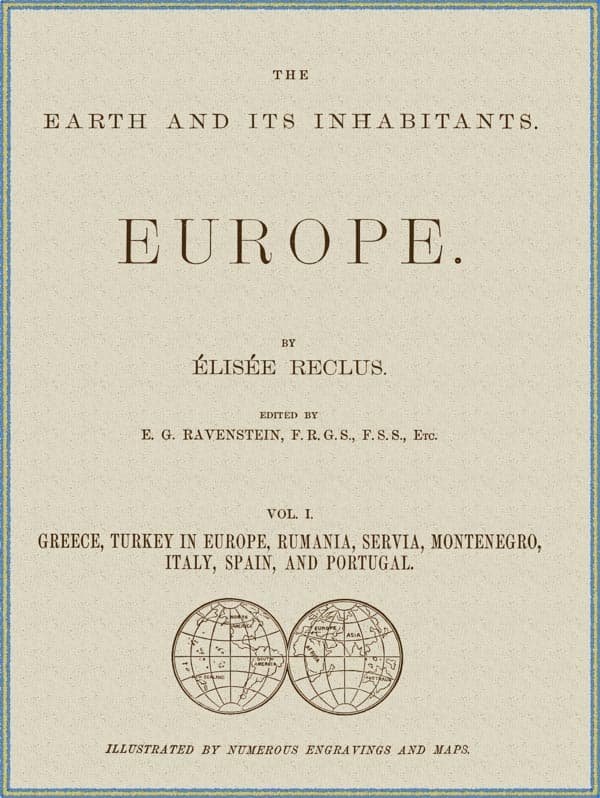
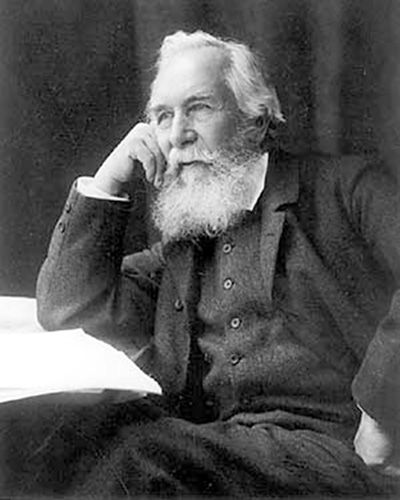
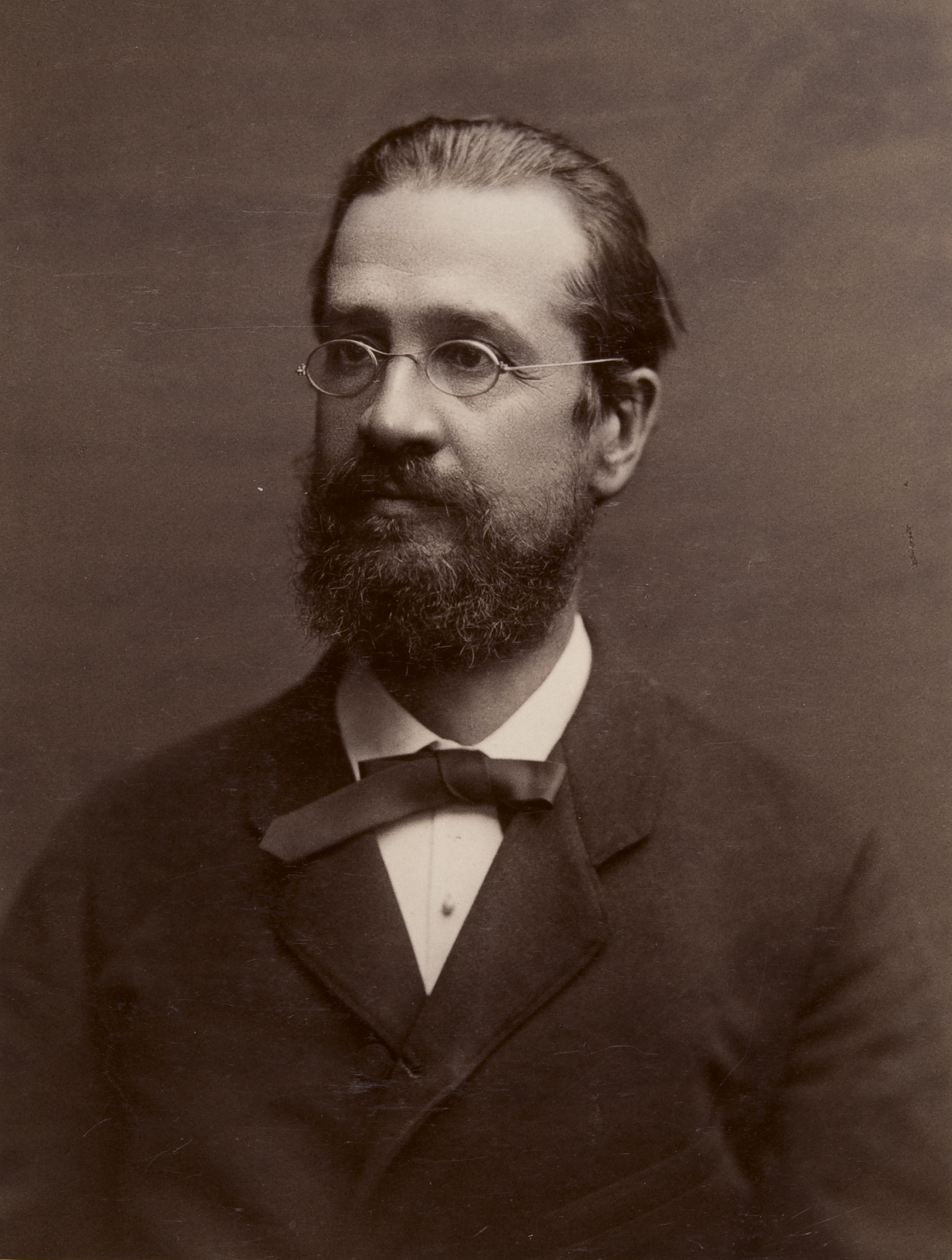
Elisée Reclus was a French geographer, anarchist, and writer whose work spanned the fields of geography, sociology, and political theory. Born in a family of Protestant pastors, he developed a keen interest in nature and society from an early age. Reclus is best known for his monumental work, 'La Nouvelle Géographie Universelle,' which offered a comprehensive view of the world's geography, culture, and inhabitants. This ambitious project not only provided detailed descriptions of various regions, including Southern Europe, but also emphasized the interconnectedness of human societies and the natural environment. His writings, such as 'The Earth and Its Inhabitants,' reflect his belief in the importance of geography in understanding social dynamics and human history. In addition to his geographical works, Reclus was a passionate advocate for anarchism, which he articulated in 'L'anarchie.' He argued for a society organized around voluntary cooperation rather than coercion, drawing from his extensive knowledge of human societies. His political views were shaped by his experiences during the Paris Commune and his subsequent exile, which deepened his commitment to social justice and environmentalism. Reclus's legacy endures in the fields of geography and anarchist thought, influencing generations of scholars and activists who continue to explore the relationship between humanity and the earth.
Famous Quotes
View all 5 quotes“Rumford said a long time ago that “one always finds in nature more than one is looking for.”4 Whether the scholar examines clouds or stones, plants or insects, or whether he goes further and studies the general laws of the world, he continually discovers unexpected wonders everywhere. The””
“every people gives, so to speak, new clothing to the surrounding nature. By means of its fields and roads, by its dwellings and every manner of construction, by the way it arranges the trees and the landscape in general, the populace expresses the character of its own ideals. If it really has a feeling for beauty, it will make nature more beautiful. If, on the other hand, the great mass of humanity should remain as it is today, crude, egoistic and inauthentic, it will continue to mark the face of the earth with its wretched traces. Thus will the poet’s cry of desperation become a reality: “Where can I flee? Nature itself has become hideous.”49””
“If “doubt is the pillow of the wise,” then blissful faith is the pillow of the simpleminded. Once””
Books from the author


Link to this page
Add a free, dofollow link to Lex on your blog, forum, syllabus, or reading list.

<a href="https://lex-books.com/author/elisée-reclus"><img src="https://lex-books.com/badges/read-on-lex.svg" alt="Elisée Reclus on Lex" width="160" height="40"></a>[](https://lex-books.com/author/elisée-reclus)[url=https://lex-books.com/author/elisée-reclus][img]https://lex-books.com/badges/read-on-lex.svg[/img][/url]Elisée Reclus on Lex: https://lex-books.com/author/elisée-reclus