What would you like to read?Search books, authors, genres, shelves, users...
Search books, authors, genres, shelves, users...Search books, authors, genres, shelves, users...

What would you like to read?Search books, authors, genres, shelves, users...
Search books, authors, genres, shelves, users...Search books, authors, genres, shelves, users...
2 books
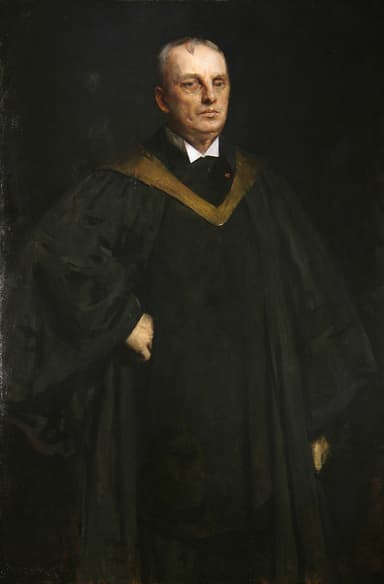
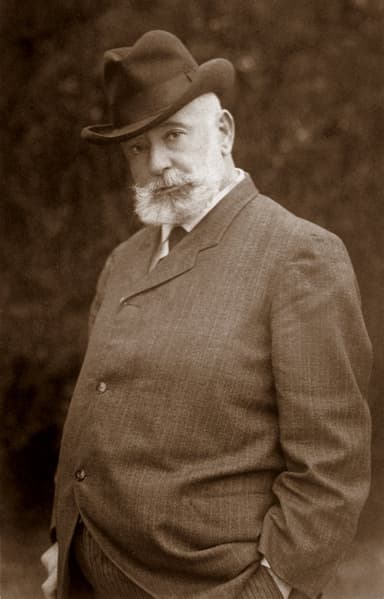
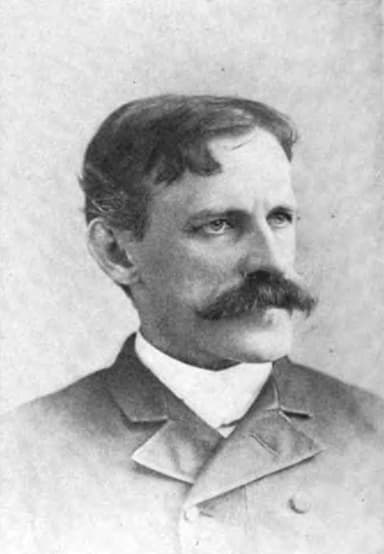
Elihu Root (/ˈɛlɪhjuː ˈruːt/; February 15, 1845 – February 7, 1937) was an American lawyer, Republican politician, and statesman who served as the 41st United States Secretary of War under presidents William McKinley and Theodore Roosevelt and the 38th United States Secretary of State also under Roosevelt. In both positions as well as a long legal career, he pioneered the American practice of international law. Root is sometimes considered the prototype of the 20th-century political "wise man", advising presidents on a range of foreign and domestic issues. He also served as a United States Senator from New York and received the 1912 Nobel Peace Prize. Root was a leading New York City lawyer who moved frequently between high-level appointed government positions in Washington, D.C., and private-sector legal practice in New York. He headed organizations such as the Carnegie Endowment for International Peace and the American Society of International Law. As Secretary of War from 1899 to 1904, Root administered colonial possessions won in the Spanish–American War. Root favored a paternalistic approach to colonial administration, emphasizing technology, engineering, and disinterested public service. He helped craft the Foraker Act of 1900, the Platt Amendment of 1901, and the Philippine Organic Act (1902). Root also modernized the Army into a professional military apparatus with a general staff, restructured the National Guard, and established the U.S. Army War College.

There is only one alternative to having the courts decide upon the validity of legislative acts, and that is by requiring the courts to treat the opinion of the legislature upon the validity of its statutes, evidenced by their passage, as conclusive. But the effect of this would be that the legislature would not be limited at all except by its own will. All the provisions designed to maintain a government carried on by officers of limited powers, all the distinctions between what is permitted to the national government and what is permitted to the state governments, all the safeguards of the life, liberty and property of the citizen against arbitrary power, would cease to bind Congress, and on the same theory they would cease also to bind the legislatures of the states. Instead of the constitution being superior to the laws the laws would be superior to the constitution, and the essential principles of our government would disappear. More than one hundred years ago, Chief Justice Marshall, in the great case of Marbury vs. Madison, set forth the view upon which our government has ever since proceeded. He said: "The powers of the legislature are defined and limited; and that those limits may not be mistaken or forgotten, the constitution is written. To what purpose are powers limited, and to what purpose is that limit committed to writing, if these limits may, at any time, be passed by those intended to be restrained? The
About half the practice of a decent lawyer is telling would-be clients that they are damned fools and should shut up.
There is only one alternative to having the courts decide upon the validity of legislative acts, and that is by requiring the courts to treat the opinion of the legislature upon the validity of its statutes, evidenced by their passage, as conclusive. But the effect of this would be that the legislature would not be limited at all except by its own will. All the provisions designed to maintain a government carried on by officers of limited powers, all the distinctions between what is permitted to the national government and what is permitted to the state governments, all the safeguards of the life, liberty and property of the citizen against arbitrary power, would cease to bind Congress, and on the same theory they would cease also to bind the legislatures of the states. Instead of the constitution being superior to the laws the laws would be superior to the constitution, and the essential principles of our government would disappear. More than one hundred years ago, Chief Justice Marshall, in the great case of Marbury vs. Madison, set forth the view upon which our government has ever since proceeded. He said: "The powers of the legislature are defined and limited; and that those limits may not be mistaken or forgotten, the constitution is written. To what purpose are powers limited, and to what purpose is that limit committed to writing, if these limits may, at any time, be passed by those intended to be restrained? The