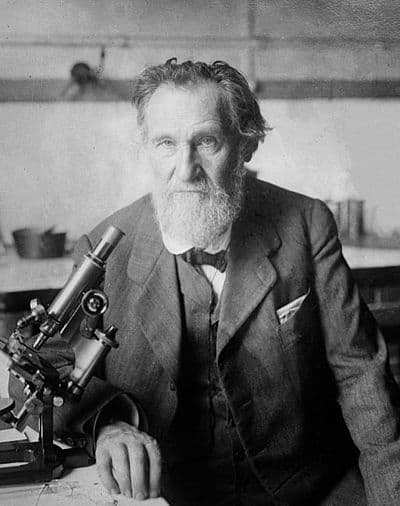
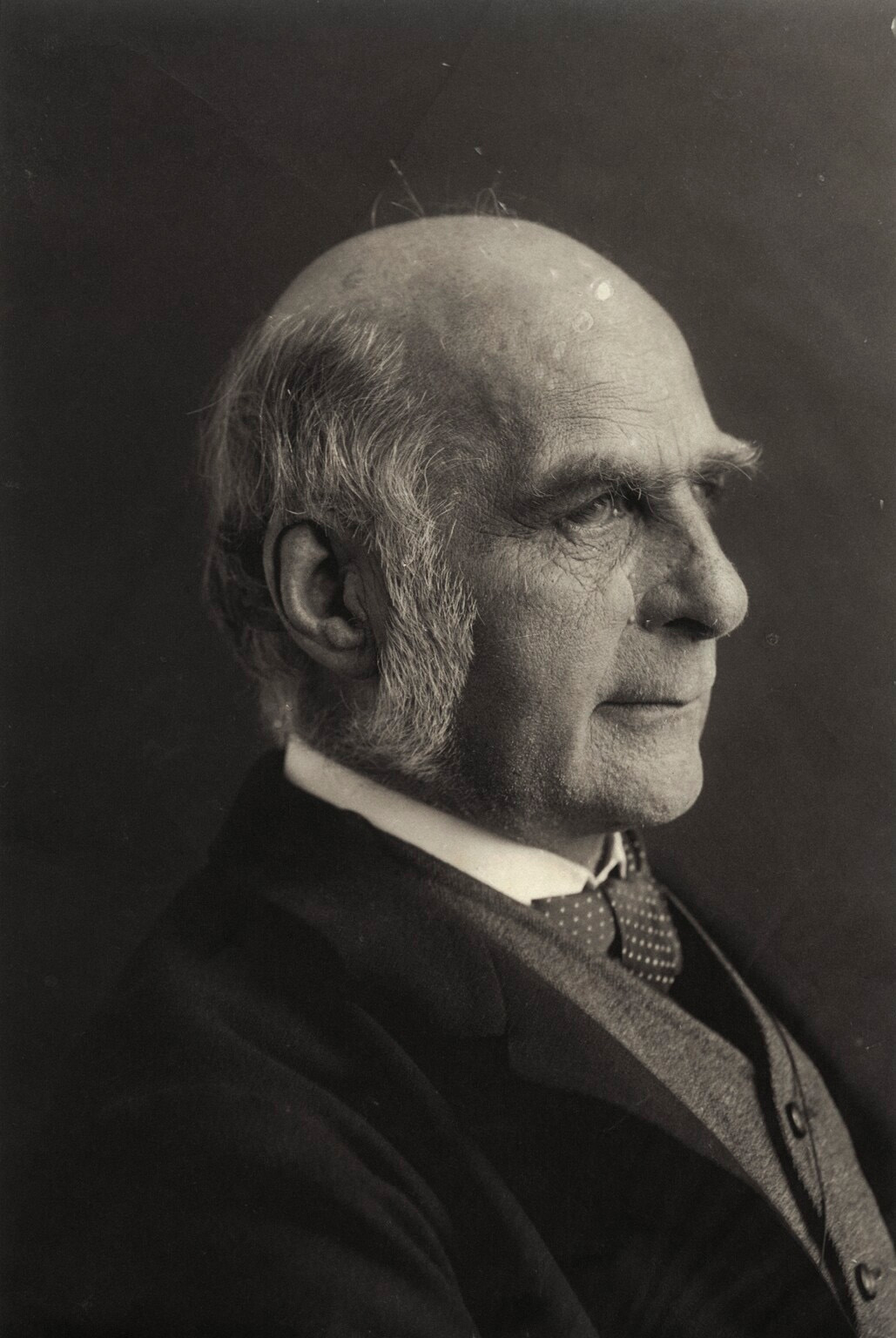
Elie Metchnikoff
Elie Metchnikoff was a pioneering zoologist whose groundbreaking research laid the foundations for modern immunology. Born in a region of the Russian Empire that is now part of Ukraine, he hailed from a noble Moldavian family and was influenced by a diverse cultural background. Metchnikoff's most significant contribution came in 1882 when he discovered phagocytosis, the process by which certain cells, known as phagocytes, engulf and digest pathogens. This discovery not only established the role of innate immunity in the immune response but also introduced the concept of cell-mediated immunity, which complemented Paul Ehrlich's work on humoral immunity. Together, their contributions earned them the Nobel Prize in Physiology or Medicine in 1908, marking a pivotal moment in the understanding of the immune system. Metchnikoff's work extended beyond immunology; he also delved into thanatology, exploring the biological aspects of aging and death. His research and theories significantly influenced the fields of biology and medicine, earning him recognition as the 'father of innate immunity.' Despite his complex heritage and personal beliefs, which included a departure from religious faith, Metchnikoff's legacy endures through his contributions to science, shaping the way we understand health and disease. His insights continue to resonate in contemporary research, underscoring the importance of immune responses in health and longevity.
Books from the author







Link to this page
Add a free, dofollow link to Lex on your blog, forum, syllabus, or reading list.

<a href="https://lex-books.com/author/elie-metchnikoff"><img src="https://lex-books.com/badges/read-on-lex.svg" alt="Elie Metchnikoff on Lex" width="160" height="40"></a>[](https://lex-books.com/author/elie-metchnikoff)[url=https://lex-books.com/author/elie-metchnikoff][img]https://lex-books.com/badges/read-on-lex.svg[/img][/url]Elie Metchnikoff on Lex: https://lex-books.com/author/elie-metchnikoff