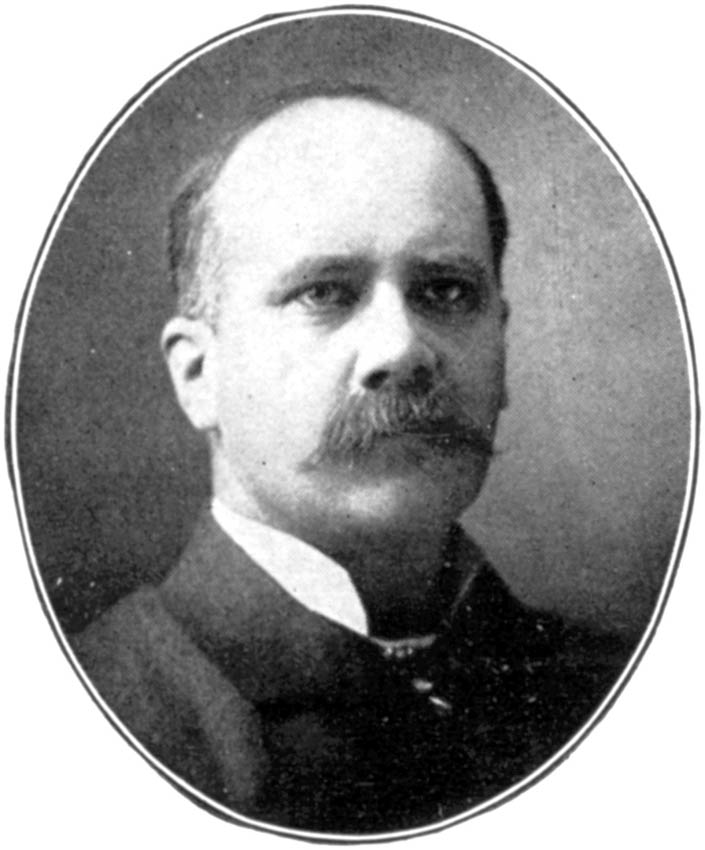
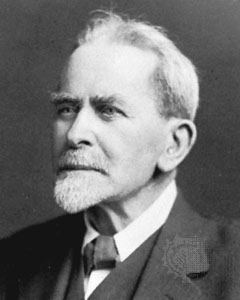
Edward Washburn Hopkins
Edward Washburn Hopkins was a prominent American Sanskrit scholar whose academic contributions significantly advanced the study of ancient Indian literature and languages. Born in Northampton, Massachusetts, he graduated from Columbia College in 1878 and furthered his studies in Leipzig, where he earned his Ph.D. in 1881. His teaching career began at Columbia, followed by a professorship at Bryn Mawr, before he joined Yale University in 1895 as a professor of Sanskrit and comparative philology. Throughout his career, Hopkins was deeply involved in the academic community, serving as secretary of the American Oriental Society and editing the Journal of the American Oriental Society, where he published numerous influential papers, particularly focusing on numerical and temporal categories in early Sanskrit literature. Hopkins's scholarly work laid the groundwork for future studies in Sanskrit and comparative philology, making him a pivotal figure in the field. His notable writings include significant analyses of ancient texts that explored the intricacies of language and culture in early India. His legacy continues to influence scholars and students of Sanskrit, as his research not only illuminated the complexities of the language but also fostered a greater understanding of its literary heritage and its impact on the broader scope of linguistics and philology.