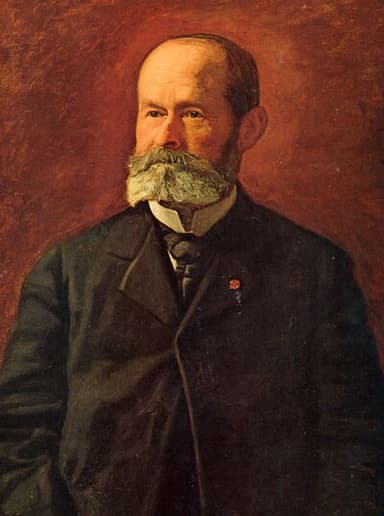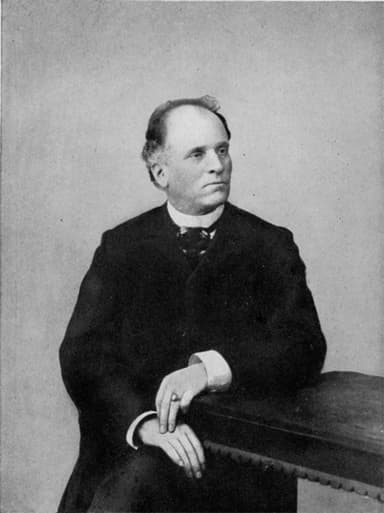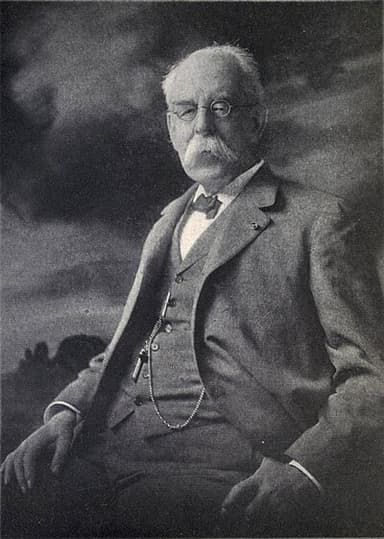
Edward Sylvester Morse
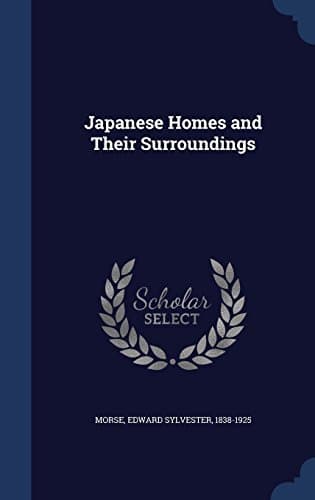
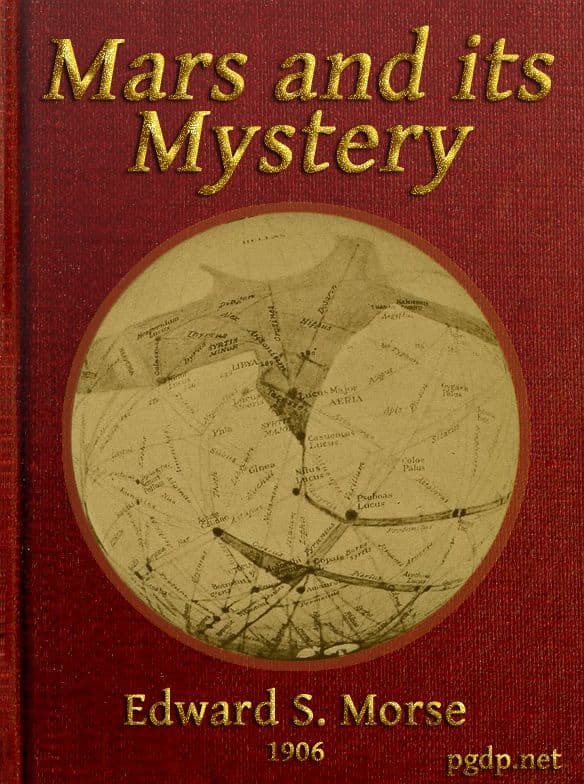
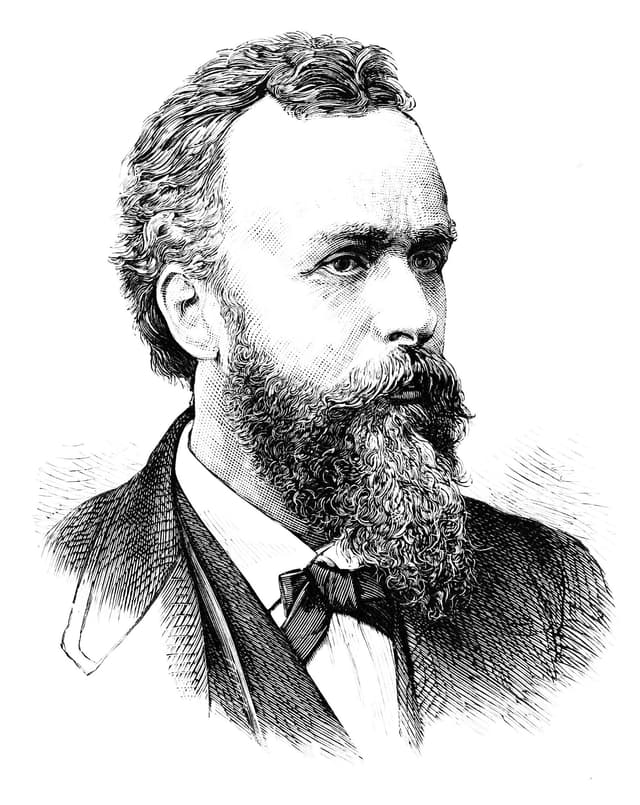
Edward Sylvester Morse was an influential American zoologist, archaeologist, and orientalist, renowned for his pioneering contributions to the field of Japanese archaeology. Born in 1838, he embarked on a career that would intertwine the natural sciences with the study of ancient cultures. Morse's most notable work included his excavations in Japan, where he meticulously studied the Jomon period, providing critical insights into the prehistoric inhabitants of the region. His research not only advanced the understanding of Japanese history but also established methodologies that would shape archaeological practices in Japan and beyond. Morse's legacy as the 'Father of Japanese archaeology' is underscored by his commitment to integrating scientific inquiry with cultural exploration. His writings and findings, particularly in works such as 'Japanese Homes and Their Surroundings,' highlighted the intricate relationship between the environment and human habitation, influencing both academic and public perceptions of Japan's cultural heritage. Through his extensive travels and scholarly pursuits, Morse fostered a greater appreciation for Japanese art and history in the Western world, leaving an indelible mark on the fields of archaeology and oriental studies.
Books from the author