
James Stevenson
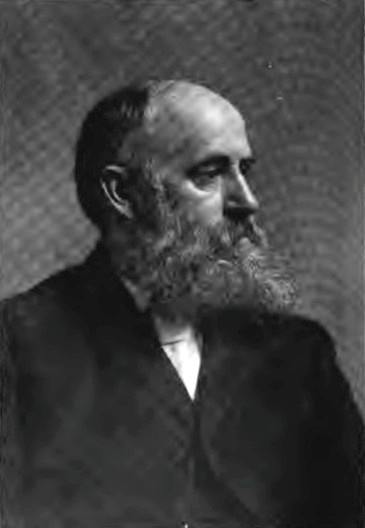
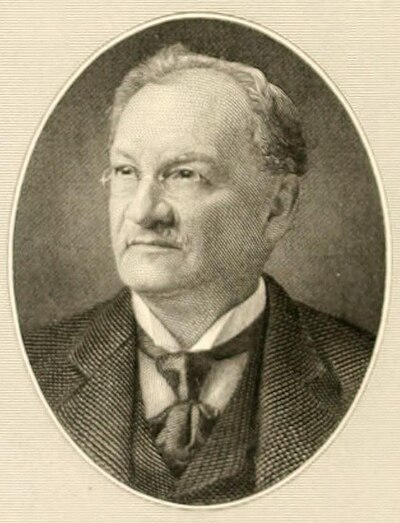
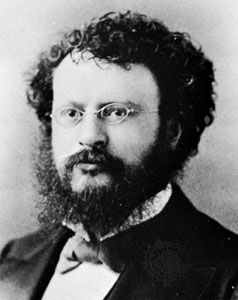
James Stevenson was an American ethnologist and illustrator, known for his significant contributions to the study of Native American cultures, particularly those of the Navajo and Pueblo peoples. Born in 1840, he dedicated much of his career to documenting and illustrating the customs, artifacts, and languages of various Indigenous groups in the southwestern United States. His works, such as 'Ceremonial of Hasjelti Dailjis and Mythical Sand Painting of the Navajo Indians,' reflect a deep respect for the traditions and spiritual practices of the Native American communities he studied, providing invaluable insights into their cultural heritage. Stevenson's role as an ethnologist was further solidified through his detailed reports for the Bureau of Ethnology, where he produced illustrated catalogues that meticulously documented collections obtained from the Indians of New Mexico and Arizona. His publications, including the 'Illustrated Catalogue of the Collections Obtained from the Indians of New Mexico in 1880' and the 'Illustrated Catalogue of the Collections Obtained from the Pueblos of Zuñi, New Mexico, and Wolpi, Arizona, in 1881,' served as essential resources for both scholars and the general public, enhancing the understanding of Indigenous cultures during a time of significant change and challenge for these communities. Stevenson's legacy lies in his commitment to preserving the rich tapestry of Native American life through his art and scholarship. His work not only documented the past but also contributed to the broader field of anthropology, influencing future generations of researchers and advocates for Indigenous rights. He passed away in 1888, leaving behind a body of work that continues to be referenced in studies of Native American history and culture.
Famous Quotes
View all 13 quotes“Alexander Smollett, master; David Livesey, ship's doctor; Abraham Gray, carpenter's mate; John Trelawney, owner; John Hunter and Richard Joyce, owner's servants, landsmen--being all that is left faithful of the ship's company--with stores for ten days at short rations, came ashore this day and flew British colours on the log-house in Treasure Island. Thomas Redruth, owner's servant, landsman, shot by the mutineers; James Hawkins, cabin boy--'And at the same time, I was wondering over poor Jim Hawkins' fate.””
“Could be worse!””
“Mrs. Marvell's mind had atrophied to a certain extent; it was subsidiary to her body. Her body was her chief asset, and was therefore her chief care. She cultivated her body assiduously; she massaged it, exercised it, dieted it, manicured it, and anointed it with various oils and lotions. She was fully aware that, when her body was no longer beautiful, James would insist (with perfect right) upon having a model in the house”
Books from the author

Link to this page
Add a free, dofollow link to Lex on your blog, forum, syllabus, or reading list.

<a href="https://lex-books.com/author/james-stevenson"><img src="https://lex-books.com/badges/read-on-lex.svg" alt="James Stevenson on Lex" width="160" height="40"></a>[](https://lex-books.com/author/james-stevenson)[url=https://lex-books.com/author/james-stevenson][img]https://lex-books.com/badges/read-on-lex.svg[/img][/url]James Stevenson on Lex: https://lex-books.com/author/james-stevenson