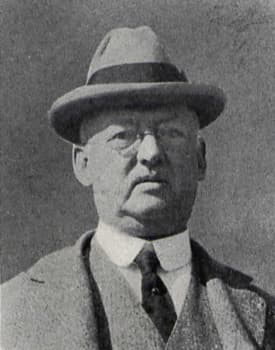
Edward Channing
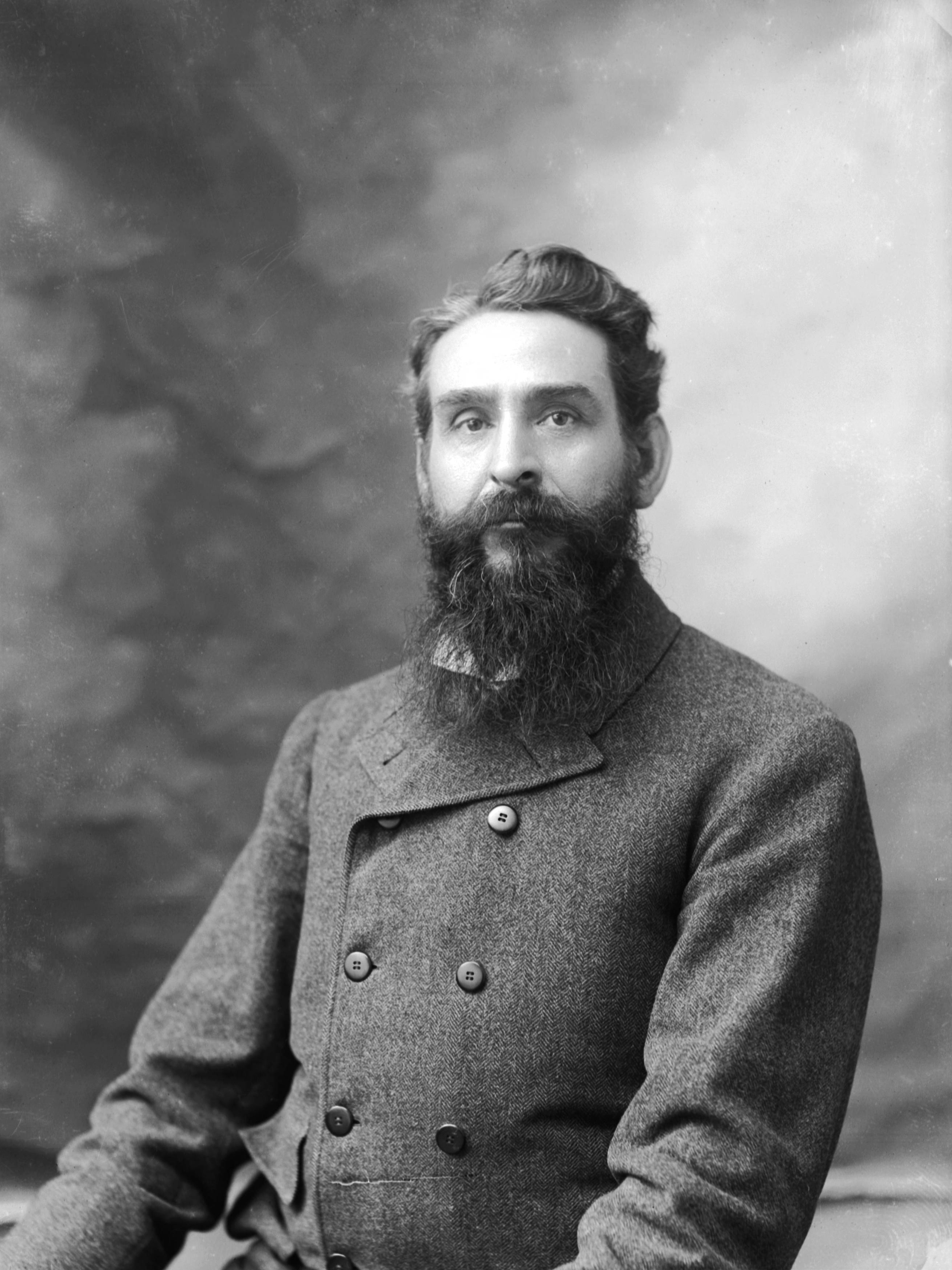
Edward Channing was a prominent American historian renowned for his comprehensive six-volume work, 'A History of the United States.' Published between 1905 and 1925, this monumental series earned him the Pulitzer Prize for History in 1926, establishing it as a foundational reference for scholars and students alike. Channing's meticulous research and insightful analysis provided a nuanced understanding of American history, influencing generations of historians and educators. Channing's academic career spanned over four decades at Harvard University, where he taught from 1883 until his retirement in 1929. He played a pivotal role in shaping the field of American history and was instrumental in training numerous PhD students, many of whom went on to become influential professors at prestigious institutions. His legacy endures through his contributions to historical scholarship and the impact he had on the academic community.
Famous Quotes
View all 3 quotes“Others were unfortunate men and women and even children who were stolen from their families and sold to the colonists.”
“Tobacco grew wild in Virginia. But the colonists at first did not know how to dry it and make it fit for smoking. After a few years they found out how to prepare it.”
“So a law was made that any Christian might worship as he saw fit. This was the first toleration act in the history of America. It was the first toleration act in the history of modern times.”
Books from the author



Link to this page
Add a free, dofollow link to Lex on your blog, forum, syllabus, or reading list.

<a href="https://lex-books.com/author/edward-channing"><img src="https://lex-books.com/badges/read-on-lex.svg" alt="Edward Channing on Lex" width="160" height="40"></a>[](https://lex-books.com/author/edward-channing)[url=https://lex-books.com/author/edward-channing][img]https://lex-books.com/badges/read-on-lex.svg[/img][/url]Edward Channing on Lex: https://lex-books.com/author/edward-channing