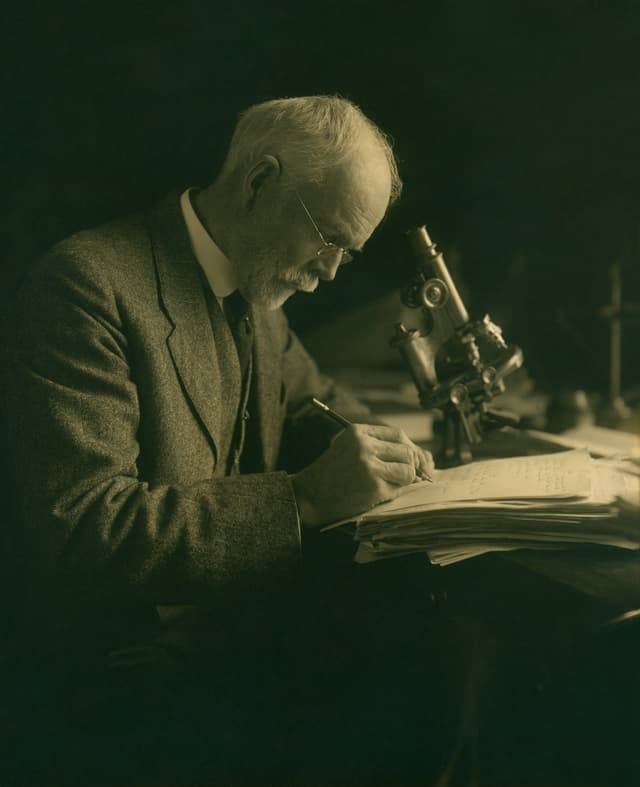
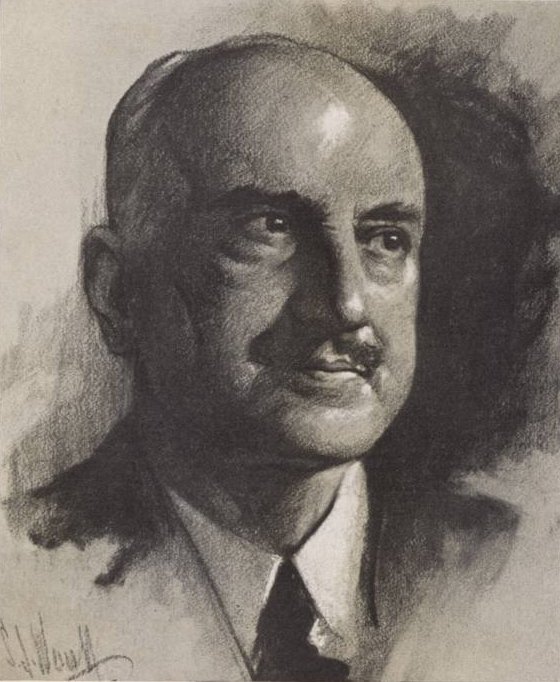
Edmund B. Wilson
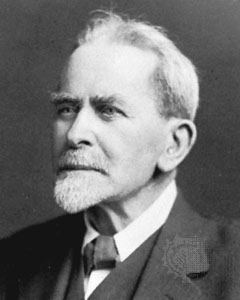
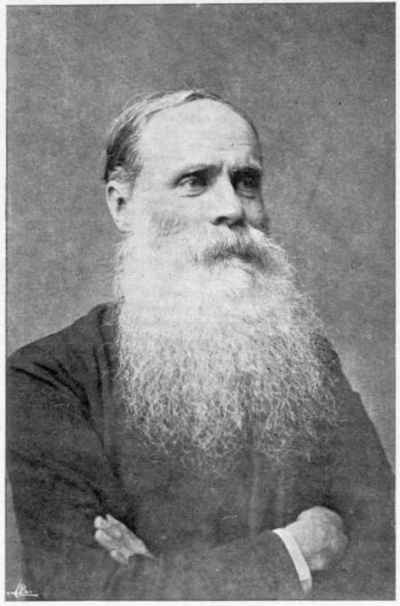
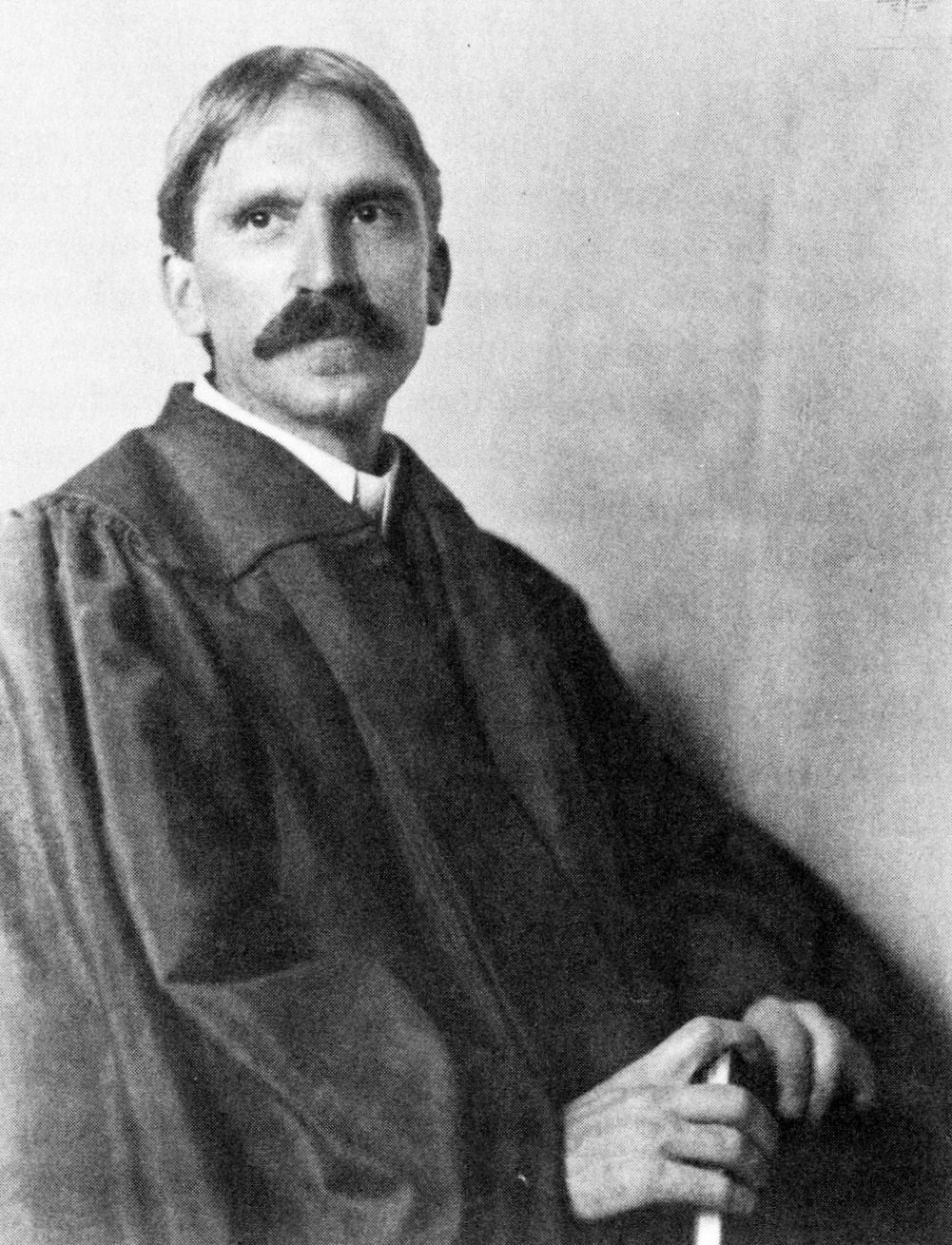
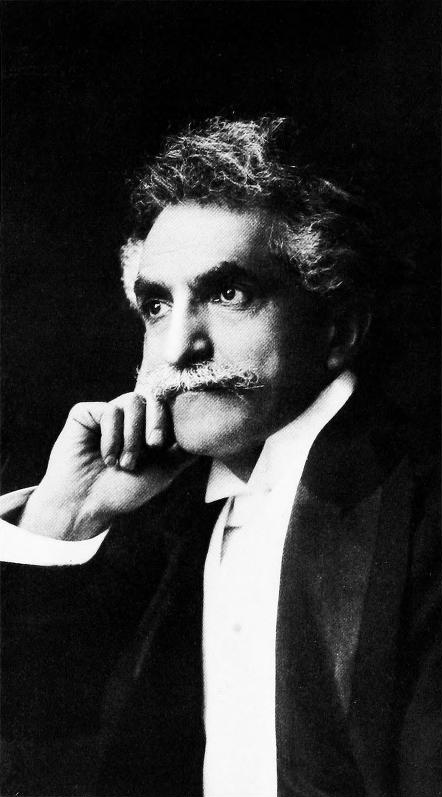
Edmund B. Wilson was an influential American biologist and naturalist whose work laid the foundation for modern evolutionary biology. Born in 1856, he pursued his education at the University of Nebraska and later at Harvard University, where he developed a keen interest in entomology and ecology. Wilson's early research focused on the behavior and ecology of ants, leading to his groundbreaking book, "The Ants," co-authored with Bert Hölldobler, which won the Pulitzer Prize in 1991. His extensive studies on social insects provided profound insights into the complexities of animal behavior and the evolution of social structures. Beyond his contributions to entomology, Wilson was a passionate advocate for biodiversity and conservation. His book "The Diversity of Life" emphasized the importance of preserving the planet's ecosystems and the myriad species that inhabit them. Wilson's work not only advanced scientific understanding but also raised public awareness about environmental issues. His legacy endures through his numerous publications, his role in the establishment of biodiversity hotspots, and his influence on both scientific thought and environmental policy, making him a pivotal figure in the fields of biology and conservation.
Famous Quotes
View all 1 quotes“We all have this circuit and need to exercize it periodically. Cuddling, sucking, hugging etc. and daily playing with (a) one’s own body (b) another’s body and (c) the environment, are perpetually necessary to neurosomatic-endocrine health. Those who deny such primordial functions because of rigid imprinting on the Third (rationalistic) or Fourth (moralistic) circuit tend to become “dried up,” “prune-faced,” unattractive, “cold,” and muscularly rigid. The baby-functions of playing with one’s own body, another’s body and the environment continue throughout life in all animals. This “playfulness” is a marked characteristic of all conspicuously healthy individuals of the sort Maslow calls “self-actualizers.” If this initial imprint is negative”
Books from the author





Link to this page
Add a free, dofollow link to Lex on your blog, forum, syllabus, or reading list.

<a href="https://lex-books.com/author/edmund-b-wilson"><img src="https://lex-books.com/badges/read-on-lex.svg" alt="Edmund B. Wilson on Lex" width="160" height="40"></a>[](https://lex-books.com/author/edmund-b-wilson)[url=https://lex-books.com/author/edmund-b-wilson][img]https://lex-books.com/badges/read-on-lex.svg[/img][/url]Edmund B. Wilson on Lex: https://lex-books.com/author/edmund-b-wilson