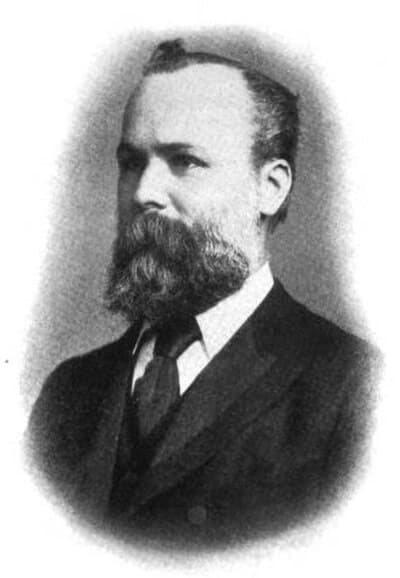
E. Walter Maunder
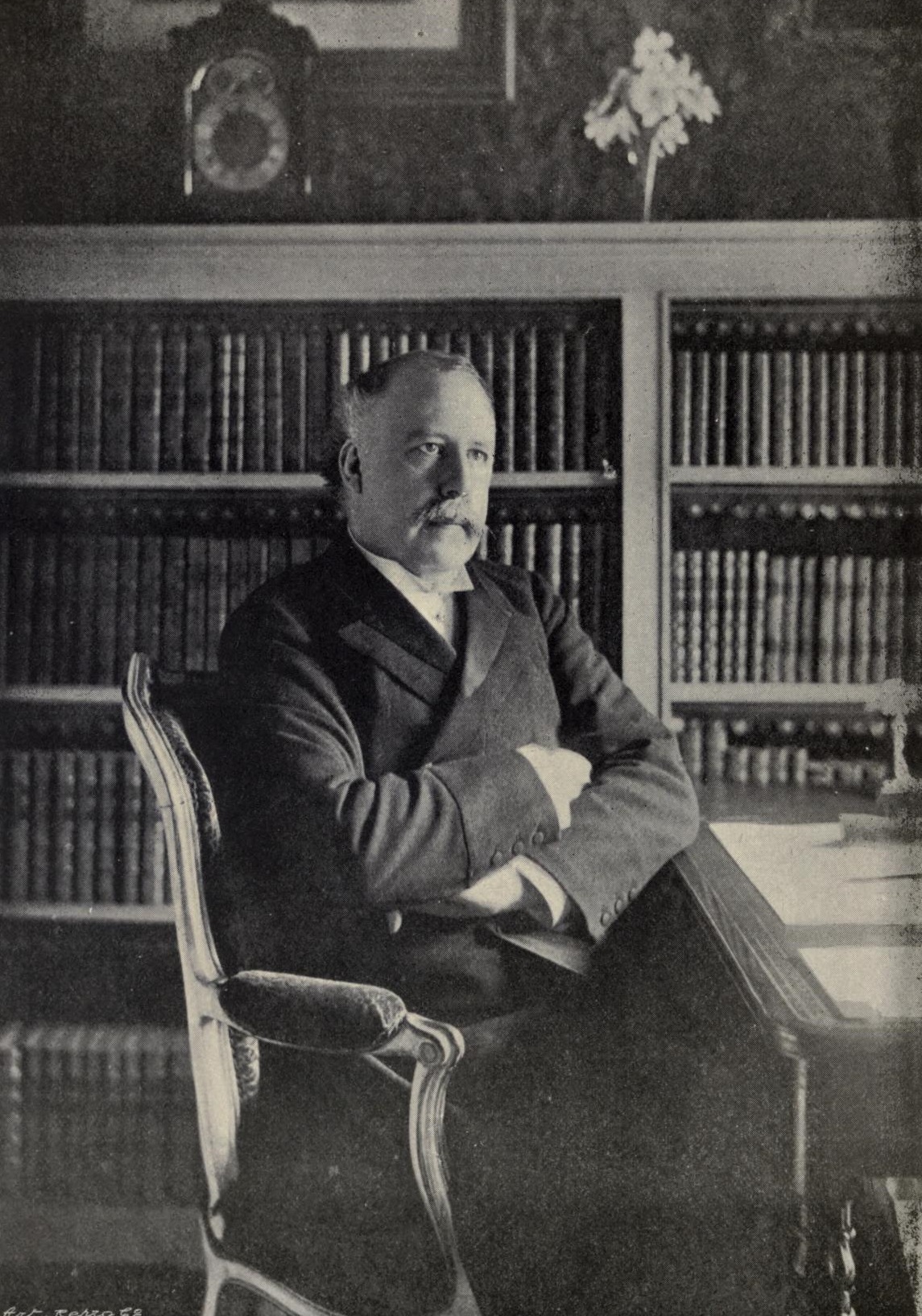
E. Walter Maunder was a prominent British astronomer and writer, best known for his contributions to the field of solar studies and his popular science writings. Born in 1851, Maunder became a key figure at the Royal Observatory in Greenwich, where he conducted extensive research on sunspots and solar phenomena. His work led to the formulation of the Maunder Minimum, a period of significantly reduced solar activity that coincided with the Little Ice Age, highlighting the intricate relationship between solar cycles and climate change. Maunder's meticulous observations and analyses provided a foundation for future solar research and deepened the understanding of the sun's influence on Earth. In addition to his scientific contributions, Maunder was a prolific author, writing numerous books and articles aimed at making astronomy accessible to the general public. His notable works include "The Sun: A Description of the Solar Phenomena" and "The Story of the Solar System," which showcased his ability to blend scientific rigor with engaging narrative. Maunder's legacy endures not only through his scientific findings but also through his efforts to popularize astronomy, inspiring generations of amateur astronomers and science enthusiasts. His work remains a testament to the importance of observational astronomy in understanding both our solar system and the broader universe.
Famous Quotes
View all 9 quotes“Holy Scripture was not intended to give an account of the scientific achievements, if any, of the Hebrews of old. Its purpose was wholly different: it was religious, not scientific; it was meant to give spiritual, not intellectual enlightenment.””
“Italian astronomers, Prof. G. V. Schiaparelli, on this subject of "Astronomy in the Old Testament,””
“we should conclude that the Hebrews”
Books from the author

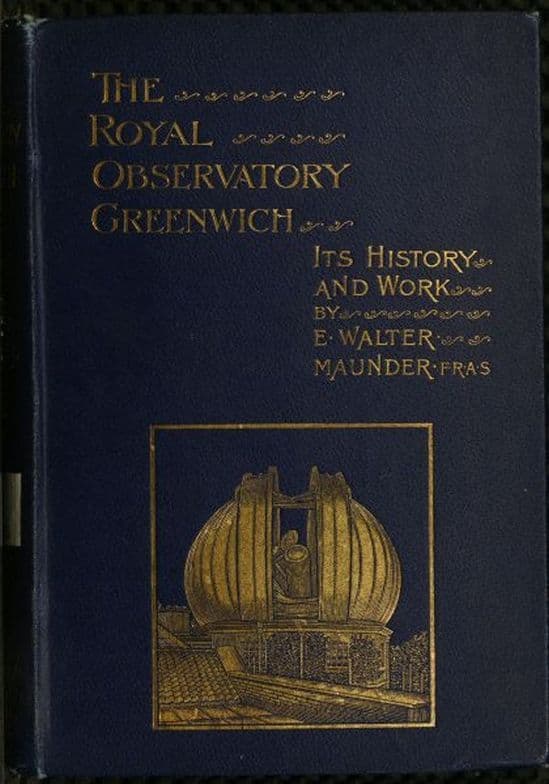
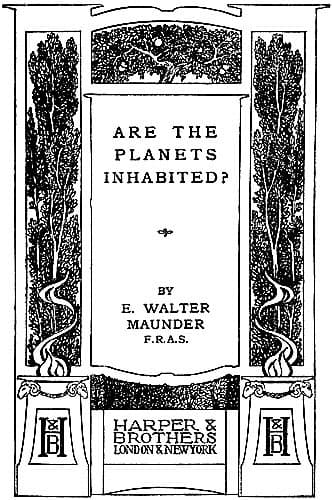
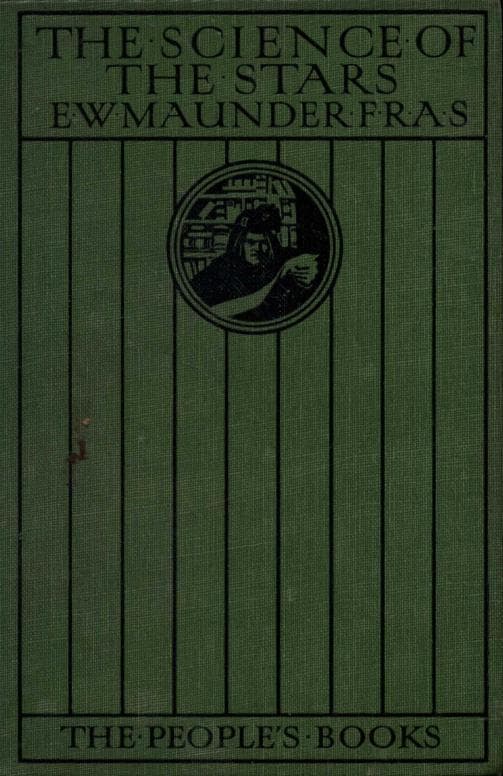




Link to this page
Add a free, dofollow link to Lex on your blog, forum, syllabus, or reading list.

<a href="https://lex-books.com/author/e-walter-maunder"><img src="https://lex-books.com/badges/read-on-lex.svg" alt="E. Walter Maunder on Lex" width="160" height="40"></a>[](https://lex-books.com/author/e-walter-maunder)[url=https://lex-books.com/author/e-walter-maunder][img]https://lex-books.com/badges/read-on-lex.svg[/img][/url]E. Walter Maunder on Lex: https://lex-books.com/author/e-walter-maunder