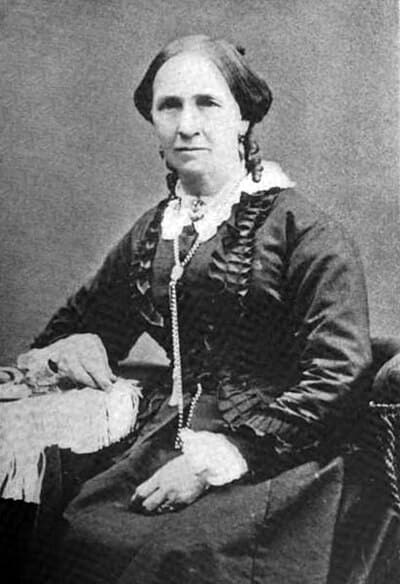
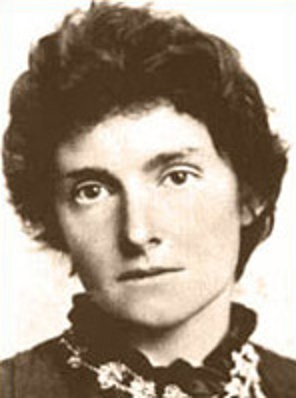
E. H. Young
E. H. Young was an English novelist known for her keen observations of social dynamics and the complexities of human relationships. Born in 1880 in Bristol, she spent much of her life in the West Country, which served as the backdrop for many of her works. Young's writing often explored themes of women's roles in society, the nuances of family life, and the struggles of personal identity. Her notable novels include 'Miss Mole,' which features a middle-aged woman navigating her independence, and 'The Curate's Wife,' which delves into the challenges faced by women in the early 20th century. Young's literary significance lies in her ability to blend humor with poignant social commentary, making her a distinctive voice in early 20th-century literature. Her works often reflect the changing attitudes towards gender and class during her time, providing insight into the evolving landscape of British society. Though not as widely recognized today, E. H. Young's contributions to the genre of domestic fiction have influenced subsequent writers and continue to be appreciated for their depth and wit. Her legacy endures through her insightful portrayals of women's experiences and her exploration of the intricacies of everyday life.
Famous Quotes
View all 3 quotes“I’m much better off as I am and I’m coming to the conclusion that the happiest people are the ones who have missed everything they thought they wanted.””
“Feedback works well when it provides useful information that can guide future learning. If feedback tells you what you’re doing wrong or how to fix it, it can be a potent tool. But feedback often backfires when it is aimed at a person’s ego. Praise, a common type of feedback that teachers often use (and students enjoy), is usually harmful to further learning. When feedback steers into evaluations of you as an individual (e.g., “You’re so smart!” or “You’re lazy”), it usually has a negative impact on learning. Further, even feedback that includes useful information needs to be correctly processed as a motivator and tool for learning.””
“You can't,' she said slowly, 'get happiness through a person if you can't get it through yourself””
Books from the author
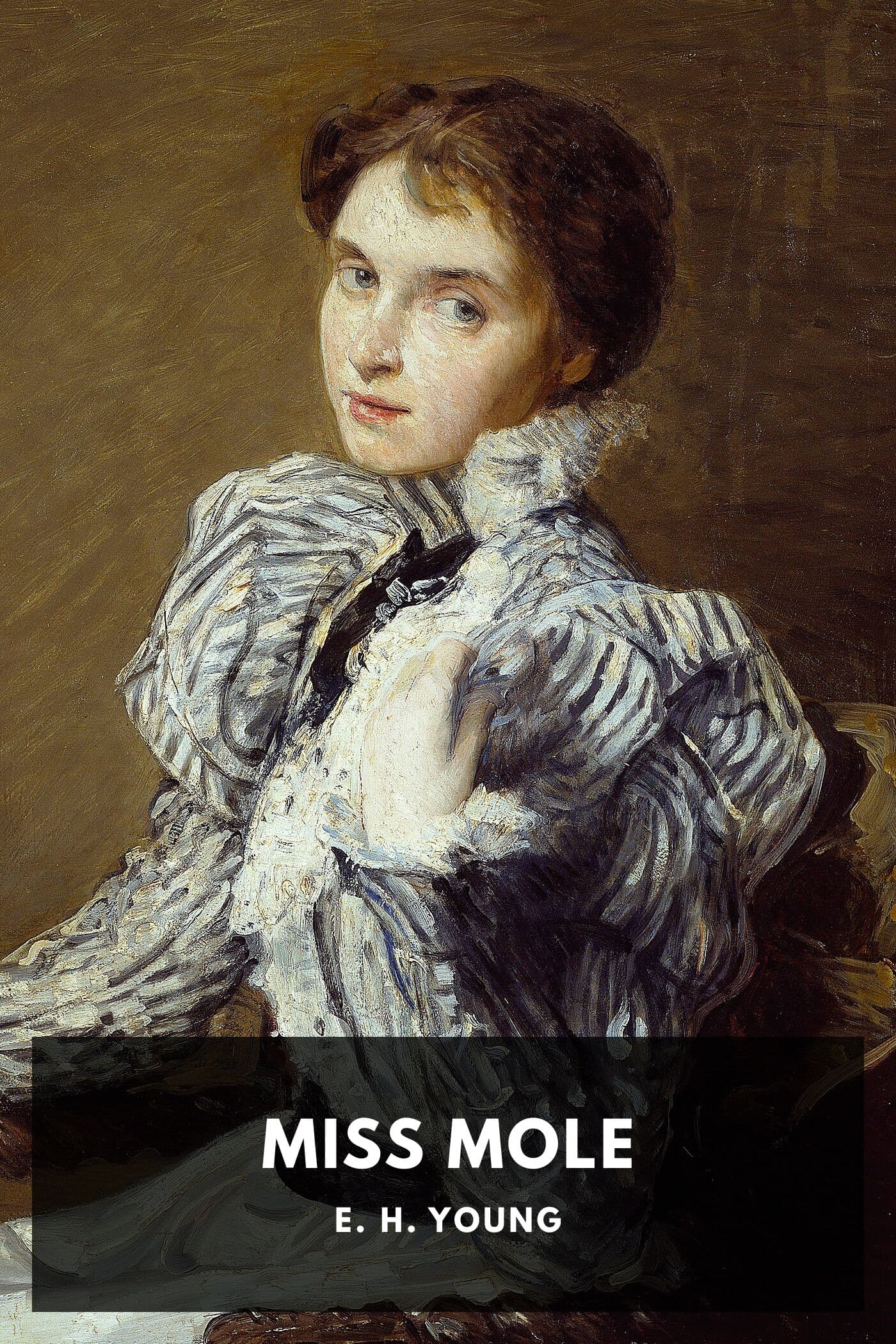
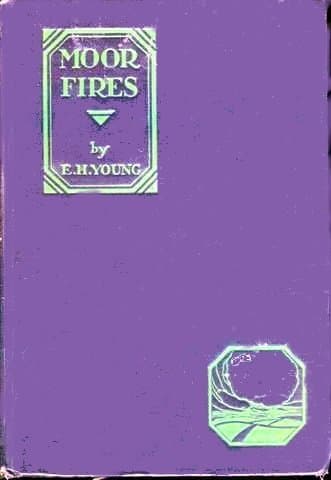

Link to this page
Add a free, dofollow link to Lex on your blog, forum, syllabus, or reading list.

<a href="https://lex-books.com/author/e-h-young"><img src="https://lex-books.com/badges/read-on-lex.svg" alt="E. H. Young on Lex" width="160" height="40"></a>[](https://lex-books.com/author/e-h-young)[url=https://lex-books.com/author/e-h-young][img]https://lex-books.com/badges/read-on-lex.svg[/img][/url]E. H. Young on Lex: https://lex-books.com/author/e-h-young