E. Douglas Fawcett
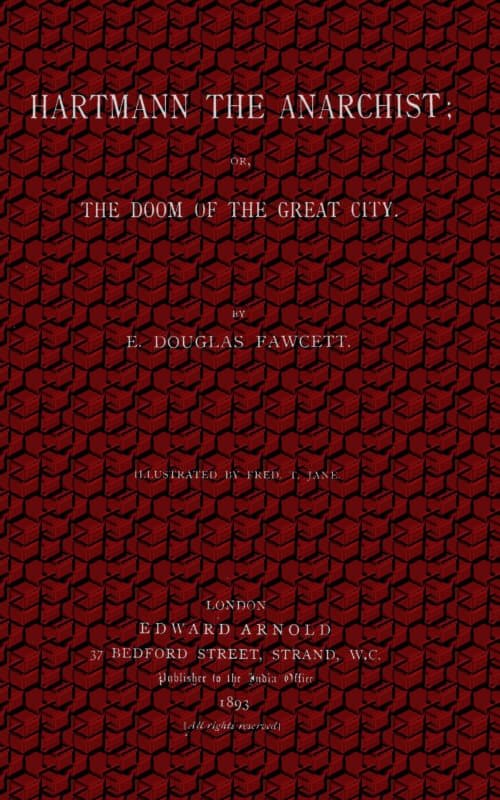
E. Douglas Fawcett was a British writer known for his contributions to the genre of speculative fiction, particularly during the late 19th and early 20th centuries. His most notable work, "Hartmann, the Anarchist; Or, The Doom of the Great City," published in 1907, explores themes of anarchism and societal collapse through a narrative that combines elements of adventure and political commentary. The novel presents a dystopian vision of a future London, where an anarchist plot threatens the established order, reflecting Fawcett's engagement with contemporary social issues and his critique of authority. Fawcett's writing is characterized by its imaginative scope and a keen interest in the implications of political ideologies. His work stands out for its early exploration of anarchist themes in fiction, which would later resonate with other writers and movements. Although not as widely recognized as some of his contemporaries, Fawcett's contributions to speculative literature provide insight into the anxieties of his time, particularly regarding governance and individual freedom. His legacy endures as a reflection of the early 20th-century discourse on anarchism and its potential consequences for society.
Books from the author





Link to this page
Add a free, dofollow link to Lex on your blog, forum, syllabus, or reading list.

<a href="https://lex-books.com/author/e-douglas-fawcett"><img src="https://lex-books.com/badges/read-on-lex.svg" alt="E. Douglas Fawcett on Lex" width="160" height="40"></a>[](https://lex-books.com/author/e-douglas-fawcett)[url=https://lex-books.com/author/e-douglas-fawcett][img]https://lex-books.com/badges/read-on-lex.svg[/img][/url]E. Douglas Fawcett on Lex: https://lex-books.com/author/e-douglas-fawcett