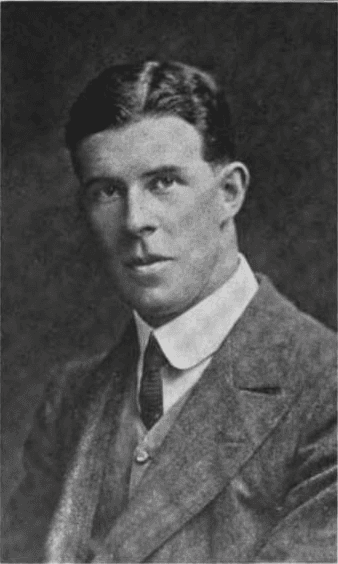
E. C. Bentley
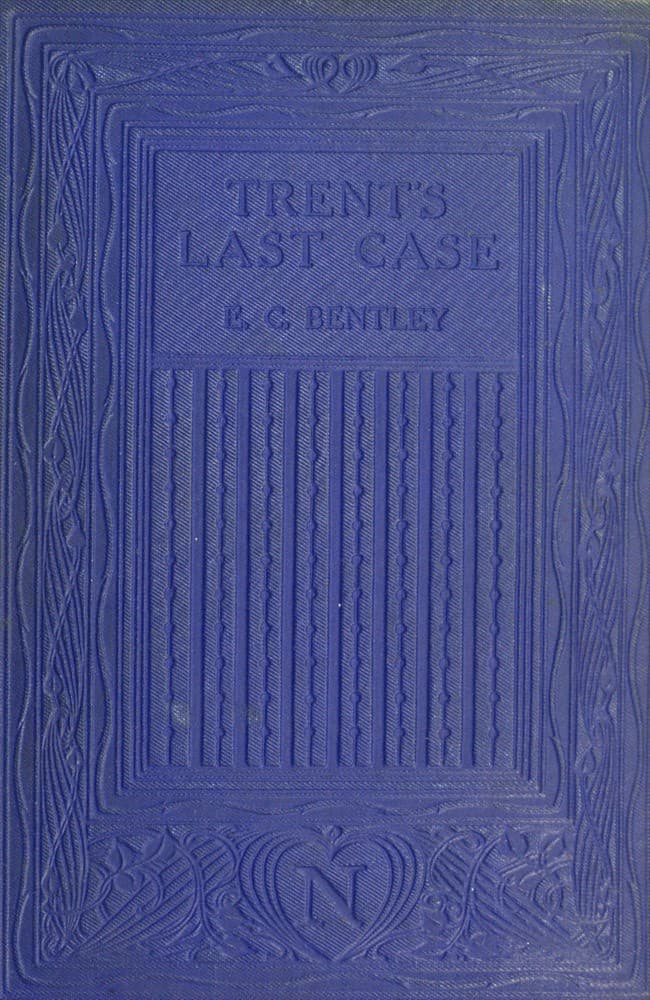
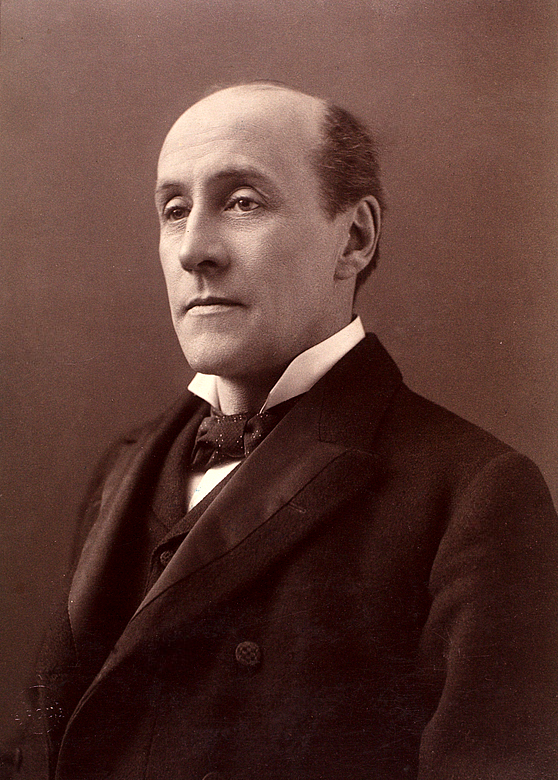
E. C. Bentley was an English author and journalist, best known for his contributions to the detective fiction genre. His most notable work, 'Trent's Last Case,' published in 1913, is often regarded as one of the first modern detective novels, introducing a more complex and psychologically nuanced approach to the genre. The novel features the character Philip Trent, an amateur detective who grapples with moral ambiguity and the intricacies of human behavior, setting a precedent for future detective stories that prioritized character development alongside plot twists. In addition to 'Trent's Last Case,' Bentley wrote 'The Woman in Black,' a work that further showcased his ability to weave suspense and intrigue into his narratives. Throughout his career, Bentley was not only a novelist but also a prominent figure in the literary community, contributing to various publications and engaging with contemporary literary movements. His works have left a lasting impact on the detective fiction genre, influencing writers who followed and expanding the boundaries of what detective stories could explore in terms of character and theme. Bentley's legacy endures as a pioneer who helped shape the modern detective novel.
Famous Quotes
View all 4 quotes“Sir Christopher WrenSaid, "I am going to dine with some men.If anyone callsSay I am designing St. Paul's.””
“Mr. Cupples came out of his reverie. "I think," he said, "I will have milk and soda-water." "Speak lower!" urged Trent. "The head-waiter has a weak heart, and he might hear you.””
“Many a time when he “took hold” to smash a strike, or to federate the ownership of some great field of labour, [Manderson] sent ruin upon a multitude of tiny homes; and if miners or steelworkers or cattlemen defied him and invoked disorder, he could be more lawless and ruthless than they . . . Tens of thousands of the poor might curse his name, but the financier and the speculator execrated him no more. He stretched a hand to protect or to manipulate the power of wealth in every corner of the country. Forcible, cold, and unerring, in all he did he ministered to the national lust for magnitude; and a grateful country surnamed him the Colossus.””
Books from the author


Link to this page
Add a free, dofollow link to Lex on your blog, forum, syllabus, or reading list.

<a href="https://lex-books.com/author/e-c-bentley"><img src="https://lex-books.com/badges/read-on-lex.svg" alt="E. C. Bentley on Lex" width="160" height="40"></a>[](https://lex-books.com/author/e-c-bentley)[url=https://lex-books.com/author/e-c-bentley][img]https://lex-books.com/badges/read-on-lex.svg[/img][/url]E. C. Bentley on Lex: https://lex-books.com/author/e-c-bentley