douard Laboulaye
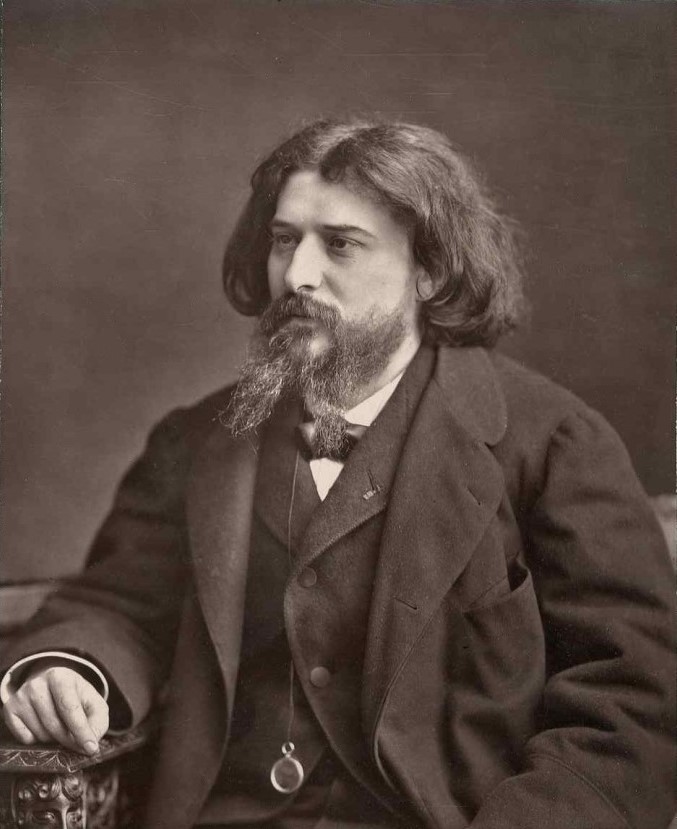
Édouard Laboulaye was a prominent French political thinker, professor, and abolitionist, best known for his advocacy of democracy and human rights. Born in 1811, he became a significant figure in the intellectual landscape of 19th-century France, particularly through his writings on American democracy and the principles of liberty. Laboulaye's most notable work, 'De la démocratie en Amérique,' examined the American political system and its implications for France, making a compelling case for the adoption of democratic ideals in his own country. His insights on the relationship between liberty and social progress influenced many contemporaries and later thinkers. In addition to his political writings, Laboulaye is perhaps best remembered for his role in the conception of the Statue of Liberty. He proposed the idea of a monument to symbolize freedom and democracy, which would ultimately be gifted to the United States by France. This vision not only highlighted his commitment to the values of liberty but also reinforced the transatlantic bond between the two nations. Laboulaye's legacy endures through his contributions to political thought and his enduring symbol of freedom, which continues to inspire generations around the world.
Books from the author



Link to this page
Add a free, dofollow link to Lex on your blog, forum, syllabus, or reading list.

<a href="https://lex-books.com/author/douard-laboulaye"><img src="https://lex-books.com/badges/read-on-lex.svg" alt="douard Laboulaye on Lex" width="160" height="40"></a>[](https://lex-books.com/author/douard-laboulaye)[url=https://lex-books.com/author/douard-laboulaye][img]https://lex-books.com/badges/read-on-lex.svg[/img][/url]douard Laboulaye on Lex: https://lex-books.com/author/douard-laboulaye