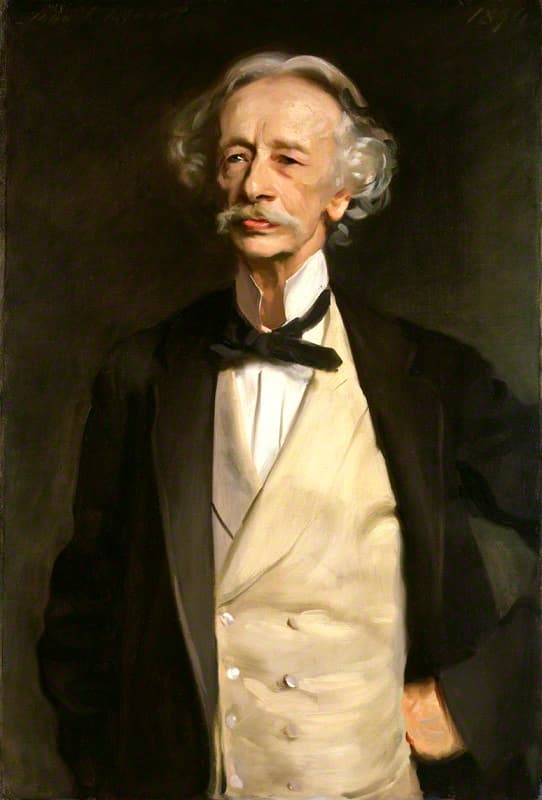
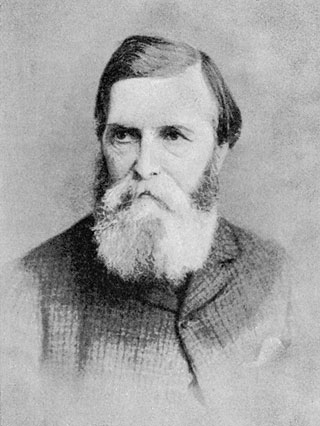
Coventry Patmore
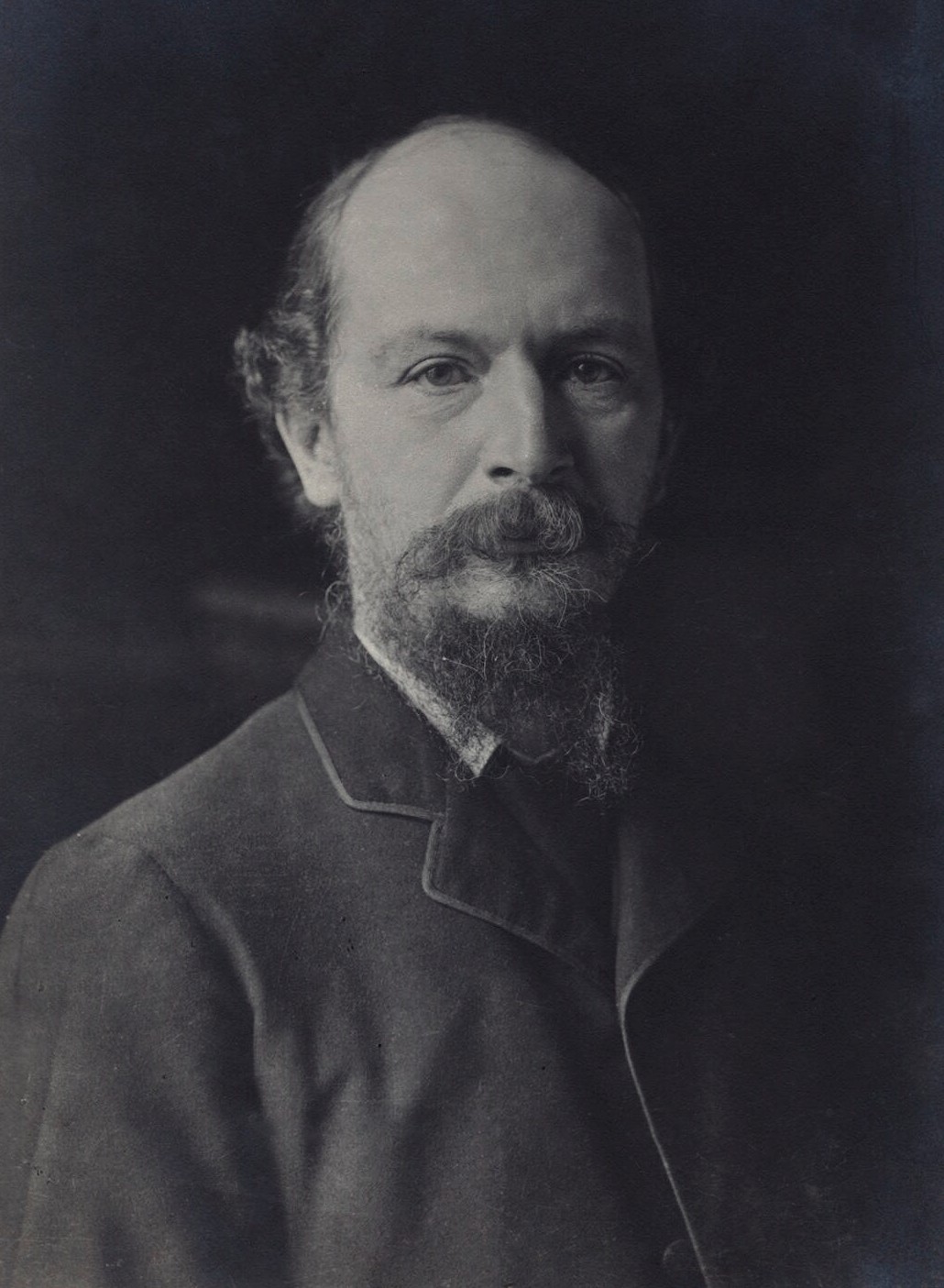
Coventry Patmore was an English poet and literary critic renowned for his exploration of Victorian ideals, particularly in his seminal work, "The Angel in the House." This narrative poem, published in 1854, celebrated the concept of a blissful marriage and the role of women as the moral center of the home, reflecting the societal values of his time. Patmore's early career included a position at the British Museum, where he honed his literary skills and developed connections with influential figures, including the Pre-Raphaelite Brotherhood, which shaped his artistic vision. The death of his first wife, Emily Augusta Patmore, in 1862 profoundly impacted his work, infusing his poetry with themes of loss and longing. His subsequent collections, such as "The Unknown Eros" and "The Victories of Love," further established his reputation as a significant voice in Victorian literature. Patmore's legacy lies not only in his poetic contributions but also in his role as a critic and commentator on the social and moral issues of his time, influencing later generations of poets and writers who grappled with similar themes of love, loss, and domesticity.
Famous Quotes
View all 3 quotes“To one who waits, all things reveal themselves so long as you have the courage not to deny in the darkness what you have seen in the light.”
“To him that waits all things reveal themselves,' provided that he has the courage not to deny, in the darkness, what he has seen in the light.”
“The Toys My little Son, who look'd from thoughtful eyes And moved and spoke in quiet grown-up wise, Having my law the seventh time disobey'd, I struck him, and dismiss'd With hard words and unkiss'd, —His Mother, who was patient, being dead. Then, fearing lest his grief should hinder sleep, I visited his bed, But found him slumbering deep, With darken'd eyelids, and their lashes yet From his late sobbing wet. And I, with moan, Kissing away his tears, left others of my own; For, on a table drawn beside his head, He had put, within his reach, A box of counters and a red-vein'd stone, A piece of glass abraded by the beach, And six or seven shells, A bottle with bluebells, And two French copper coins, ranged there with careful art, To comfort his sad heart. So when that night I pray'd To God, I wept, and said: Ah, when at last we lie with trancèd breath, Not vexing Thee in death, And Thou rememberest of what toys We made our joys, How weakly understood Thy great commanded good, Then, fatherly not less Than I whom Thou hast moulded from the clay, Thou'lt leave Thy wrath, and say, 'I will be sorry for their childishness.”
Books from the author

Link to this page
Add a free, dofollow link to Lex on your blog, forum, syllabus, or reading list.

<a href="https://lex-books.com/author/coventry-patmore"><img src="https://lex-books.com/badges/read-on-lex.svg" alt="Coventry Patmore on Lex" width="160" height="40"></a>[](https://lex-books.com/author/coventry-patmore)[url=https://lex-books.com/author/coventry-patmore][img]https://lex-books.com/badges/read-on-lex.svg[/img][/url]Coventry Patmore on Lex: https://lex-books.com/author/coventry-patmore