
comte de Lautréamont
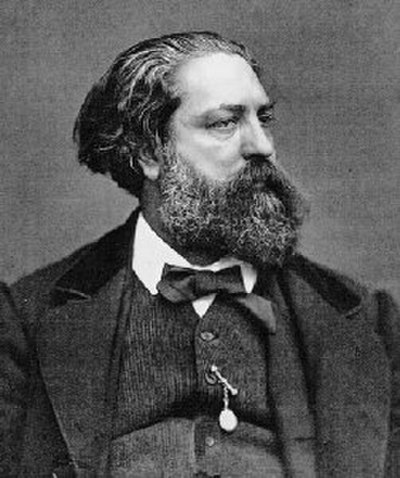
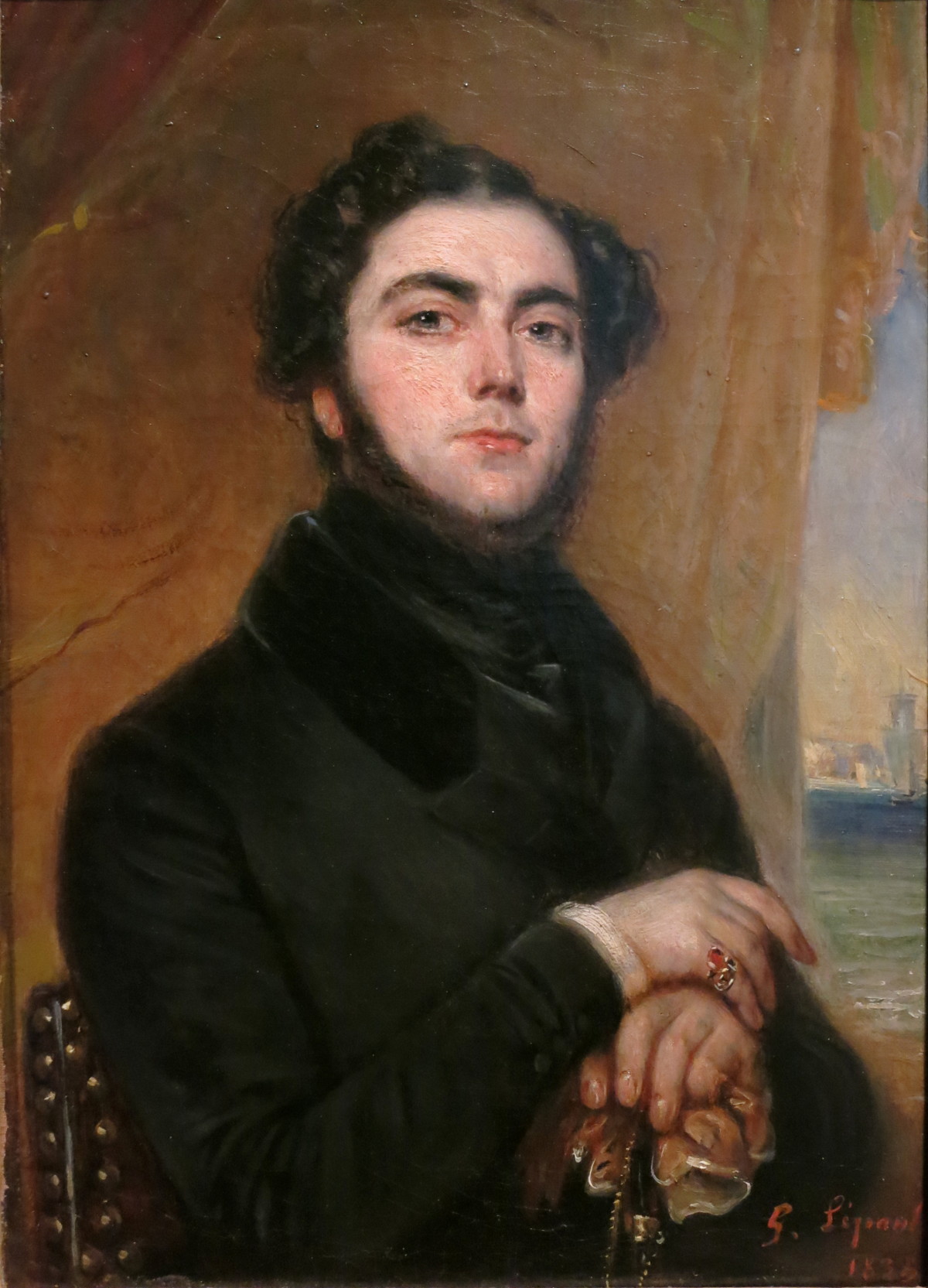
Comte de Lautréamont, born Isidore Lucien Ducasse, was a French poet and writer whose work significantly influenced the Surrealist movement and modern literature. He is best known for his seminal work, 'Les Chants de Maldoror,' a poetic novel that defies conventional narrative structure and explores themes of existentialism, violence, and the subconscious. Lautréamont's writing is characterized by its vivid imagery and dark, often shocking content, which challenged the literary norms of his time and paved the way for future avant-garde movements. Despite his brief life, Lautréamont's impact on literature was profound. His work was largely unrecognized during his lifetime, but it gained critical acclaim posthumously, inspiring writers such as André Breton and the Surrealists, who admired his ability to blend the grotesque with the sublime. Lautréamont's exploration of the human psyche and his rejection of traditional morality have made him a pivotal figure in the history of literature, marking him as a precursor to modernist and existential thought. His legacy continues to resonate in contemporary literature and art, solidifying his place as a visionary in the literary canon.
Famous Quotes
View all 18 quotes“Farewell until eternity, where you and I shall not find ourselves together.””
“I sought a soul that might resemble mine, and I could not find it. I scanned all the crannies of the earth: my perseverance was useless. Yet I could not remain alone. There had to be someone who would approve of my character; there had to be someone with the same ideas as myself. It was morning. The sun in all his magnificence rose on the horizon, and behold, there also appeared before my eyes a young man whose presence made flowers grow as he passed. He approached me and held out his hand: “I have come to you, you who seek me. Let us give thanks for this happy day.” But I replied: “Go! I did not summon you. I do not need your friendship… .” It was evening. Night was beginning to spread the blackness of her veil over nature. A beautiful woman whom I could scarcely discern also exerted her bewitching sway upon me and looked at me with compassion. She did not, however, dare speak to me. I said: “Come closer that I may discern your features clearly, for at this distance the starlight is not strong enough to illumine them.” Then, with modest demeanour, eyes lowered, she crossed the greensward and reached my side. I said as soon as I saw her: “I perceive that goodness and justice have dwelt in your heart: we could not live together. Now you are admiring my good looks which have bowled over more than one woman. But sooner or later you would regret having consecrated your love to me, for you do not know my soul. Not that I shall be unfaithful to you: she who devotes herself to me with so much abandon and trust”
“After some hours, the dogs, exhausted by running round, almost dead, their tongues hanging out, set upon one another and, not knowing what they are doing, tear one another into thousands of pieces with incredible rapidity. Yet they do not do this out of cruelty. One day, a glazed look in her eyes, my mother said to me: ‘When you are in bed and you hear the barking of the dogs in the countryside, hide beneath your blanket, but do not deride what they do: they have an insatiable thirst for the infinite, as you, and I, and all other pale, long-faced human beings do.’ Since that time, I have respected the dead woman’s wish. Like those dogs I feel the need for the infinite. I cannot, cannot satisfy this need. I am the son of a man and a woman, from what I have been told. This astonishes me…I believed I was something more.””
Books from the author

Link to this page
Add a free, dofollow link to Lex on your blog, forum, syllabus, or reading list.

<a href="https://lex-books.com/author/comte-de-lautréamont"><img src="https://lex-books.com/badges/read-on-lex.svg" alt="comte de Lautréamont on Lex" width="160" height="40"></a>[](https://lex-books.com/author/comte-de-lautréamont)[url=https://lex-books.com/author/comte-de-lautréamont][img]https://lex-books.com/badges/read-on-lex.svg[/img][/url]comte de Lautréamont on Lex: https://lex-books.com/author/comte-de-lautréamont