
Christian Morgenstern
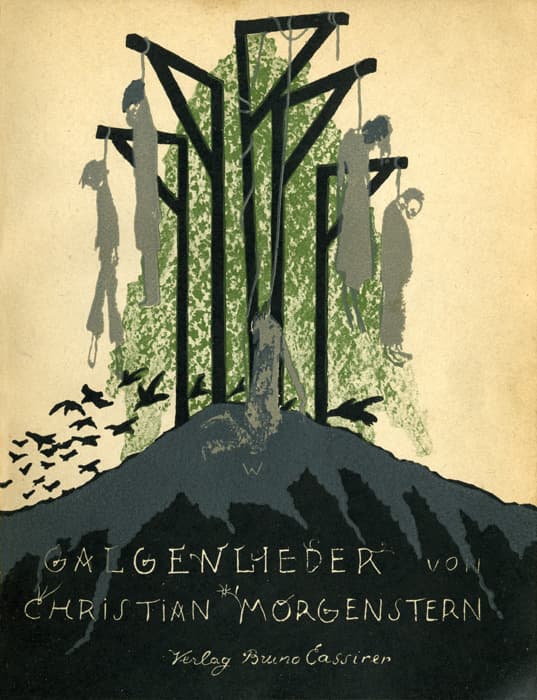
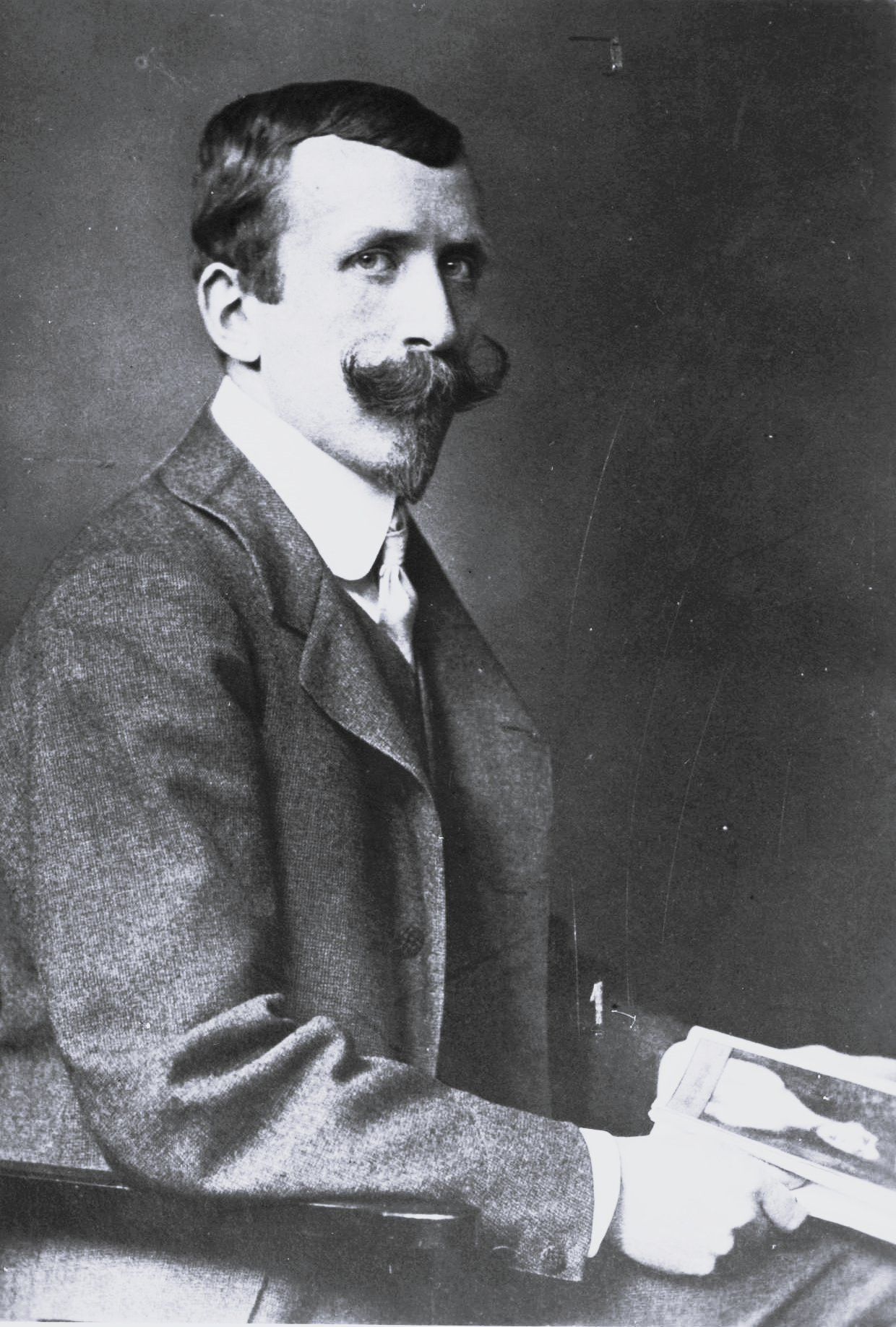
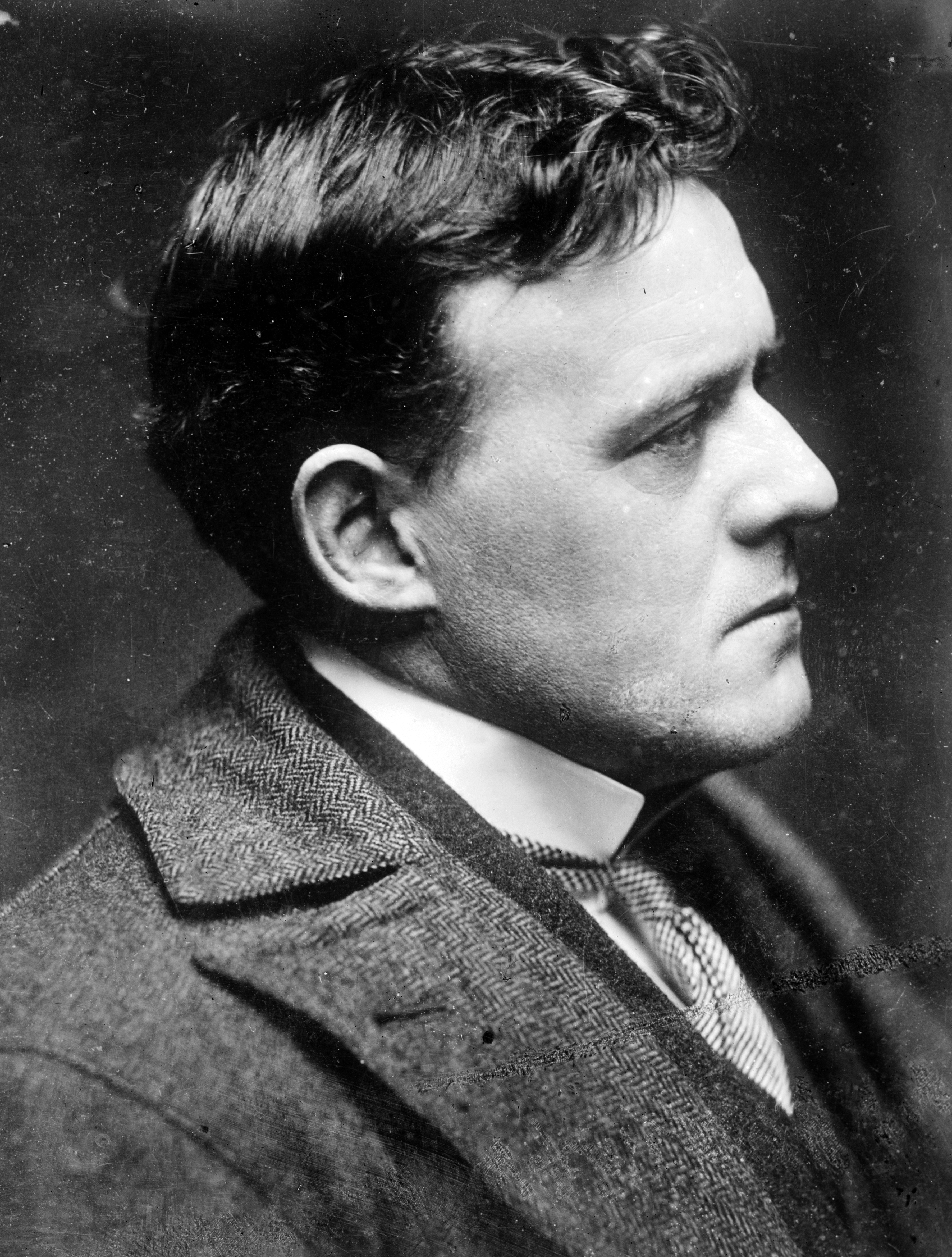
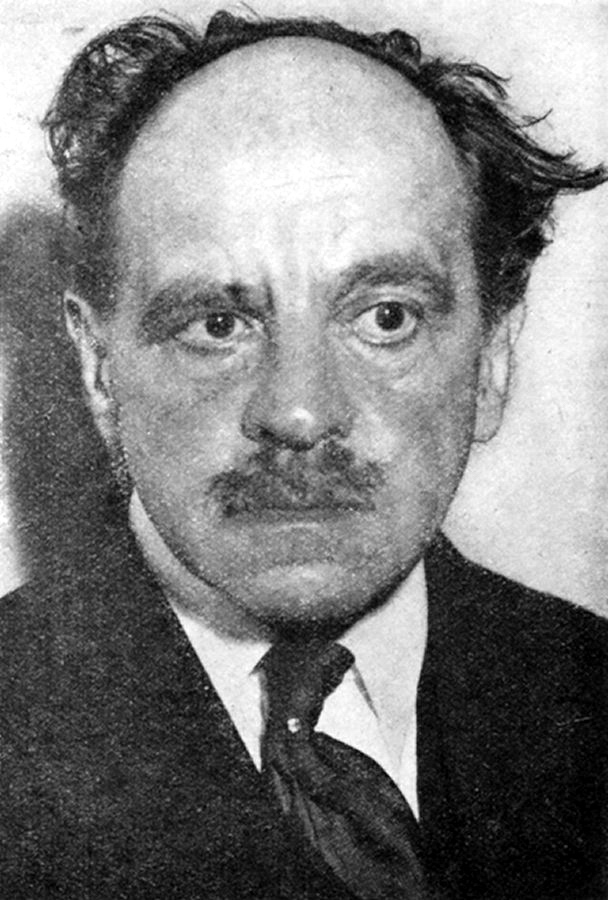
Christian Morgenstern was a German poet and writer known for his innovative and whimsical use of language. Born in Munich, he spent much of his life grappling with health issues, which led him to travel extensively through Germany, Switzerland, and Italy. These journeys, although not successful in restoring his health, allowed him to connect with prominent literary and philosophical figures of his era, enriching his creative output. Morgenstern's work is characterized by its playful exploration of language, often blending humor with profound philosophical insights. His most notable contributions include the collection 'Galgenlieder' (Gallows Songs), which showcases his unique style of nonsense verse and wordplay. Morgenstern's poetry often reflects a deep engagement with existential themes, making him a precursor to later avant-garde movements. His literary significance lies in his ability to challenge conventional forms and explore the absurdities of life, influencing subsequent generations of poets and writers. Despite his relatively short life, Morgenstern's legacy endures through his inventive approach to language and his exploration of the human condition.
Famous Quotes
View all 3 quotes“Home is not where you live but where they understand you.”
“If modern civilised man had to keep the animals he eats, the number of vegetarians would rise astronomically.”
“Schön eigentlich alles, was man mit Liebe betrachtet. (Sebenarnya segalanya itu indah, selama manusia melihatnya dengan cinta).”
Books from the author









Link to this page
Add a free, dofollow link to Lex on your blog, forum, syllabus, or reading list.

<a href="https://lex-books.com/author/christian-morgenstern"><img src="https://lex-books.com/badges/read-on-lex.svg" alt="Christian Morgenstern on Lex" width="160" height="40"></a>[](https://lex-books.com/author/christian-morgenstern)[url=https://lex-books.com/author/christian-morgenstern][img]https://lex-books.com/badges/read-on-lex.svg[/img][/url]Christian Morgenstern on Lex: https://lex-books.com/author/christian-morgenstern