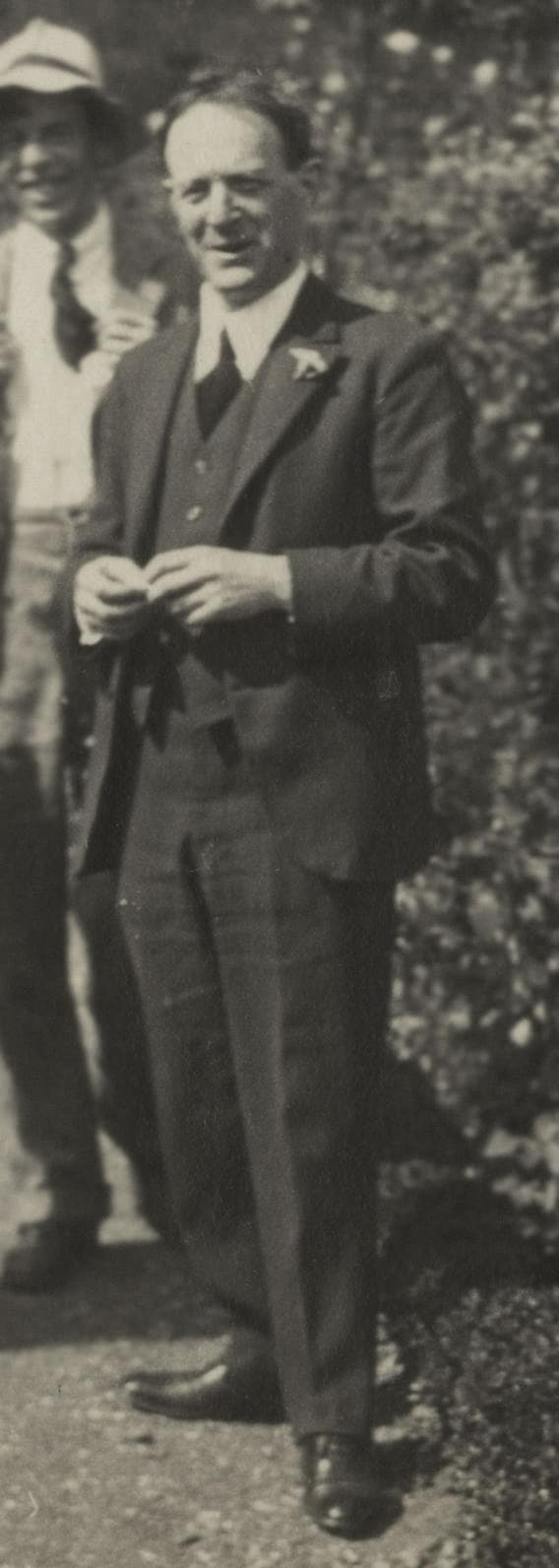
Walter De la Mare
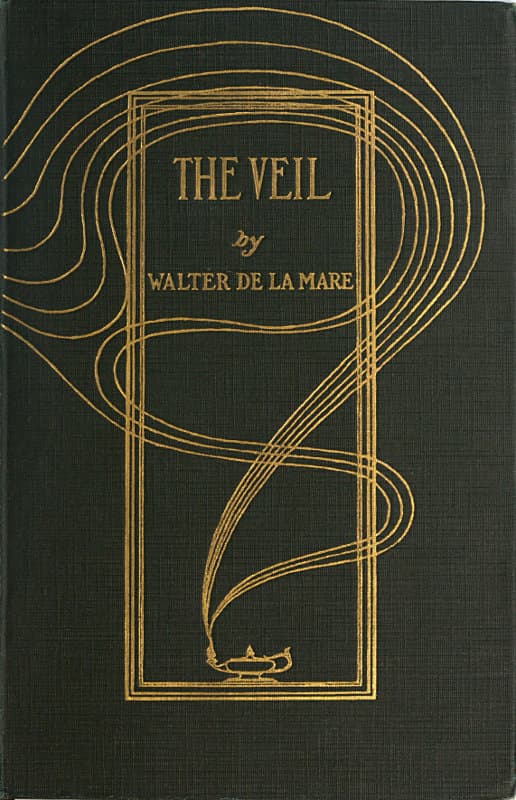
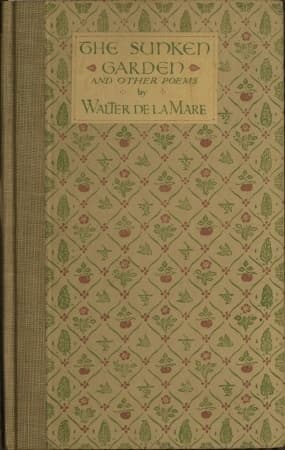
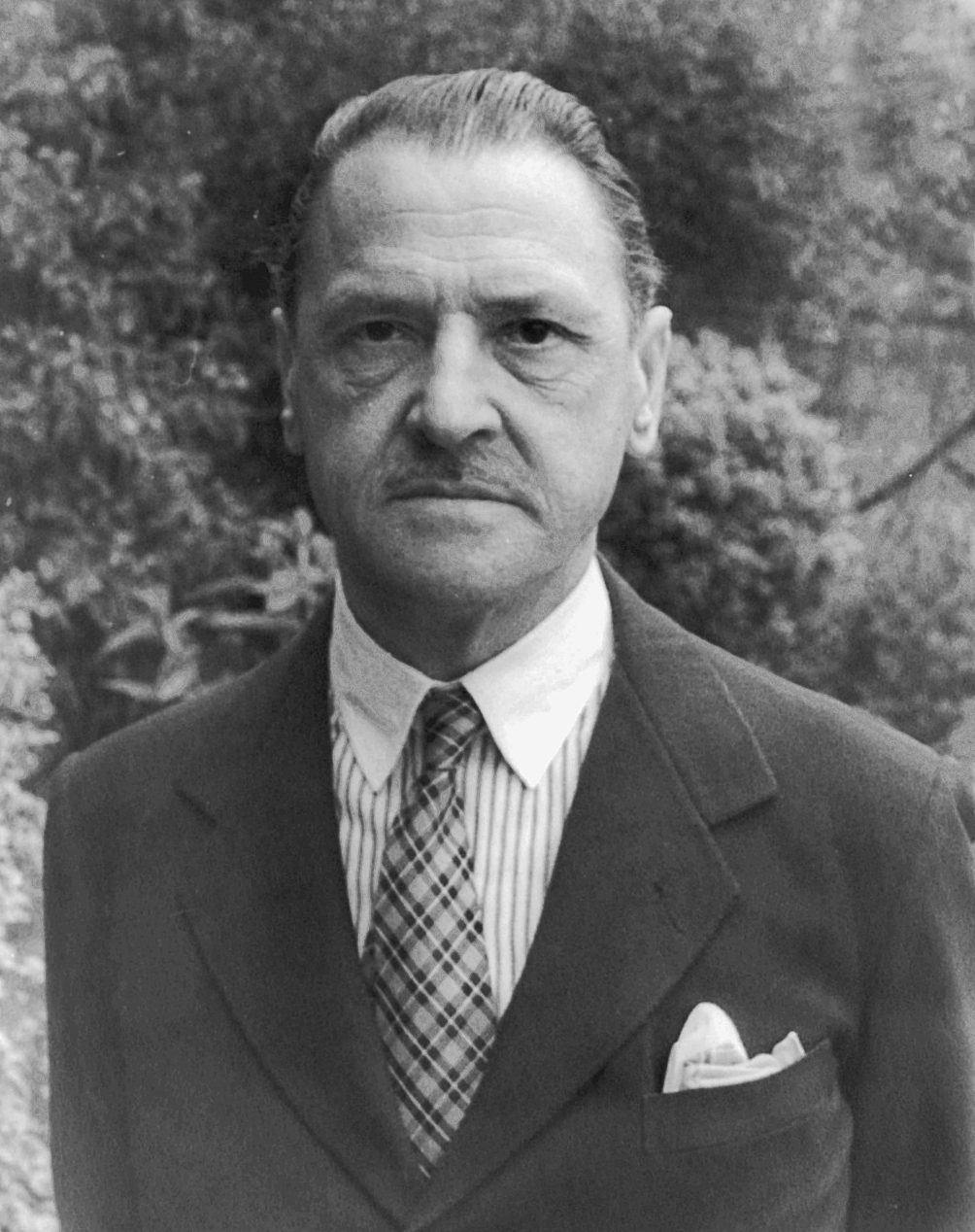
Walter de la Mare was an influential English poet, novelist, and short story writer, renowned for his contributions to children's literature and psychological horror. His most famous poem, 'The Listeners,' exemplifies his mastery of atmosphere and mystery, while his short stories, such as 'Seaton's Aunt' and 'The Green Room,' delve into the unsettling aspects of human experience. De la Mare's ability to blend the whimsical with the eerie set him apart in the literary landscape of the early 20th century. In 1921, he garnered significant acclaim with his novel 'Memoirs of a Midget,' which won the prestigious James Tait Black Memorial Prize for fiction. His later work, 'Collected Stories for Children,' published post-World War II, received the Carnegie Medal, solidifying his legacy as a key figure in children's literature. De la Mare's unique voice and imaginative storytelling continue to resonate, influencing generations of writers and readers alike, particularly in the realms of fantasy and horror.
Famous Quotes
View all 3 quotes“A poor old Widow in her weeds Sowed her garden with wild-flower seeds; Not too shallow, and not too deep, And down came April -- drip -- drip -- drip. Up shone May, like gold, and soon Green as an arbour grew leafy June. And now all summer she sits and sews Where willow herb, comfrey, bugloss blows, Teasle and pansy, meadowsweet, Campion, toadflax, and rough hawksbit; Brown bee orchis, and Peals of Bells; Clover, burnet, and thyme she smells; Like Oberon's meadows her garden is Drowsy from dawn to dusk with bees. Weeps she never, but sometimes sighs, And peeps at her garden with bright brown eyes; And all she has is all she needs -- A poor Old Widow in her weeds.”
“After all, what is every man? A horde of ghosts – like a Chinese nest of boxes – oaks that were acorns that were oaks. Death lies behind us, not in front – in our ancestors, back and back until...”
“God has mercifully ordered that the human brain works slowly; first the blow, hours afterwards the bruise.”
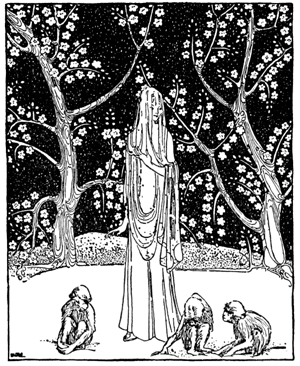
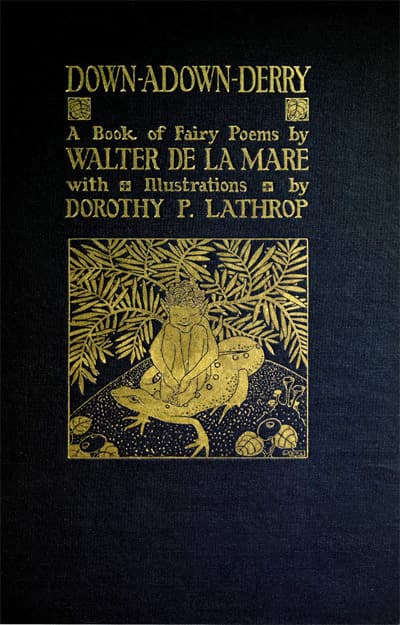
Books from the author



Link to this page
Add a free, dofollow link to Lex on your blog, forum, syllabus, or reading list.

<a href="https://lex-books.com/author/walter-de-la-mare"><img src="https://lex-books.com/badges/read-on-lex.svg" alt="Walter De la Mare on Lex" width="160" height="40"></a>[](https://lex-books.com/author/walter-de-la-mare)[url=https://lex-books.com/author/walter-de-la-mare][img]https://lex-books.com/badges/read-on-lex.svg[/img][/url]Walter De la Mare on Lex: https://lex-books.com/author/walter-de-la-mare