
Charles Sealsfield
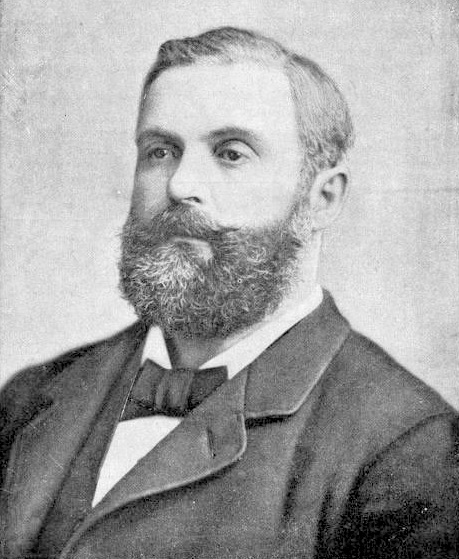
Charles Sealsfield, born Karl Anton Postl, was an Austrian-American novelist and journalist who played a significant role in the literary landscape of the 19th century. Advocating for German democracy, he spent formative years in the United States between 1822 and 1826, and again in 1828 and 1829, before ultimately becoming a U.S. citizen during his final stay from 1853 to 1858. His experiences in America deeply influenced his writing, leading him to create German-language Romantic novels that often featured American settings and themes, blending the cultures of his homeland and his adopted country. Sealsfield's notable works include his travelogues and novels that reflect the complexities of life in America during a time of significant change. His decision to keep his true identity hidden until after his death adds an intriguing layer to his legacy, as he sought to engage with his readers without the constraints of personal fame. After returning to Europe, he lived in Paris and London before settling in Switzerland, where he continued to write until his passing. Sealsfield's contributions to literature, particularly in the context of German-American relations and Romanticism, remain significant, as he offered a unique perspective on the American experience through a European lens.
Books from the author
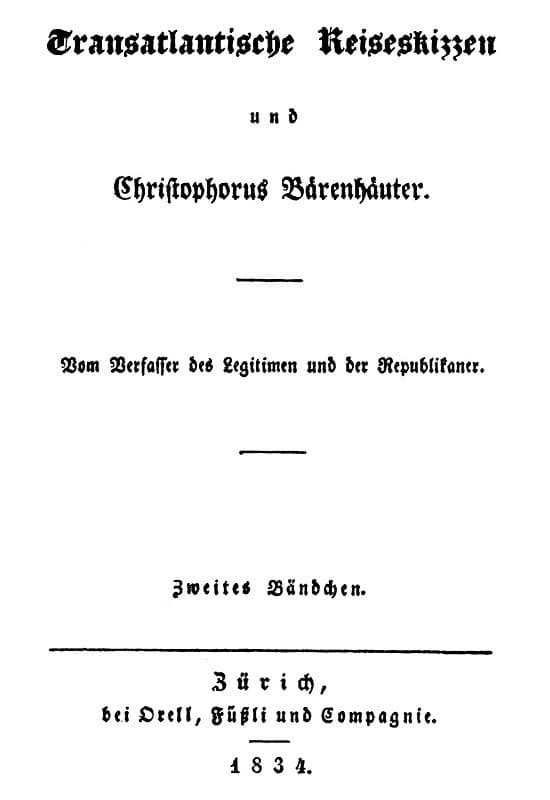
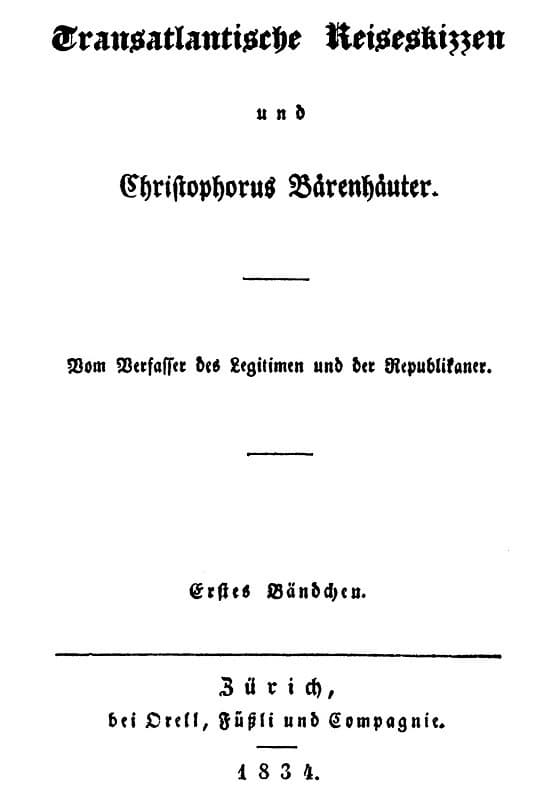


Link to this page
Add a free, dofollow link to Lex on your blog, forum, syllabus, or reading list.

<a href="https://lex-books.com/author/charles-sealsfield"><img src="https://lex-books.com/badges/read-on-lex.svg" alt="Charles Sealsfield on Lex" width="160" height="40"></a>[](https://lex-books.com/author/charles-sealsfield)[url=https://lex-books.com/author/charles-sealsfield][img]https://lex-books.com/badges/read-on-lex.svg[/img][/url]Charles Sealsfield on Lex: https://lex-books.com/author/charles-sealsfield