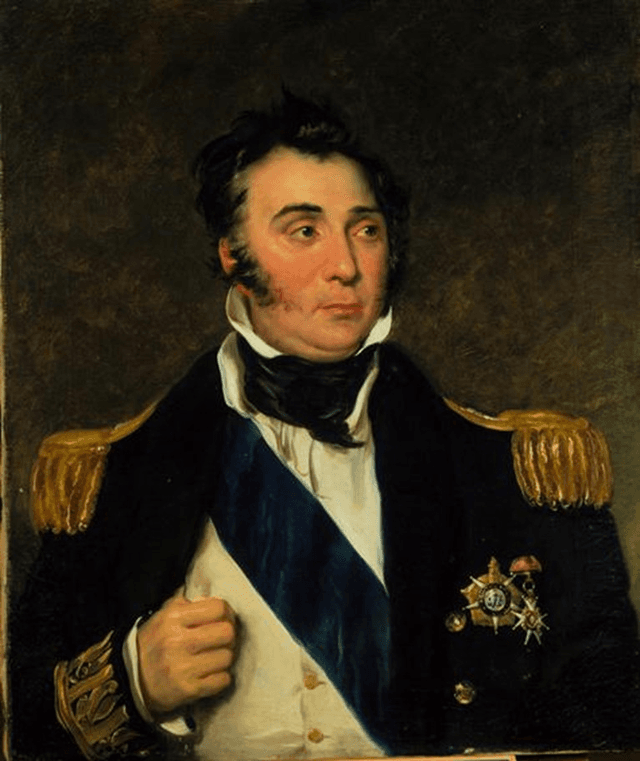
Charles Napier
Charles Napier was a British soldier and writer, best known for his detailed accounts of military campaigns in the 19th century. His most notable works, 'The War in Syria' (Volumes 1 and 2), provide a comprehensive narrative of the military operations during the Syrian campaign of 1840, which was part of the broader conflict involving the Ottoman Empire and its European adversaries. Napier's writings are characterized by their vivid descriptions and insightful observations, reflecting both his personal experiences as a commander and his broader understanding of military strategy and politics. In addition to his literary contributions, Napier was a significant military figure, serving in various capacities throughout his career, including notable engagements in India and the Mediterranean. His experiences shaped his perspectives on warfare, leadership, and the complexities of colonialism. Napier's works remain valuable for their firsthand insights into the challenges faced by military leaders of his time, and they contribute to the historical understanding of British military operations in the Middle East during the 19th century. His legacy endures through his writings, which continue to be referenced by historians and military scholars alike.
Famous Quotes
View all 5 quotes“Be it so. This burning of widows is your custom; prepare the funeral pile. But my nation has also a custom. When men burn women alive we hang them, and confiscate all their property. My carpenters shall therefore erect gibbets on which to hang all concerned when the widow is consumed. Let us all act according to national customs.[To Hindu priests complaining to him about the prohibition of Sati religious funeral practice of burning widows alive on her husband’s funeral pyre.]””
“So perverse is mankind that every nationality prefers to be misgoverned by its own people than to be well ruled by another””
“In 1843, after annexing the Indian province of Sind, British General Sir Charles Napier sent home a one word telegram, "Peccavi" implying "I have Sind..." (Napier was under explicit instructions that:1. He was not to attack Hyderabad.2. If provoked to fighting, he was under no conditions take Hyderabad's capital -- Sind.He then (according to the story) send the one word message Peccavi to London and of course all the recipients understood that he had violated his order and taken the city - the old British boy school Latin training...””
Books from the author

















Link to this page
Add a free, dofollow link to Lex on your blog, forum, syllabus, or reading list.

<a href="https://lex-books.com/author/charles-napier"><img src="https://lex-books.com/badges/read-on-lex.svg" alt="Charles Napier on Lex" width="160" height="40"></a>[](https://lex-books.com/author/charles-napier)[url=https://lex-books.com/author/charles-napier][img]https://lex-books.com/badges/read-on-lex.svg[/img][/url]Charles Napier on Lex: https://lex-books.com/author/charles-napier