
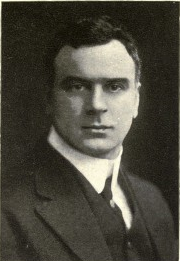
Cecil Chesterton
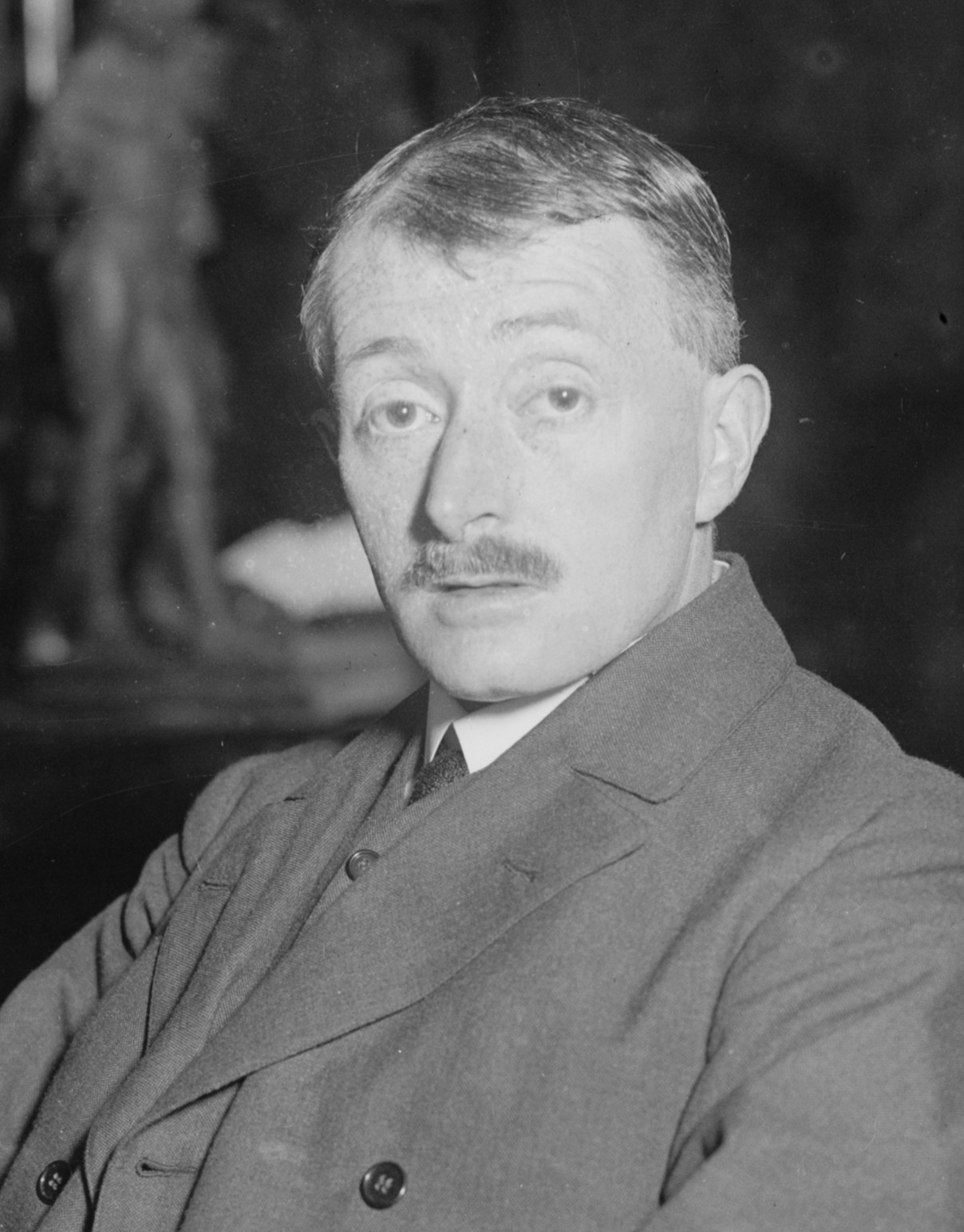
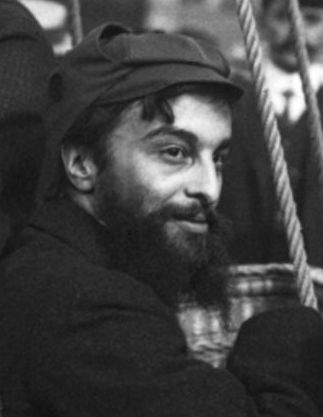
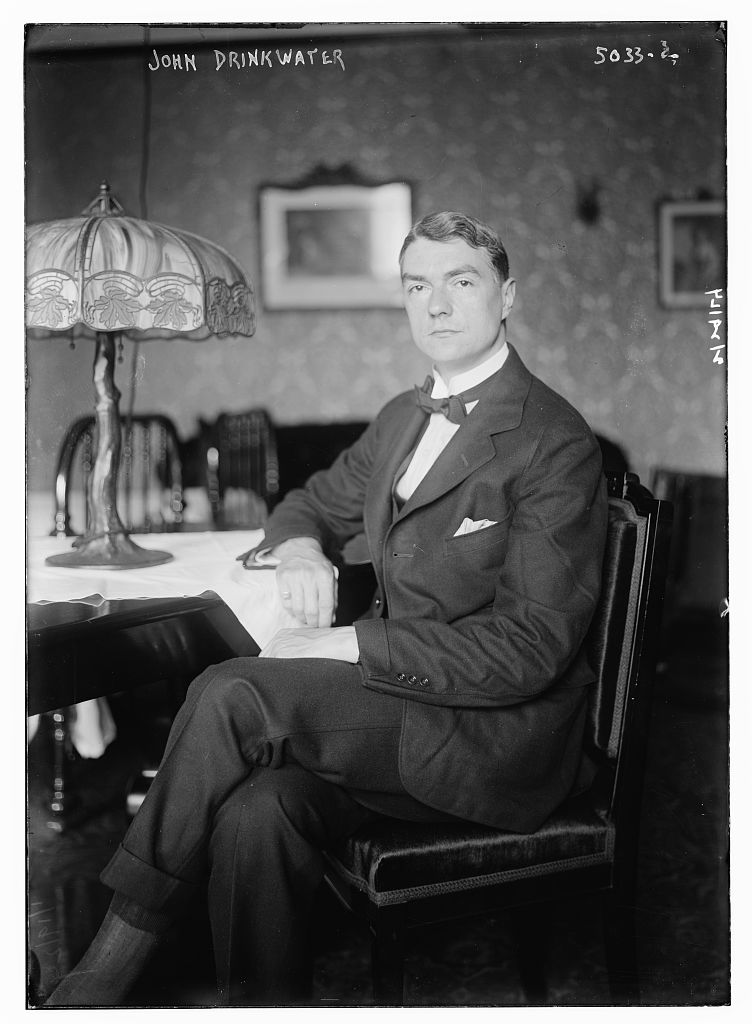
Cecil Edward Chesterton was an English journalist and political commentator who made significant contributions to early 20th-century media and political discourse. He served as the editor of The New Witness from 1912 to 1916, where he became known for his incisive commentary and investigative reporting. Chesterton's editorial leadership during the Marconi scandal, a major political controversy involving government corruption and the telecommunications industry, showcased his commitment to uncovering the truth and holding those in power accountable. His work not only highlighted pressing issues of the time but also influenced public opinion and political thought in Britain. In addition to his editorial work, Chesterton was a prolific writer, contributing essays and articles that reflected his views on society, politics, and culture. His writings often conveyed a sense of moral urgency and a desire for reform, positioning him as a significant figure in the landscape of British journalism. Despite his relatively short life, his impact on political commentary and journalism was notable, and he left behind a legacy that would inspire future generations of writers and journalists seeking to address social injustices and advocate for change.
Famous Quotes
View all 1 quotes“government "derives its just powers from the consent of the governed.”
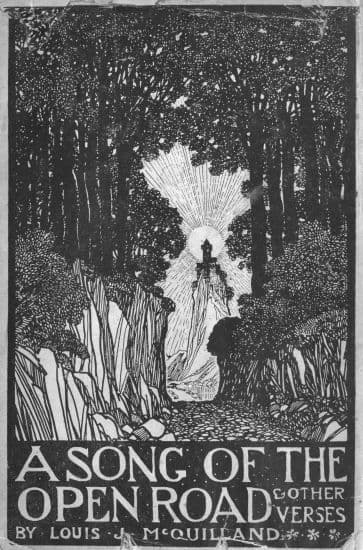
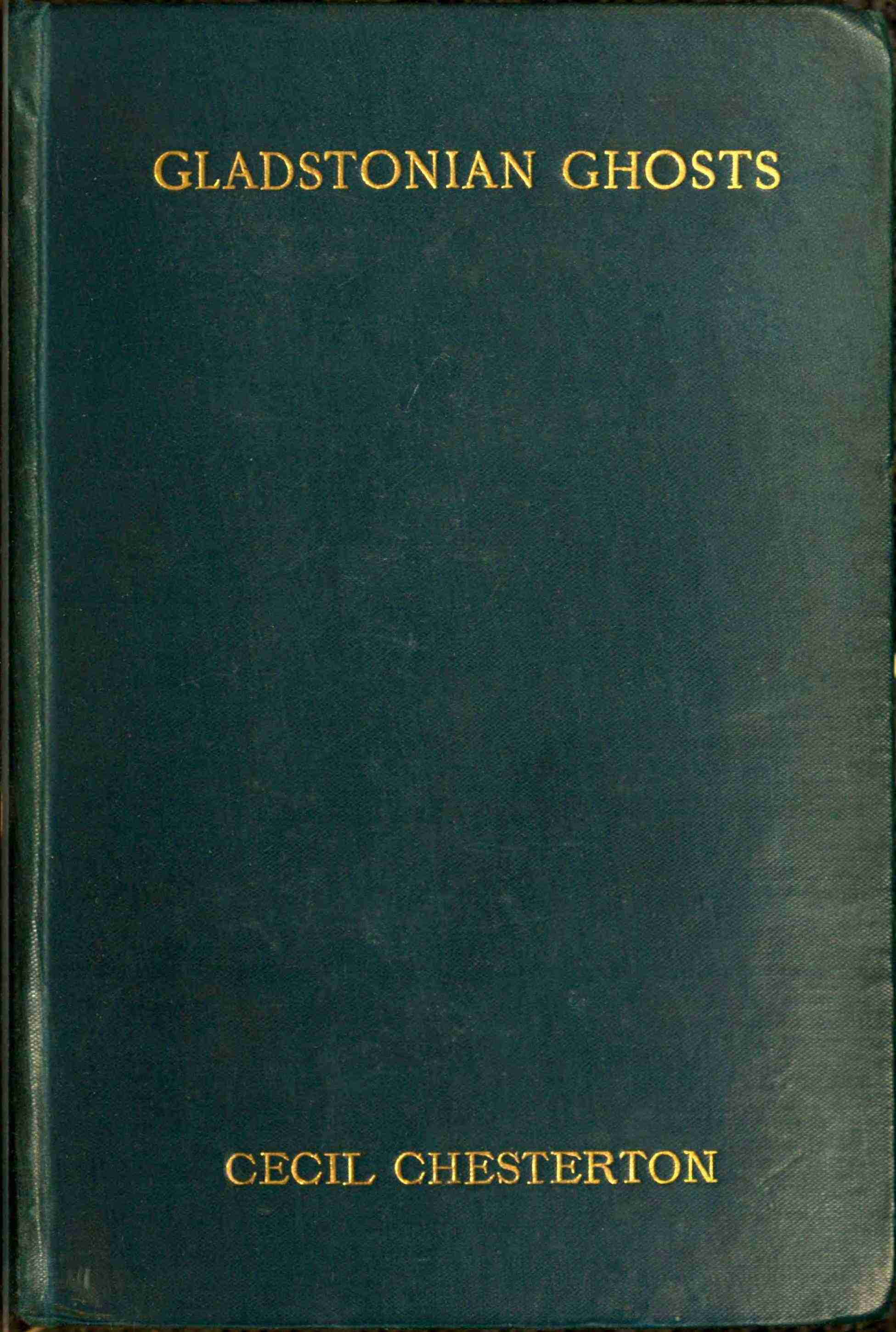
Books from the author



Link to this page
Add a free, dofollow link to Lex on your blog, forum, syllabus, or reading list.

<a href="https://lex-books.com/author/cecil-chesterton"><img src="https://lex-books.com/badges/read-on-lex.svg" alt="Cecil Chesterton on Lex" width="160" height="40"></a>[](https://lex-books.com/author/cecil-chesterton)[url=https://lex-books.com/author/cecil-chesterton][img]https://lex-books.com/badges/read-on-lex.svg[/img][/url]Cecil Chesterton on Lex: https://lex-books.com/author/cecil-chesterton