Letters to Persons Who Are Engaged in Domestic Service
1842
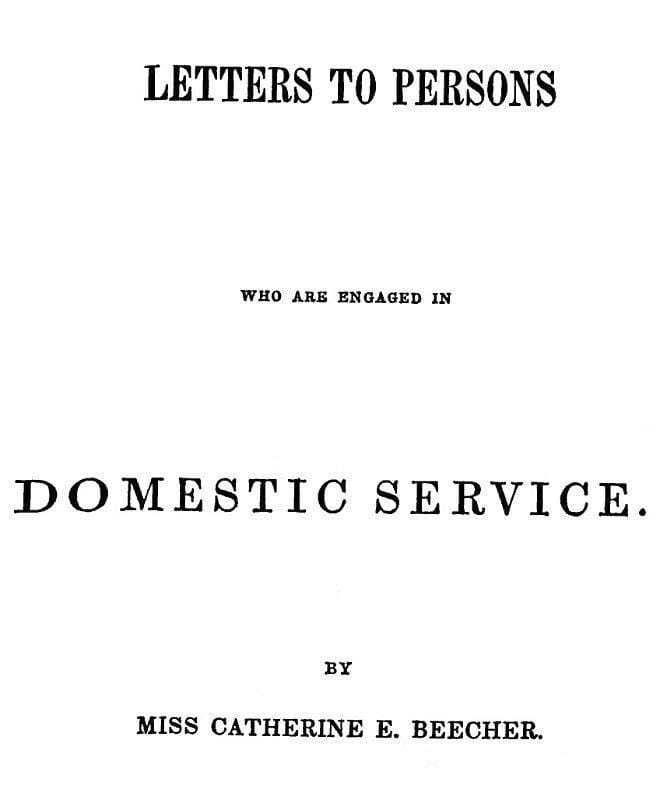
Letters to Persons Who Are Engaged in Domestic Service
1842
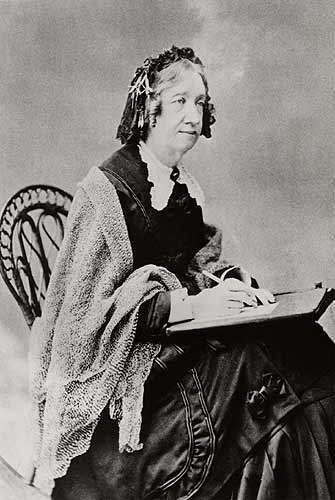
In 1842, Catharine Esther Beecher did something radical: she told domestic servants they deserved respect. Written as a series of intimate letters, this guidebook argues that the woman who scrubs your floors or minds your children performs work of genuine dignity and consequence. Beecher draws on her observations from traveling across American households to construct a passionate defense of domestic labor, framing it not as mere employment but as a form of partnership within the family unit. She addresses the social stigma that demeaned servants, the loneliness of leaving one's family for service, and the profound influence domestics wielded over the children in their care. The letters combine practical advice with moral philosophy, insisting that fulfilling one's duties with integrity brings honor regardless of one's station. For modern readers, the book functions as a fascinating time capsule revealing the complex power dynamics of 19th-century households, while also demonstrating that arguments about the dignity of work are far older than the 20th century. It captures both the paternalistic warmth and the inevitable limitations of antebellum reform.
Editions

Link to this book
Add a free, dofollow link to Lex on your blog, forum, syllabus, or reading list.

<a href="https://lex-books.com/book/letters-to-persons-who-are-engaged-in-domestic-service-054aa21e-ebec-408c-aadb-07bae9fe728d"><img src="https://lex-books.com/badges/read-on-lex.svg" alt="Read Letters to Persons Who Are Engaged in Domestic Service by Catharine Esther Beecher free on Lex" width="160" height="40"></a>[](https://lex-books.com/book/letters-to-persons-who-are-engaged-in-domestic-service-054aa21e-ebec-408c-aadb-07bae9fe728d)[url=https://lex-books.com/book/letters-to-persons-who-are-engaged-in-domestic-service-054aa21e-ebec-408c-aadb-07bae9fe728d][img]https://lex-books.com/badges/read-on-lex.svg[/img][/url]Read Letters to Persons Who Are Engaged in Domestic Service by Catharine Esther Beecher free on Lex: https://lex-books.com/book/letters-to-persons-who-are-engaged-in-domestic-service-054aa21e-ebec-408c-aadb-07bae9fe728dCite this book
Reading this edition for a paper or guide? Copy a citation.
Beecher, Catharine Esther. Letters to Persons Who Are Engaged in Domestic Service. Lex, lex-books.com/book/letters-to-persons-who-are-engaged-in-domestic-service-054aa21e-ebec-408c-aadb-07bae9fe728d.Beecher, C. E. (1842). Letters to Persons Who Are Engaged in Domestic Service. Lex. https://lex-books.com/book/letters-to-persons-who-are-engaged-in-domestic-service-054aa21e-ebec-408c-aadb-07bae9fe728dBeecher, Catharine Esther. Letters to Persons Who Are Engaged in Domestic Service. Lex. https://lex-books.com/book/letters-to-persons-who-are-engaged-in-domestic-service-054aa21e-ebec-408c-aadb-07bae9fe728d.