Harvey Newcomb
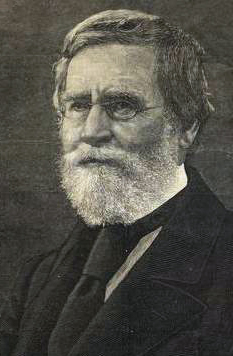
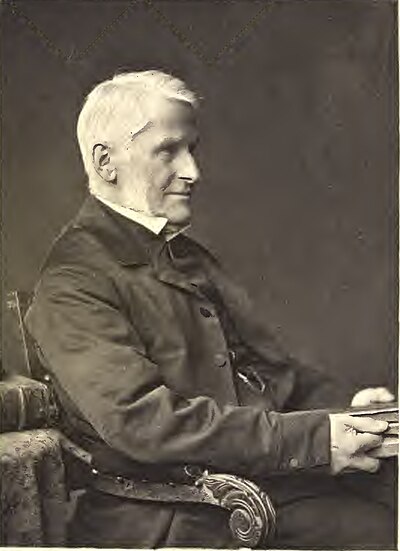
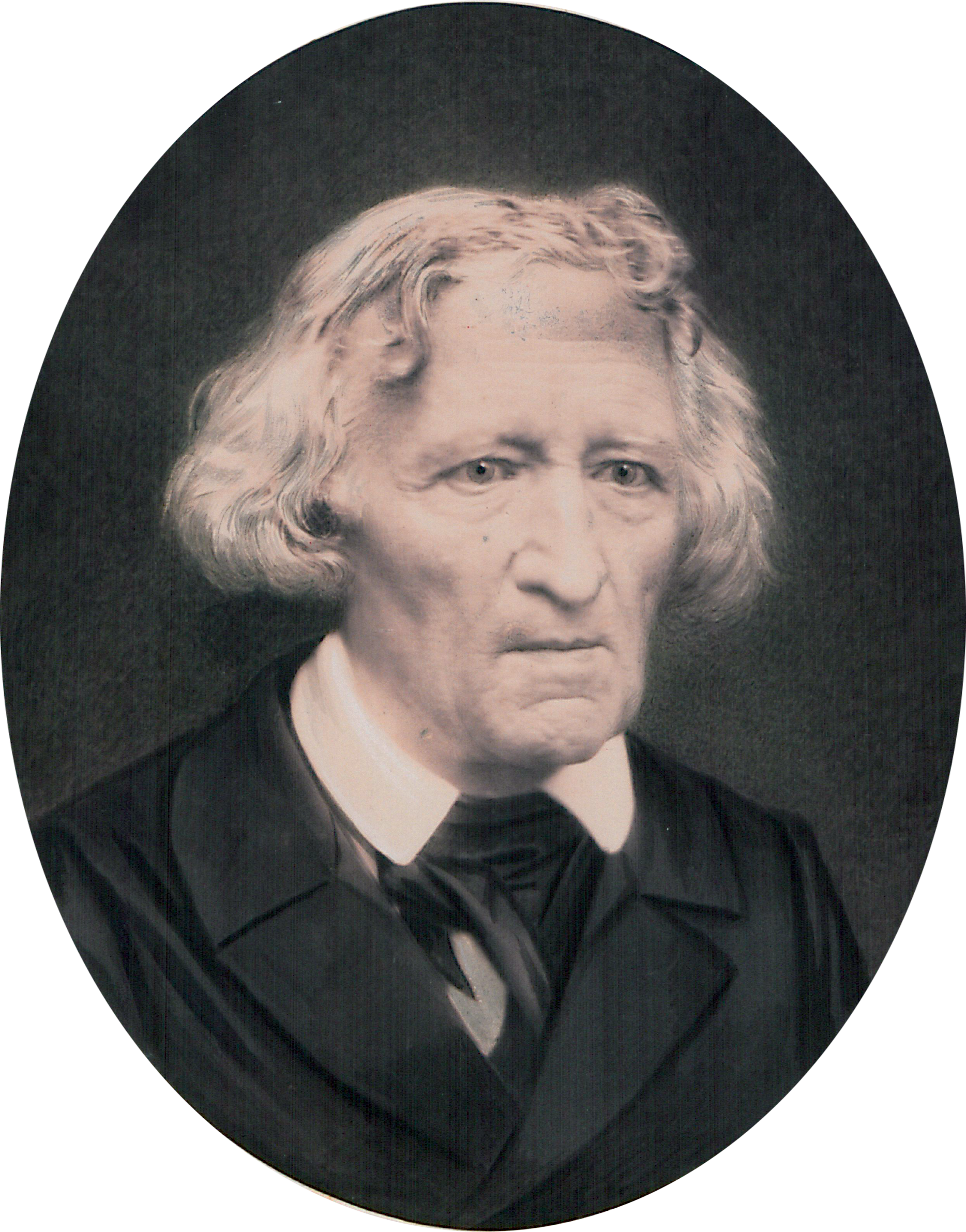
Harvey Newcomb was an influential American clergyman and prolific writer known for his extensive contributions to religious literature and children's education. Born in Thetford, Vermont, he moved to western New York in 1818, where he spent eight years as a teacher before transitioning into journalism. From 1826 to 1831, he edited several journals, including the notable Christian Herald, and later worked as an editor for the Boston Traveller and as an assistant editor for the New York Observer. His pastoral work included preaching at the Park Street mission church in Brooklyn and serving as a pastor in Hancock, Pennsylvania, from 1859 until his death. Newcomb's literary output was remarkable, with 178 published volumes to his name. His works encompassed a variety of subjects, including church history and moral guidance for youth. Notable titles include 'Young Lady's Guide' (1839), 'How to be a Man' (1846), and 'How to be a Lady' (1846), which provided practical advice and ethical instruction for young people. He also authored the 'Cyclopedia of Missions' (1854) and a two-volume work on the 'Manners and Customs of the North American Indians' (1835). Newcomb's writings not only reflected the values of his time but also aimed to educate and uplift the moral standards of society, leaving a lasting impact on American religious literature and children's books.
Books from the author



Link to this page
Add a free, dofollow link to Lex on your blog, forum, syllabus, or reading list.

<a href="https://lex-books.com/author/harvey-newcomb"><img src="https://lex-books.com/badges/read-on-lex.svg" alt="Harvey Newcomb on Lex" width="160" height="40"></a>[](https://lex-books.com/author/harvey-newcomb)[url=https://lex-books.com/author/harvey-newcomb][img]https://lex-books.com/badges/read-on-lex.svg[/img][/url]Harvey Newcomb on Lex: https://lex-books.com/author/harvey-newcomb