Carl Schneider
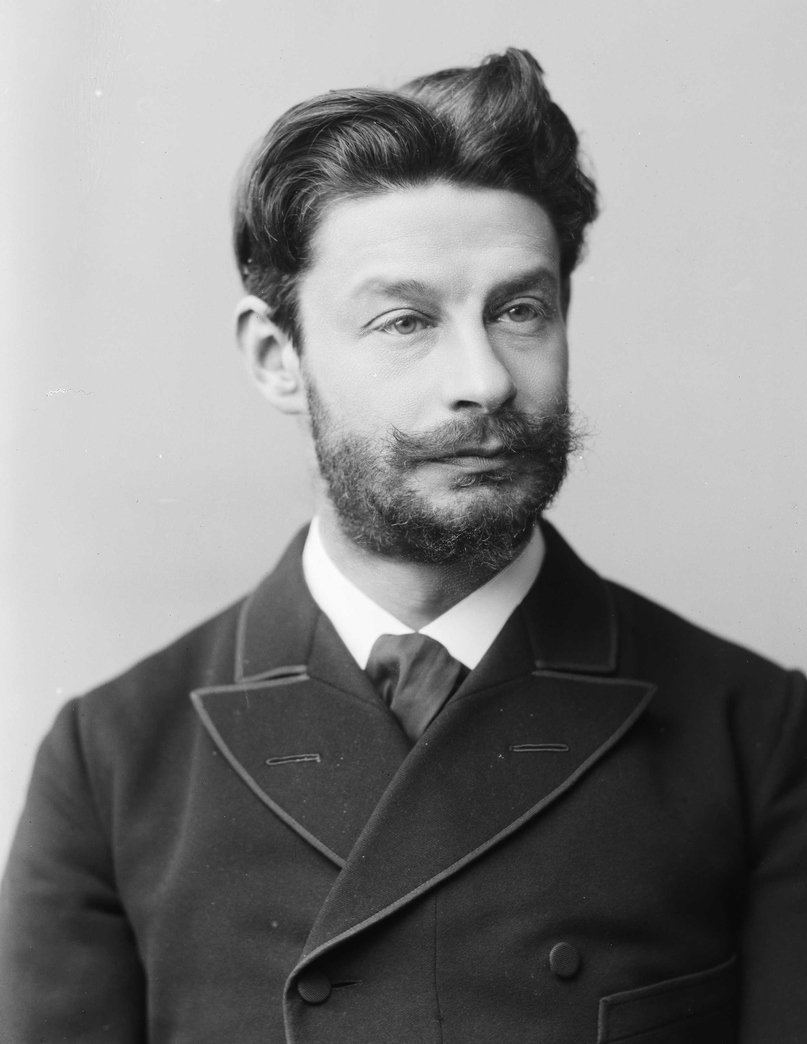
Carl Schneider was a prominent psychiatrist and professor at Heidelberg University, where he served as chairman of the department of Psychiatry from 1933 to 1945. Born in Gembitz, Kreis Mogilno, Schneider initially demonstrated a commitment to psychiatric rehabilitation and an idealistic vision for transforming the treatment of patients deemed regressed or isolated. However, his career took a dark turn as he became increasingly aligned with Nazi ideology, joining the Nazi Party in 1932. Schneider's work exemplified the troubling intersection of psychiatry and the totalitarian state, as he contributed to the Action T4 euthanasia program, which aimed to eliminate those considered 'unfit' from society. Schneider's theories were deeply rooted in the psychological assumptions of Nazi science, coining the term 'national therapy' to justify ethnic cleansing. His research practices were horrific, involving the collection of brains from murdered Jews and mentally handicapped children for study. He also taught a controversial technique for enhancing brain imaging, reflecting a chilling blend of scientific inquiry and moral depravity. Schneider's legacy serves as a stark reminder of the potential for medical professionals to become complicit in state-sponsored atrocities, raising critical ethical questions about the responsibilities of those in the field of psychiatry and medicine.
Famous Quotes
View all 1 quotes“But the thing that I remember most about our first meeting was the discussion about marijuana and the changing attitudes about its use and regulation. We speculated about why there hadn’t been appreciable movement toward legalizing recreational cannabis in the southern portion of the United States. At the start of 2016, weed was legal for adult use in four states: Alaska, Colorado, Oregon, and Washington. By the end of that year, four more states had legalized the drug: California, Maine, Massachusetts, and Nevada. None of these states had a black population as high as the national average of 12 percent. By contrast, the proportion of black citizens living in many southern states is larger than the national average, and cops in these regions routinely cite the smell of cannabis as justification for stopping, searching, or detaining black people. Judge Schneider speculated that the law-enforcement community and their supporters would vigorously oppose any legislation seeking to liberalize cannabis laws because they were acutely aware that claiming to detect the weed’s odor is one of the easiest ways for officers to establish probable cause, and judges almost never question the testimony of cops. What’s worse, there have been countless cases during which officers cited the fictitious dangers posed by cannabis to justify their deadly actions. On July 6, 2016, in St. Anthony, Minnesota, officer Jeronimo Yanez shot and killed Philando Castile, a defenseless black motorist, as his girlfriend and young daughter watched helplessly. Castile informed the officer that he had a firearm on him, for which he had a permit. But within a matter of seconds, Yanez had fired seven slugs into Castile for no apparent reason. The smell of weed, Yanez claimed, constituted an apparent imminent danger. He was acquitted of manslaughter.””
Books from the author




Link to this page
Add a free, dofollow link to Lex on your blog, forum, syllabus, or reading list.

<a href="https://lex-books.com/author/carl-schneider"><img src="https://lex-books.com/badges/read-on-lex.svg" alt="Carl Schneider on Lex" width="160" height="40"></a>[](https://lex-books.com/author/carl-schneider)[url=https://lex-books.com/author/carl-schneider][img]https://lex-books.com/badges/read-on-lex.svg[/img][/url]Carl Schneider on Lex: https://lex-books.com/author/carl-schneider