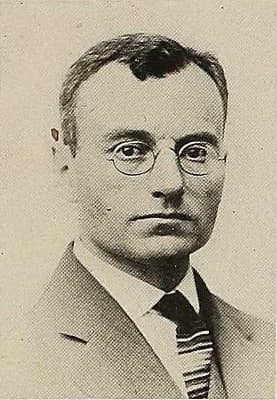
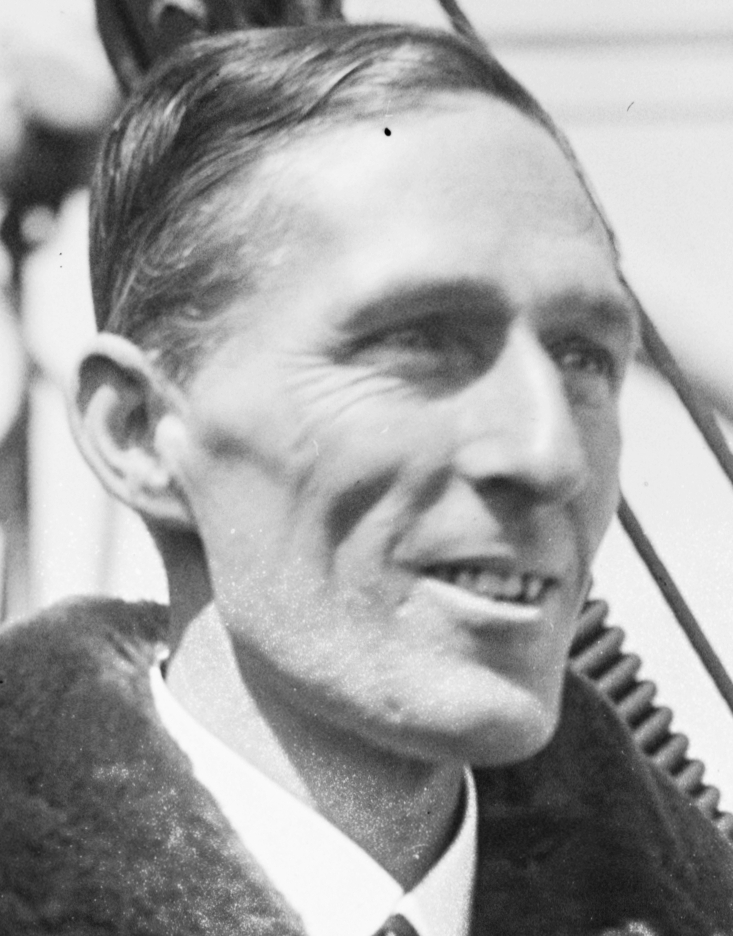
Carl L. Becker
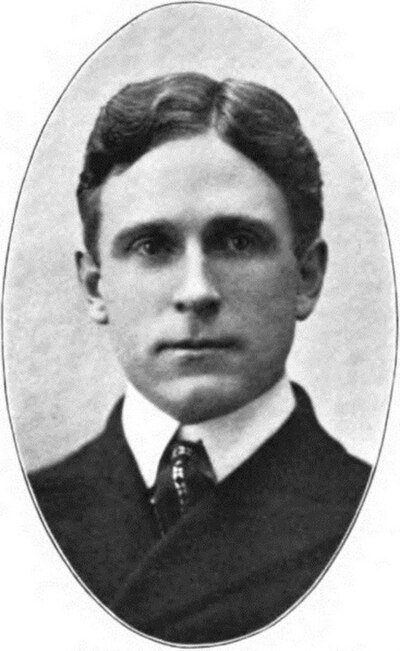
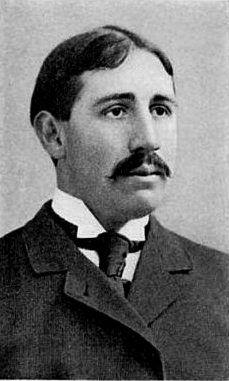
Carl L. Becker was an influential American historian known for his work on early American history and the philosophy of history. Born in 1873, he pursued his education at the University of Wisconsin, where he developed a keen interest in the American Revolution and the founding of the United States. Becker's scholarship was characterized by a commitment to understanding history not just as a series of events, but as a complex interplay of ideas and cultural contexts. His notable works include 'The Declaration of Independence: A Study in the History of Political Ideas' and 'Everyman His Own Historian,' where he argued for the importance of individual perspectives in the understanding of history. Becker's contributions extended beyond his writings; he was a prominent figure in the academic community, advocating for a more inclusive approach to historical study. His emphasis on the role of the historian as a participant in the interpretation of history helped shape modern historiography. He was also a key figure in the development of the American Historical Association and served as its president. Becker's legacy endures through his innovative ideas about the nature of history and the importance of narrative in understanding the past, influencing generations of historians and scholars who followed him.
Famous Quotes
View all 1 quotes“The amelioration of society was the very thing Philosophers had most at heart, and surely it was eminently fitting that they should be called in to tutor princes.””
Books from the author




Link to this page
Add a free, dofollow link to Lex on your blog, forum, syllabus, or reading list.

<a href="https://lex-books.com/author/carl-l-becker"><img src="https://lex-books.com/badges/read-on-lex.svg" alt="Carl L. Becker on Lex" width="160" height="40"></a>[](https://lex-books.com/author/carl-l-becker)[url=https://lex-books.com/author/carl-l-becker][img]https://lex-books.com/badges/read-on-lex.svg[/img][/url]Carl L. Becker on Lex: https://lex-books.com/author/carl-l-becker