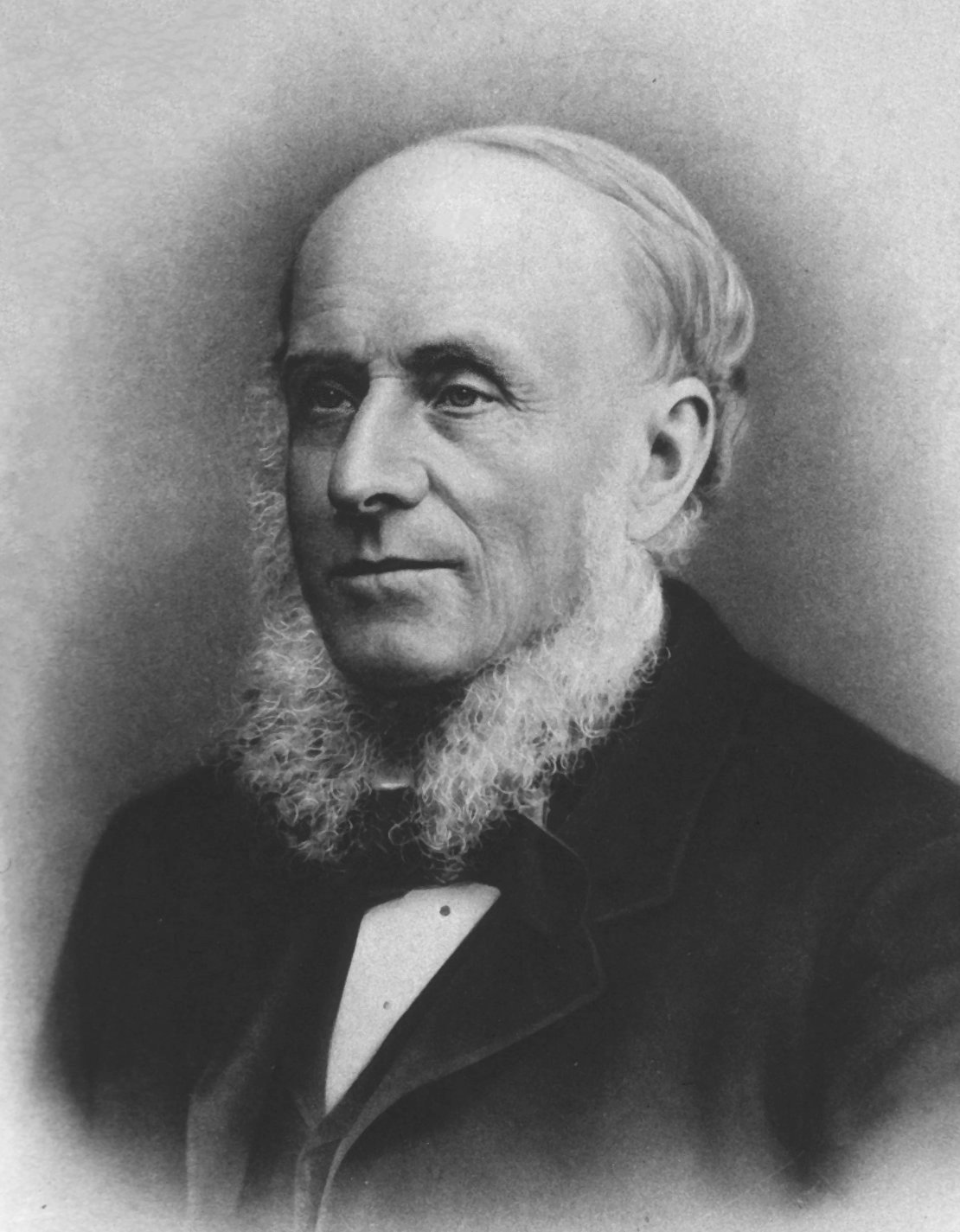
Calvin Cutter
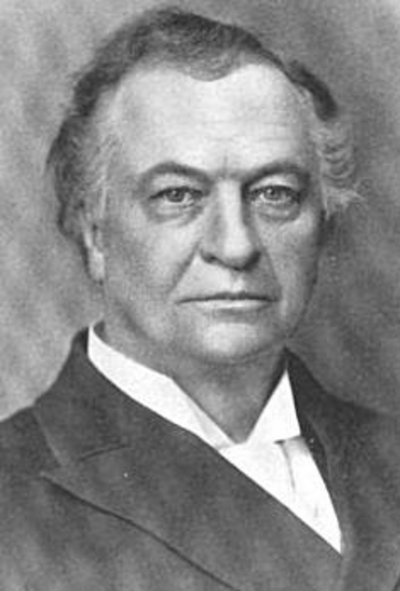
Calvin Cutter was an American physician and educator known for his significant contributions to the fields of anatomy, physiology, and hygiene during the 19th century. His works were among the first to systematically present these subjects in a manner accessible to students and families, reflecting the growing interest in health education during his time. Cutter's most notable publication, 'A Treatise on Anatomy, Physiology, and Hygiene,' went through several revised editions, indicating its importance and widespread use in educational institutions. He aimed to provide a comprehensive understanding of the human body and its functions, emphasizing the importance of hygiene in maintaining health. Cutter's influence extended beyond academia; his texts were designed for a variety of audiences, including colleges, academies, and families, making complex scientific concepts approachable for the general public. His pioneering approach to teaching anatomy and physiology laid the groundwork for future educational materials in the health sciences. By integrating practical hygiene advice with anatomical knowledge, Cutter contributed to a broader public understanding of health, which was particularly relevant in an era marked by rapid advancements in medical science and public health initiatives. His legacy endures in the continued emphasis on health education in schools and communities.
Books from the author


Link to this page
Add a free, dofollow link to Lex on your blog, forum, syllabus, or reading list.

<a href="https://lex-books.com/author/calvin-cutter"><img src="https://lex-books.com/badges/read-on-lex.svg" alt="Calvin Cutter on Lex" width="160" height="40"></a>[](https://lex-books.com/author/calvin-cutter)[url=https://lex-books.com/author/calvin-cutter][img]https://lex-books.com/badges/read-on-lex.svg[/img][/url]Calvin Cutter on Lex: https://lex-books.com/author/calvin-cutter