
C. S. Lewis
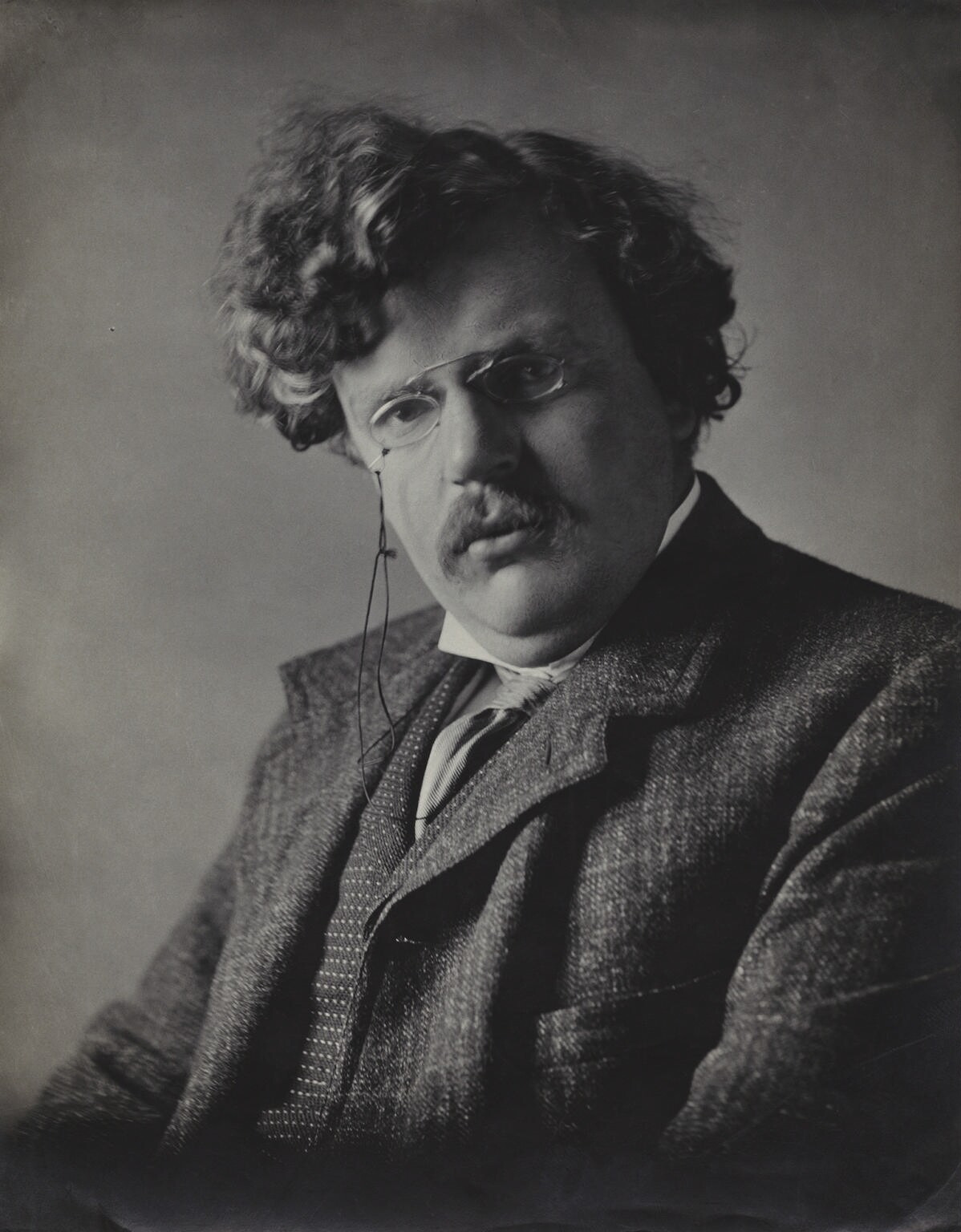
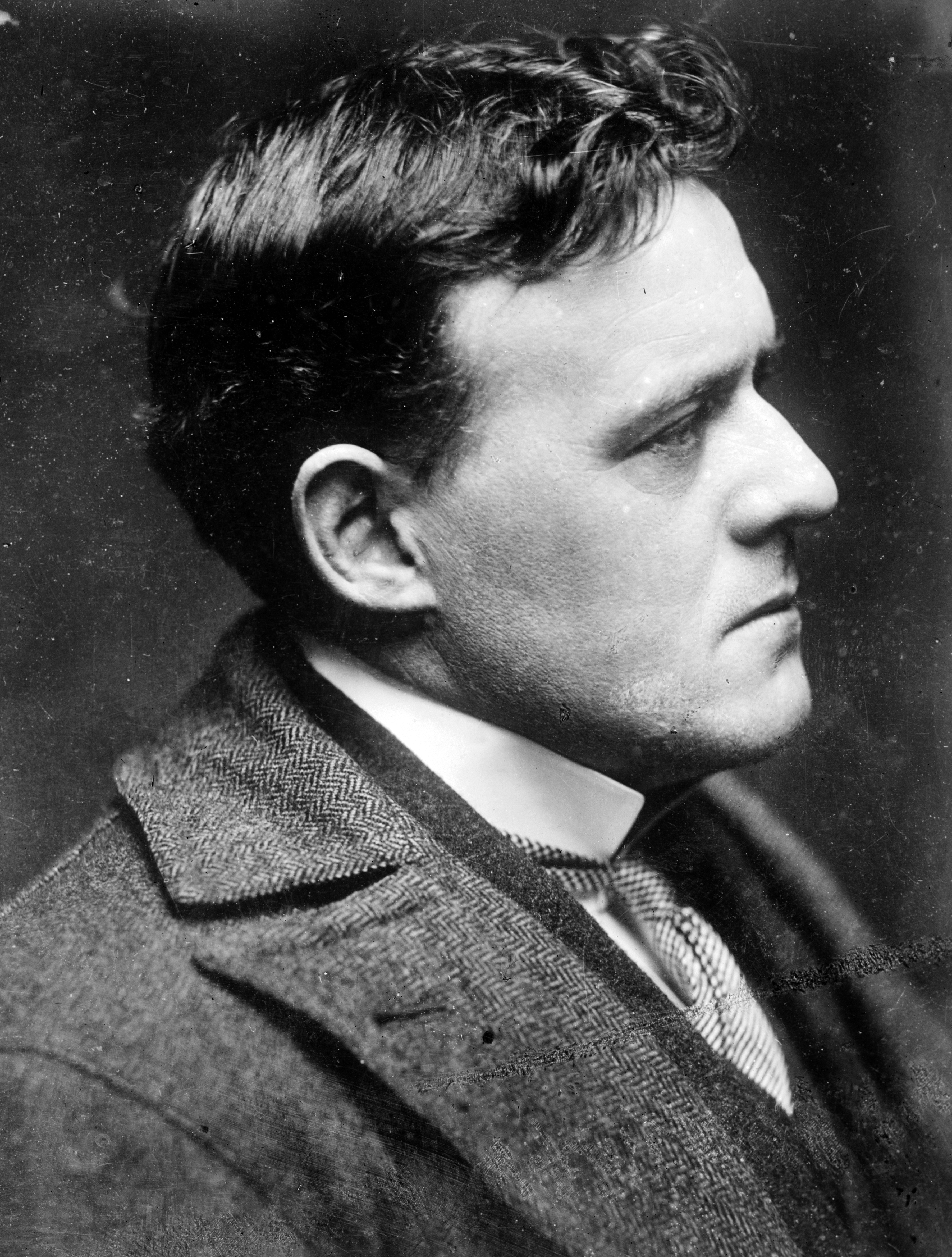
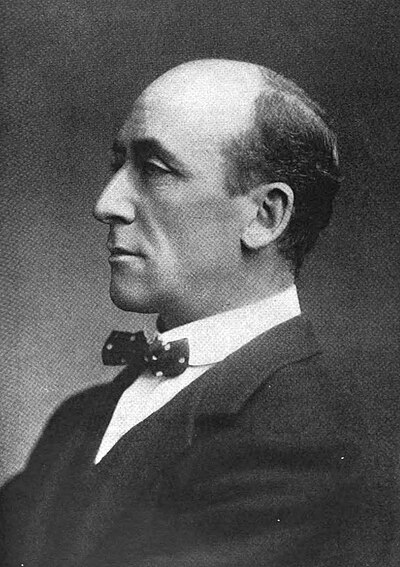
C. S. Lewis was a British writer and scholar, renowned for his contributions to literature, theology, and philosophy. Born in Belfast, he served in World War I before pursuing an academic career, eventually becoming a fellow and tutor at Magdalen College, Oxford. Lewis's literary output spans various genres, but he is best known for his works of fiction, including 'The Chronicles of Narnia' series, which has captivated readers with its imaginative storytelling and allegorical depth. His early works, such as 'Spirits in Bondage: A Cycle of Lyrics' and 'Dymer,' showcase his poetic talent and exploration of complex themes, reflecting his evolving thoughts on spirituality and human experience. Lewis's writings often grapple with the intersection of faith and reason, making significant contributions to Christian apologetics through works like 'Mere Christianity' and 'The Problem of Pain.' His ability to articulate profound theological concepts in accessible language has influenced countless readers and thinkers. Lewis's legacy endures not only through his literary achievements but also through his role in shaping modern Christian thought, making him a pivotal figure in 20th-century literature and theology.
Books from the author









Link to this page
Add a free, dofollow link to Lex on your blog, forum, syllabus, or reading list.

<a href="https://lex-books.com/author/c-s-lewis"><img src="https://lex-books.com/badges/read-on-lex.svg" alt="C. S. Lewis on Lex" width="160" height="40"></a>[](https://lex-books.com/author/c-s-lewis)[url=https://lex-books.com/author/c-s-lewis][img]https://lex-books.com/badges/read-on-lex.svg[/img][/url]C. S. Lewis on Lex: https://lex-books.com/author/c-s-lewis