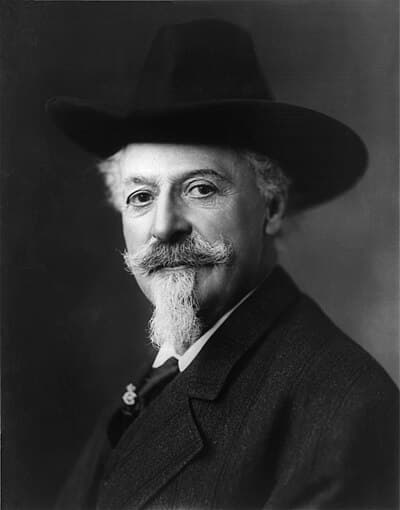
Buffalo Bill
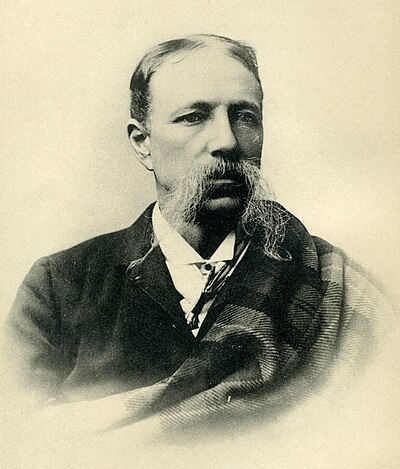
Buffalo Bill, born William Frederick Cody, was a legendary American frontiersman, showman, and cultural icon of the American West. He gained fame as a buffalo hunter and scout during the late 19th century, but his most significant contribution to American culture came through his creation of the Wild West show. This traveling spectacle, which debuted in 1883, showcased the skills of cowboys, Native Americans, and sharpshooters, and played a pivotal role in shaping the mythos of the American frontier. His show featured thrilling reenactments of historical events, such as the Battle of the Little Bighorn, and introduced audiences to figures like Annie Oakley and Sitting Bull, blending entertainment with a portrayal of American history that captivated audiences both domestically and abroad. Buffalo Bill's legacy extends beyond his performances; he was instrumental in popularizing the image of the cowboy as a quintessential American hero. His shows contributed to the romanticized view of the West, influencing literature, film, and the broader cultural narrative of America. Despite the controversies surrounding the portrayal of Native Americans in his shows, Buffalo Bill remains a significant figure in American history, embodying the complexities of the Westward Expansion and the ongoing dialogue about American identity. His life and work continue to be studied for their impact on American culture and the enduring fascination with the Wild West.
Famous Quotes
View all 3 quotes“People in the West like to shoot things. When they first got to the West they shot buffalo. Once there were 70 million buffalo on the plains and then the people of the West started blasting away at them. Buffalo are just cows with big heads. If you've ever looked a cow in the face and seen the unutterable depths of trust and stupidity that lie within, you will be able to guess how difficult it must have been for people in the West to track down buffalo and shoot them to pieces. By 1895, there were only 800 buffalo left, mostly in zoos and touring Wild West shows. With no buffalo left to kill, Westerners started shooting Indians. Between 1850 and 1890 they reduced the number of Indians in America from two million to 90,000.Nowadays, thank goodness, both have made a recovery. Today there are 30,000 buffalo and 300,000 Indiands, and of course you are not allowed to shoot either, so all the Westerners have left to shoot at are road signs and each other, both of which they do rather a lot. There you have a capsule history of the West.””
“The people of Cody like you to think that Buffalo Bill was a native son. In fact, I’m awfully proud to tell you, he was an Iowa native, born in the little town of Le Claire in 1846. The people of Cody, in one of the more desperate commercial acts of this century, bought Buffalo Bill’s birthplace and re-erected it in their town, but they are lying through their teeth when they hint that he was a local. And the thing is, they have a talented native son of their own. Jackson Pollock, the artist, was born in Cody. But they don’t make anything of that because, I suppose, Pollock was a complete wanker when it came to shooting buffalo.””
“With the canal, the cost of shipping a ton of flour from Buffalo to New York City fell from $120 a ton to $6 a ton, and the carrying time was reduced from three weeks to just over one. The effect on New York’s fortunes was breathtaking. Its share of national exports leaped from less than 10 percent in 1800 to over 60 percent by the middle of the century; in the same period, even more dazzlingly, its population went from ten thousand to well over half a million.””
Books from the author
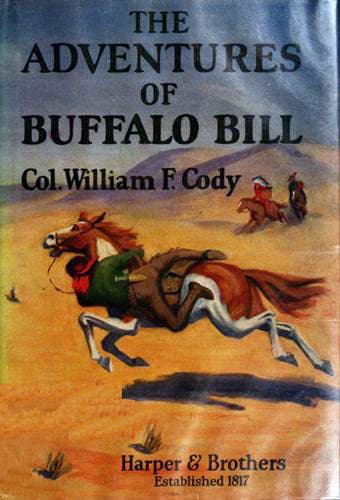




Link to this page
Add a free, dofollow link to Lex on your blog, forum, syllabus, or reading list.

<a href="https://lex-books.com/author/buffalo-bill"><img src="https://lex-books.com/badges/read-on-lex.svg" alt="Buffalo Bill on Lex" width="160" height="40"></a>[](https://lex-books.com/author/buffalo-bill)[url=https://lex-books.com/author/buffalo-bill][img]https://lex-books.com/badges/read-on-lex.svg[/img][/url]Buffalo Bill on Lex: https://lex-books.com/author/buffalo-bill