
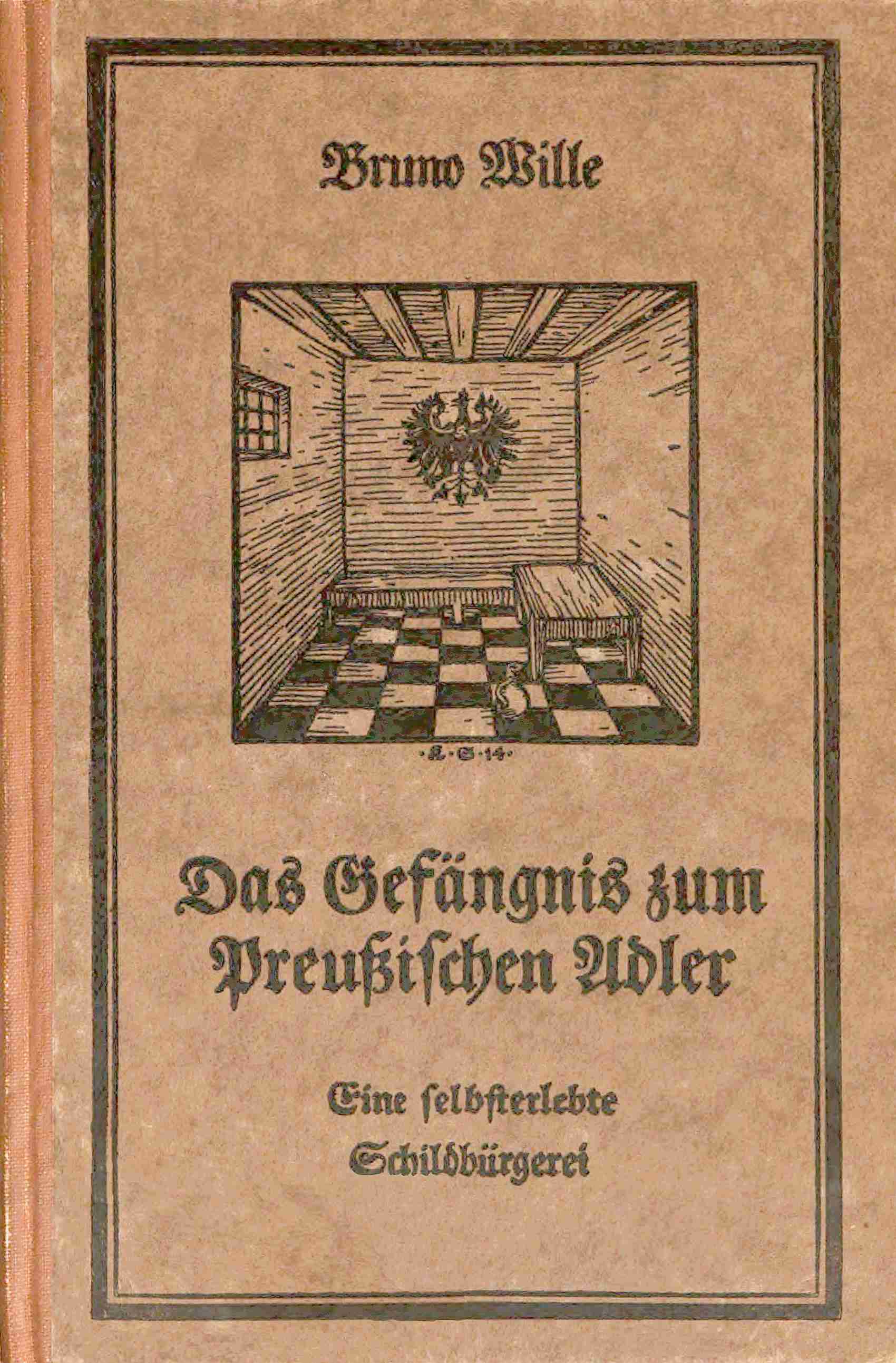
Bruno Wille
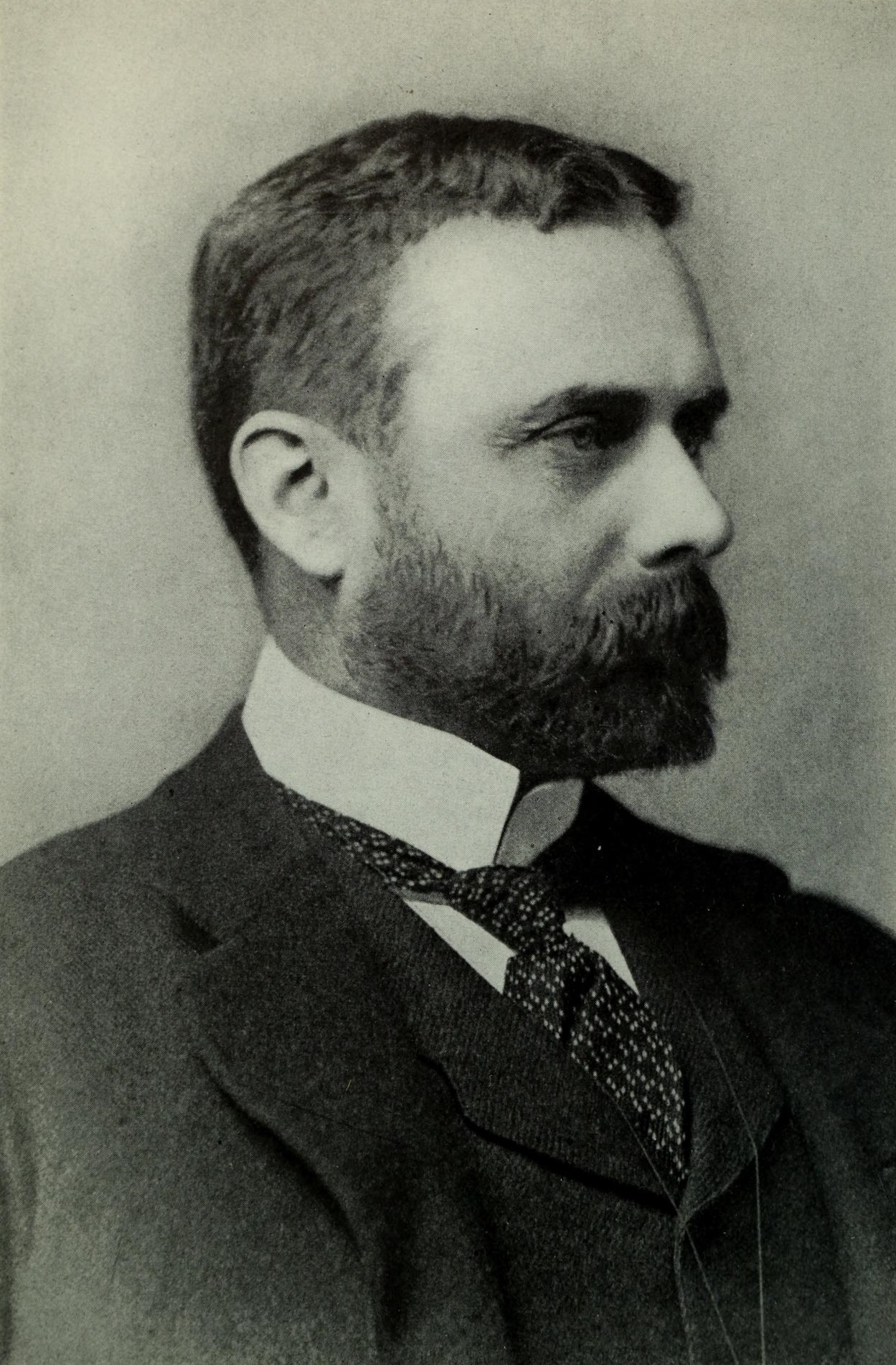
Bruno Wille was a German politician, writer, and journalist known for his contributions to social and political discourse in the late 19th and early 20th centuries. Born in Magdeburg, Wille's early career was marked by his engagement in various political movements, particularly those advocating for social reform and workers' rights. His writings often reflected his commitment to these causes, blending literary expression with a keen awareness of contemporary social issues. Wille's work included essays, articles, and fiction, through which he sought to illuminate the struggles of the working class and promote progressive ideals. Wille's literary significance lies in his ability to intertwine political activism with his writing, making him a notable figure in the German literary landscape of his time. His works, while not as widely recognized today, contributed to the broader discourse on social justice and reform, influencing contemporaries and later generations of writers and activists. His legacy is one of passionate advocacy for the marginalized, as he used his platform to challenge societal norms and inspire change through both his political endeavors and literary contributions.
Famous Quotes
View all 8 quotes“If the law can be broken it will. Anyone who breaks the law is a risk. You can break the law. So you see, I have to take you in for questioning. This produce stand has an ominous future.””
“We are wont to say that it was not in our power to choose the parents who fell to our lot, that they have been given to men by chance; yet we may be the sons of whomsoever we will. Households there are of noblest intellects; choose the one into which you wish to be adopted; you will inherit not merely their name, but even their property, which there will be no need to guard in a mean or niggardly spirit; the more persons you share it with, the greater it will become. These will open to you the path to immortality, and will raise you to a height from which no one is cast down. This is the only way of prolonging mortality”
“The fairy tale offers the child hope that someday the kingdom will be his. Since the child cannot settle for less, but does not believe that he can achieve this kingdom on his own, the fairy tale tells him that magic forces will come to his aid. This rekindles hope, which without such fantasy would be extinguished by harsh reality. Since the fairy tale promises the type of triumph the child wishes for, it is psychologically convincing as no "realistic" tale can be. And because it pledges that the kingdom will be his, the child is willing to believe the rest of what the fairy story teaches: that one must leave home to find one's kingdom; that it cannot be gained immediately; that risks must be taken, trials submitted to; that it cannot be done all by oneself, but that one needs helpers; and that to secure their aid, one must meet some of their demands. Just because the ultimate promise coincides with the child's wishes for revenge and a glorious existence, the fairy tale enriches the child's fantasy beyond compare.””
Books from the author


Link to this page
Add a free, dofollow link to Lex on your blog, forum, syllabus, or reading list.

<a href="https://lex-books.com/author/bruno-wille"><img src="https://lex-books.com/badges/read-on-lex.svg" alt="Bruno Wille on Lex" width="160" height="40"></a>[](https://lex-books.com/author/bruno-wille)[url=https://lex-books.com/author/bruno-wille][img]https://lex-books.com/badges/read-on-lex.svg[/img][/url]Bruno Wille on Lex: https://lex-books.com/author/bruno-wille