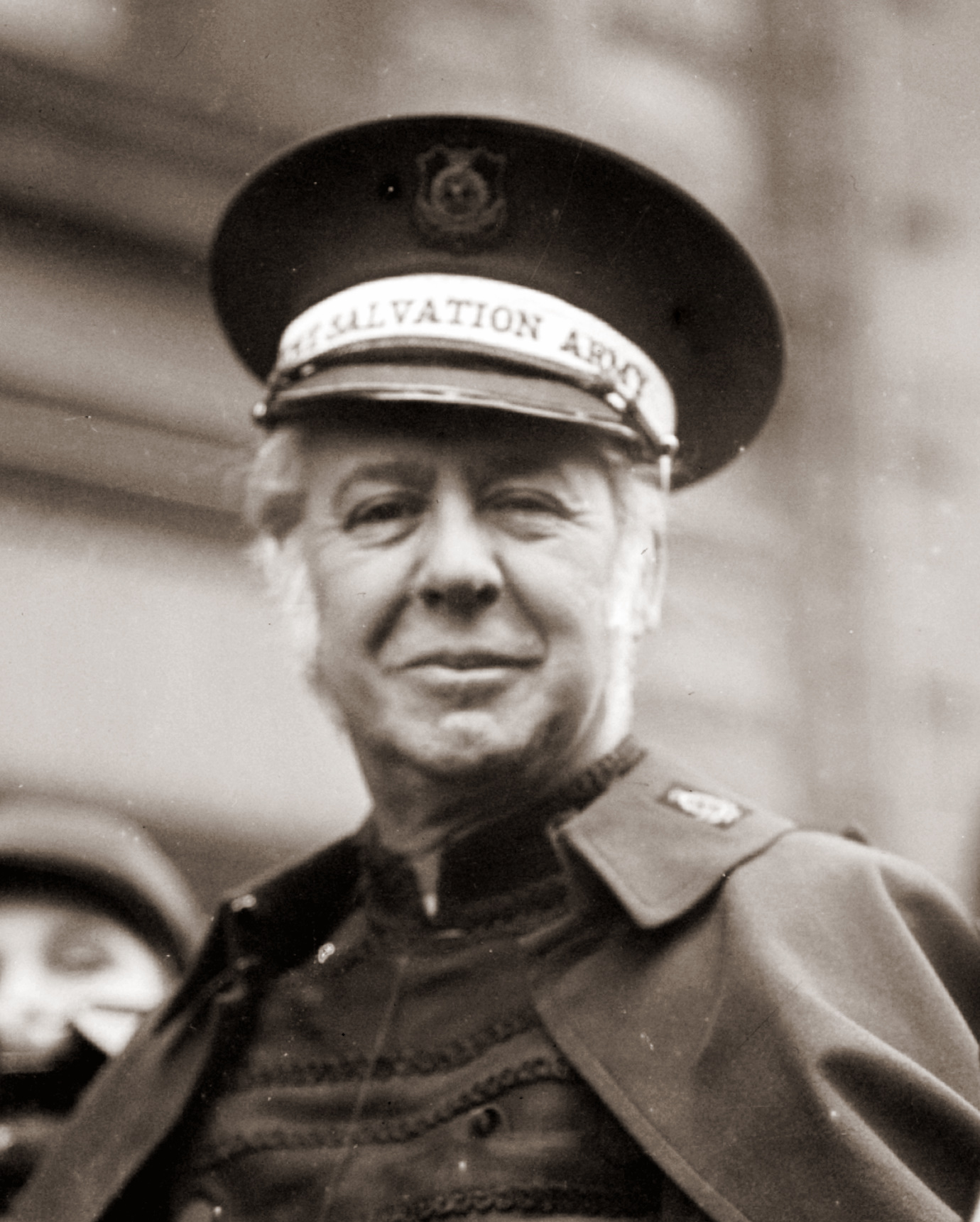
Bramwell Booth
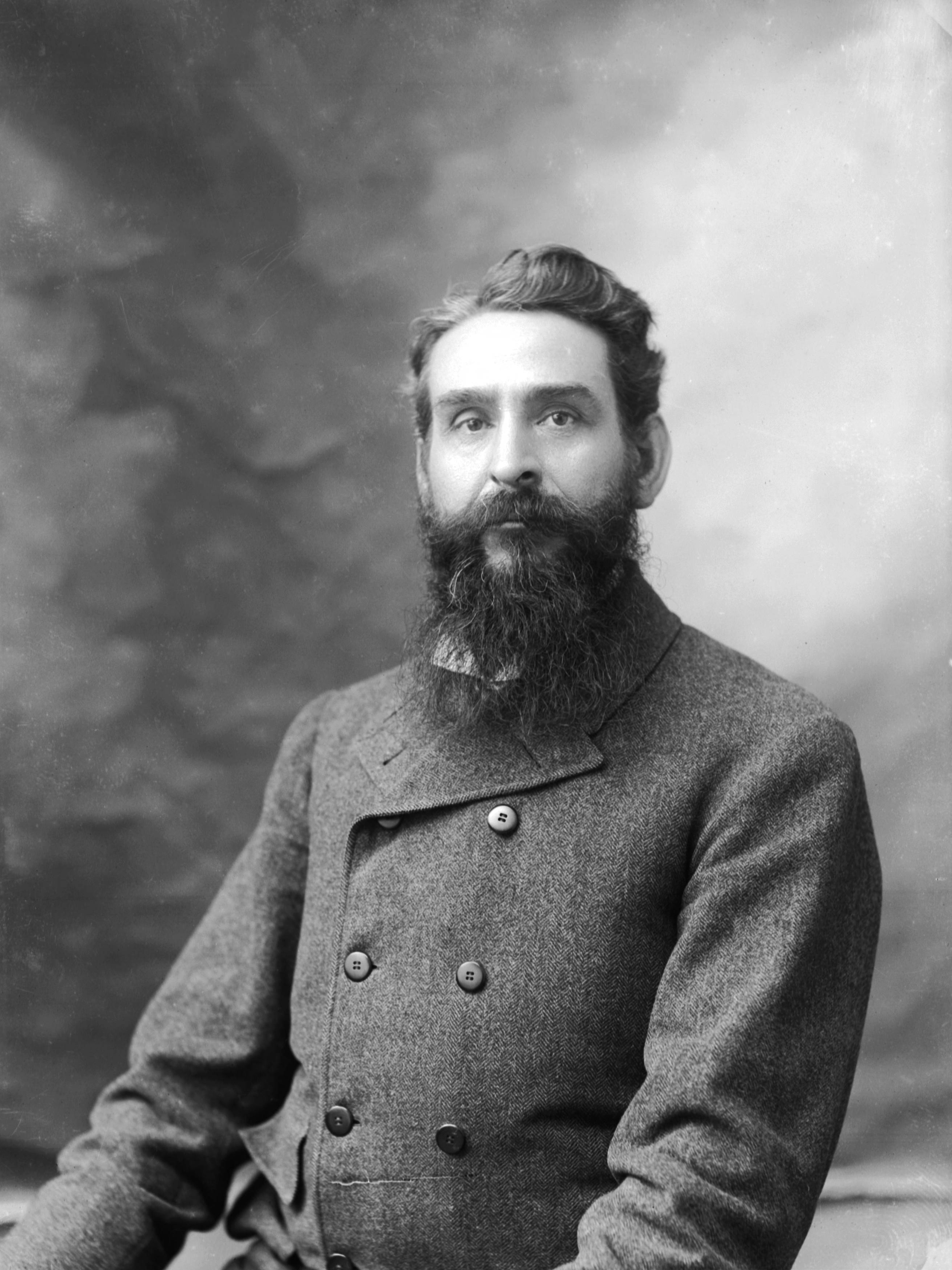
William Bramwell Booth was a prominent British church and charity leader, best known for his pivotal role in The Salvation Army. Born into a family dedicated to social reform, he became the first Chief of Staff of the organization in 1881, a position he held until 1912. Under his leadership, The Salvation Army expanded its reach and influence, establishing numerous programs aimed at alleviating poverty and providing social services. In 1912, he succeeded his father, William Booth, as the second General of The Salvation Army, further solidifying his legacy within the organization. Bramwell Booth's tenure as General was marked by significant growth and adaptation of The Salvation Army's mission, particularly during the challenging post-World War I era. He emphasized the importance of social justice and community support, steering the organization towards a more inclusive approach to its charitable work. His writings and speeches often reflected his deep commitment to the principles of faith and service, making him a key figure in the development of modern charitable practices. Booth's leadership not only shaped The Salvation Army but also left a lasting impact on the broader landscape of social reform in Britain, establishing a model for future charitable organizations worldwide.
Audiobooks from the author






Link to this page
Add a free, dofollow link to Lex on your blog, forum, syllabus, or reading list.

<a href="https://lex-books.com/author/bramwell-booth"><img src="https://lex-books.com/badges/read-on-lex.svg" alt="Bramwell Booth on Lex" width="160" height="40"></a>[](https://lex-books.com/author/bramwell-booth)[url=https://lex-books.com/author/bramwell-booth][img]https://lex-books.com/badges/read-on-lex.svg[/img][/url]Bramwell Booth on Lex: https://lex-books.com/author/bramwell-booth