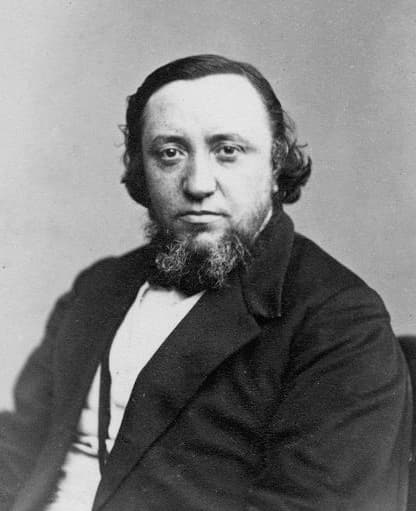
Benjamin Ward Richardson
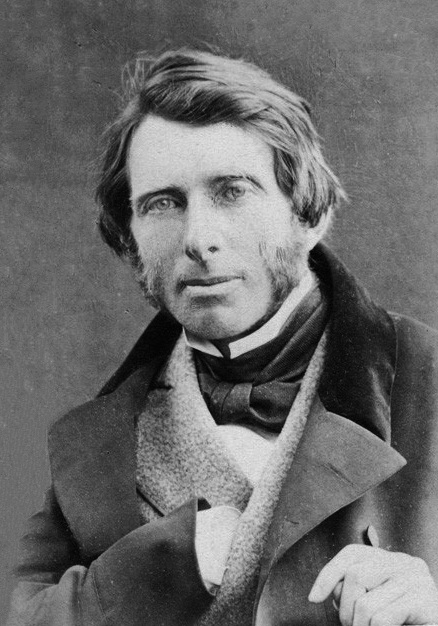
Sir Benjamin Ward Richardson was a distinguished British physician and anaesthetist, renowned for his contributions to medical science and history. Born in 1828, he became a prominent figure in the field of anaesthesia, building upon the pioneering work of his close friend and colleague, John Snow. Following Snow's untimely death, Richardson took on the critical task of editing and publishing Snow's influential work, 'On Chloroform and Other Anaesthetics,' in 1858. He was a steadfast advocate for Snow's revolutionary ideas regarding the microbial origins of infectious diseases, which shaped his approach to medicine throughout his career. Richardson's innovative spirit led him to introduce fourteen anaesthetics into clinical practice, with methylene bichloride being one of the most notable. He also invented the first double-valved mouthpiece for chloroform administration, enhancing the safety and efficacy of anaesthetic procedures. His research extended to the properties of amyl nitrite, which became a key treatment for angina pectoris, and he introduced various other substances that significantly impacted medical treatments. In recognition of his humanitarian efforts and medical advancements, he was knighted in 1893, leaving a lasting legacy in the fields of anaesthesia and public health.
Books from the author



Link to this page
Add a free, dofollow link to Lex on your blog, forum, syllabus, or reading list.

<a href="https://lex-books.com/author/benjamin-ward-richardson"><img src="https://lex-books.com/badges/read-on-lex.svg" alt="Benjamin Ward Richardson on Lex" width="160" height="40"></a>[](https://lex-books.com/author/benjamin-ward-richardson)[url=https://lex-books.com/author/benjamin-ward-richardson][img]https://lex-books.com/badges/read-on-lex.svg[/img][/url]Benjamin Ward Richardson on Lex: https://lex-books.com/author/benjamin-ward-richardson