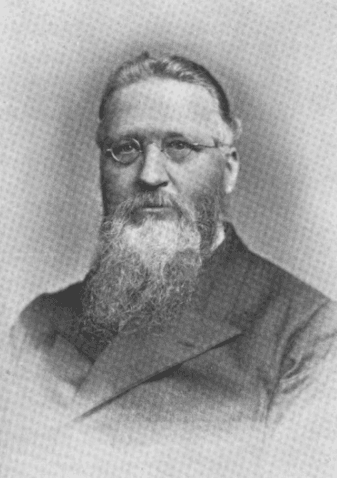
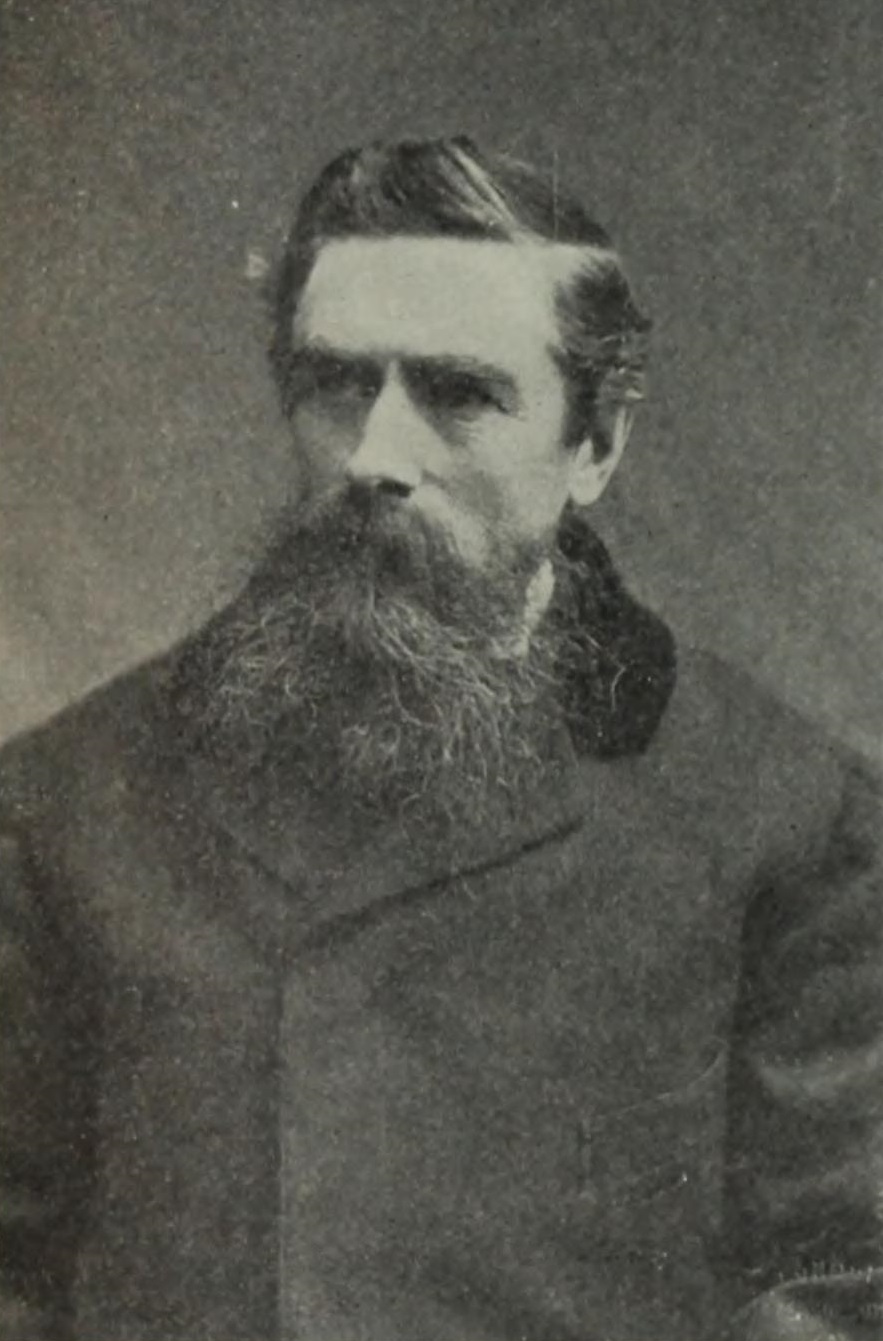
Edward Berdoe
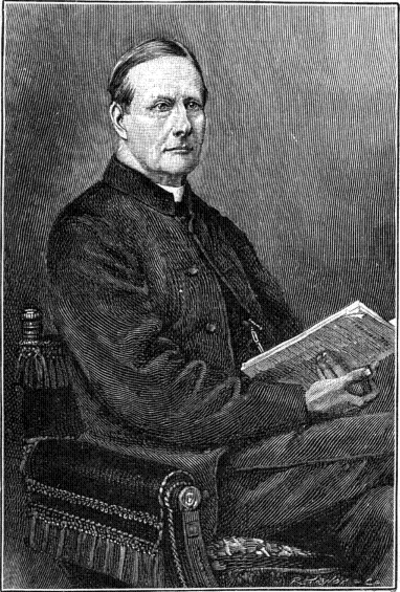
Edward Berdoe was an English physician and writer known for his passionate advocacy against vivisection, a practice he vehemently opposed throughout his career. His medical background informed his writings, which often critiqued the ethical implications of medical experimentation on both humans and animals. Berdoe's commitment to anti-vivisectionism was not only a personal conviction but also a significant aspect of the broader social reform movements of his time, reflecting the growing concerns about animal rights and medical ethics in the late 19th and early 20th centuries. In addition to his activism, Berdoe was an accomplished scholar of literature, particularly noted for his studies on the works of Robert Browning. His literary contributions included critical essays and analyses that highlighted Browning's influence on contemporary thought. Berdoe's dual focus on literature and ethical medical practices positioned him as a unique figure in Victorian society, where the intersections of art, science, and morality were increasingly scrutinized. His legacy endures in both the fields of literature and animal rights, as he helped to shape the discourse surrounding the ethical treatment of living beings.
Books from the author


Link to this page
Add a free, dofollow link to Lex on your blog, forum, syllabus, or reading list.

<a href="https://lex-books.com/author/edward-berdoe"><img src="https://lex-books.com/badges/read-on-lex.svg" alt="Edward Berdoe on Lex" width="160" height="40"></a>[](https://lex-books.com/author/edward-berdoe)[url=https://lex-books.com/author/edward-berdoe][img]https://lex-books.com/badges/read-on-lex.svg[/img][/url]Edward Berdoe on Lex: https://lex-books.com/author/edward-berdoe