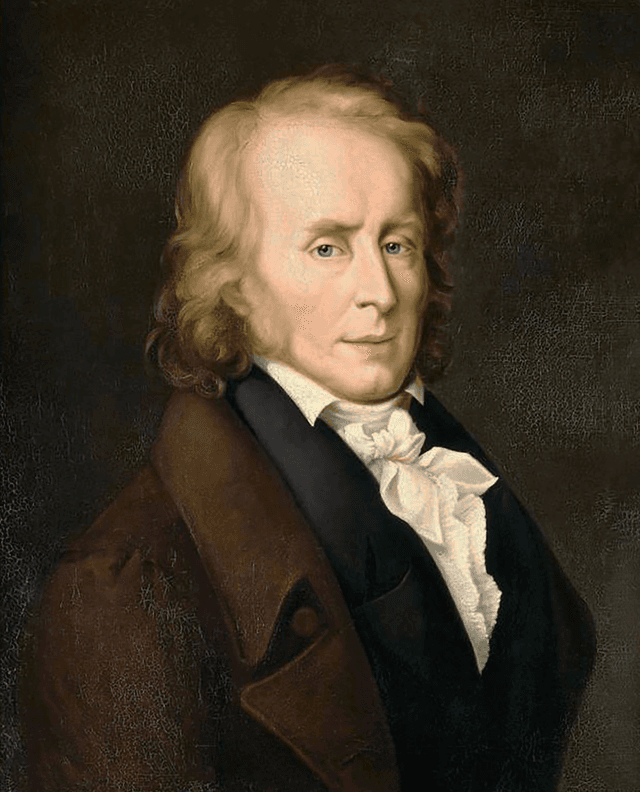
Benjamin Constant
Henri-Benjamin Constant de Rebecque, known as Benjamin Constant, was a prominent Swiss and French political thinker, activist, and writer whose contributions to political theory and literature left a lasting impact on the intellectual landscape of his time. A committed republican from 1795, he played a significant role in the political upheavals of the late 18th and early 19th centuries, supporting key coups and becoming a leading voice for the Liberal opposition during the Consulate. His political career saw him navigate complex relationships with figures like Napoleon, with whom he had a contentious yet collaborative association, particularly during the drafting of the Charter of 1815. Elected to the Chamber of Deputies in 1818, Constant was known for his eloquent oratory and staunch advocacy for parliamentary democracy, influencing the political discourse of his era until his death in 1830. In addition to his political endeavors, Constant was also a notable literary figure, exploring themes of romantic love and personal reflection. His autobiographical work, Le Cahier rouge, provides insight into his passionate relationship with the influential writer Madame de Staël, while his novella Adolphe delves into the complexities of love and emotional conflict. Through these works, Constant not only contributed to the political dialogue of his time but also enriched the literary landscape with his explorations of human emotion and relationships, marking him as a significant figure in both political and literary history.
Famous Quotes
View all 3 quotes“The great question in life is the suffering we cause, and the most ingenious metaphysics do not justify the man who has broken the heart that loved him.”
“Every time government attempts to handle our affairs, it costs more and the results are worse than if we had handled them ourselves.”
“Art for art's sake, with no purpose, for any purpose perverts art. But art achieves a purpose which is not its own. (1804)”
Books from the author





Link to this page
Add a free, dofollow link to Lex on your blog, forum, syllabus, or reading list.

<a href="https://lex-books.com/author/benjamin-constant"><img src="https://lex-books.com/badges/read-on-lex.svg" alt="Benjamin Constant on Lex" width="160" height="40"></a>[](https://lex-books.com/author/benjamin-constant)[url=https://lex-books.com/author/benjamin-constant][img]https://lex-books.com/badges/read-on-lex.svg[/img][/url]Benjamin Constant on Lex: https://lex-books.com/author/benjamin-constant