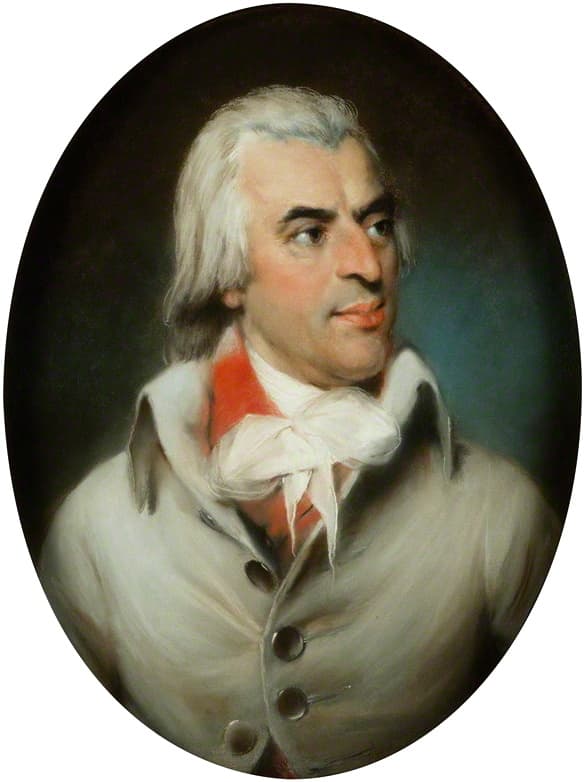
Arthur Young
Arthur Young was an English writer and social reformer, best known for his influential works on agriculture and rural economy. Born in 1741, he dedicated much of his life to the study of farming practices, advocating for improvements in agricultural methods during a time of significant change in British society. His seminal work, 'The Farmer's Letters,' published in 1767, provided a detailed analysis of farming techniques and the socio-economic conditions of rural life, establishing him as a leading voice in agricultural reform. Young's observations and recommendations were instrumental in the agricultural revolution, promoting innovations that would enhance productivity and efficiency in farming. In addition to his contributions to agriculture, Young was also a keen observer of social issues, documenting the lives of the rural poor and advocating for their rights. His writings often reflected a deep concern for the welfare of the working class, and he was an early proponent of social change. Young's legacy is marked by his commitment to improving agricultural practices and his efforts to address social inequalities, making him a significant figure in both the agricultural and social reform movements of his time. His work laid the groundwork for future advancements in farming and influenced subsequent generations of agriculturalists and reformers.
Famous Quotes
View all 2 quotes“É impossível justificar os excessos do povo ao pegar em armas... Mas é realmente o povo a quem devemos imputar tudo, ou a seus opressores, que os mantiveram por tanto tempo na escravidão? Aquele que escolhe ser servido por escravos, e por escravos mal-tratados deve saber que preserva tanto sua propriedade quanto sua vida através da dominação, diferentemente de quem prefere os serviços de homens livres e bem tratados; e aquele que ceia ao som de lamentos de dor não deve, num momento de insurreição, reclamar que suas filhas foram violentadas e mortas, nem que cortaram a garganta de seus filhos. Quando tais males ocorrem, certamente são mais imputáveis à tirania dos grandes senhores do que à crueldade dos servos.”
“God sleeps in the minerals, awakens in plants, walks in animals, and thinks in man.”
Books from the author



Link to this page
Add a free, dofollow link to Lex on your blog, forum, syllabus, or reading list.

<a href="https://lex-books.com/author/arthur-young"><img src="https://lex-books.com/badges/read-on-lex.svg" alt="Arthur Young on Lex" width="160" height="40"></a>[](https://lex-books.com/author/arthur-young)[url=https://lex-books.com/author/arthur-young][img]https://lex-books.com/badges/read-on-lex.svg[/img][/url]Arthur Young on Lex: https://lex-books.com/author/arthur-young