Arthur Kitson
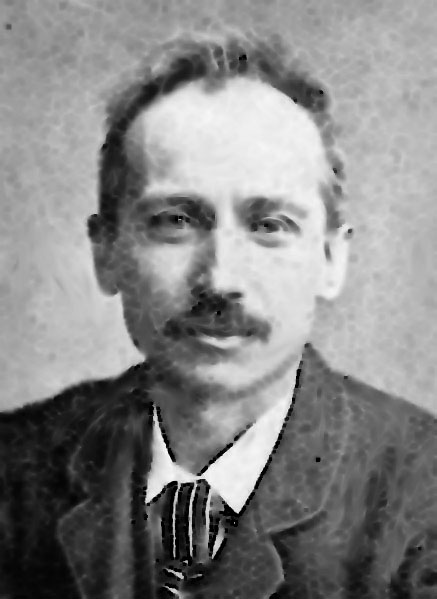
Arthur Kitson was a British monetary theorist and inventor known for his innovative ideas on currency and banking. Born in London, he became a prominent figure in the late 19th and early 20th centuries, advocating for monetary reform and the establishment of a more equitable financial system. Kitson was particularly critical of the gold standard and proposed alternatives that emphasized the importance of credit and the role of government in managing the economy. His works, including 'The Problem of the Currency' and 'The Science of Money', challenged conventional economic thought and sought to address the issues of poverty and inequality through financial reform. Kitson's contributions extended beyond theory; he was also an inventor, developing various devices and systems aimed at improving industrial efficiency. His ideas influenced a range of economic discussions and laid groundwork for later monetary theories. Although not as widely recognized today, Kitson's work remains significant for its forward-thinking approach to economics and its emphasis on social justice. His legacy is reflected in ongoing debates about monetary policy and the role of government in economic systems, highlighting the enduring relevance of his ideas in contemporary discussions about finance and equity.
Books from the author






Link to this page
Add a free, dofollow link to Lex on your blog, forum, syllabus, or reading list.

<a href="https://lex-books.com/author/arthur-kitson"><img src="https://lex-books.com/badges/read-on-lex.svg" alt="Arthur Kitson on Lex" width="160" height="40"></a>[](https://lex-books.com/author/arthur-kitson)[url=https://lex-books.com/author/arthur-kitson][img]https://lex-books.com/badges/read-on-lex.svg[/img][/url]Arthur Kitson on Lex: https://lex-books.com/author/arthur-kitson