António Augusto Teixeira de Vasconcelos
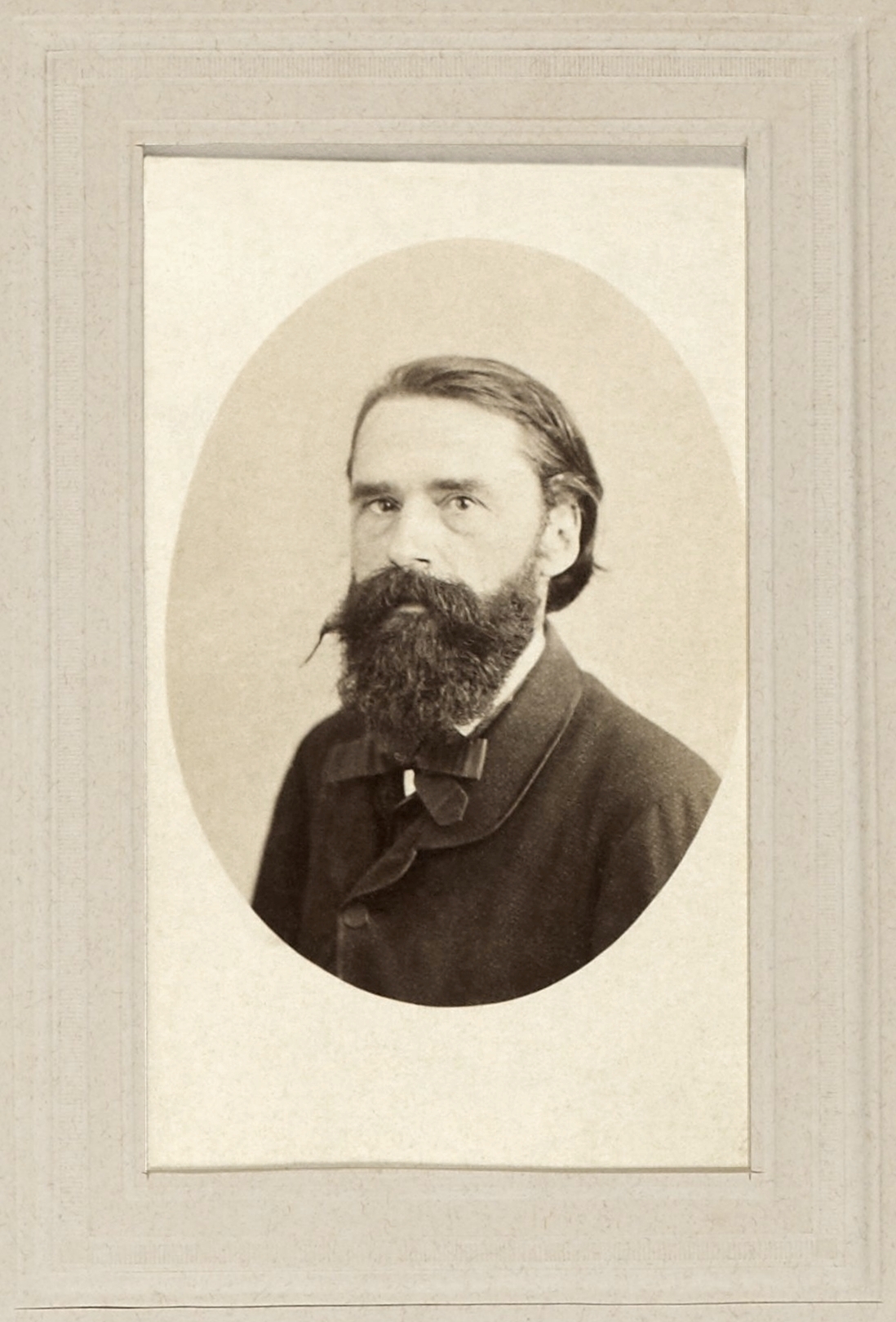
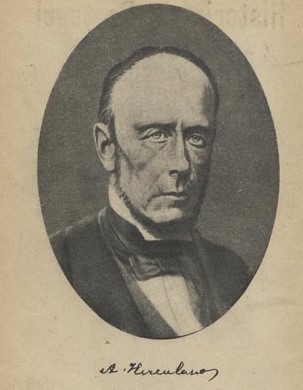
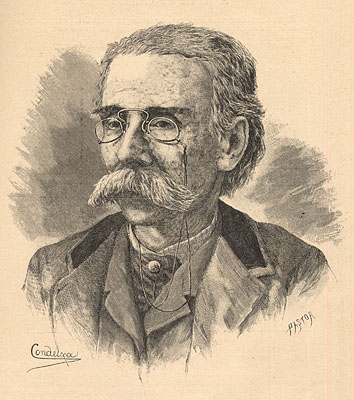
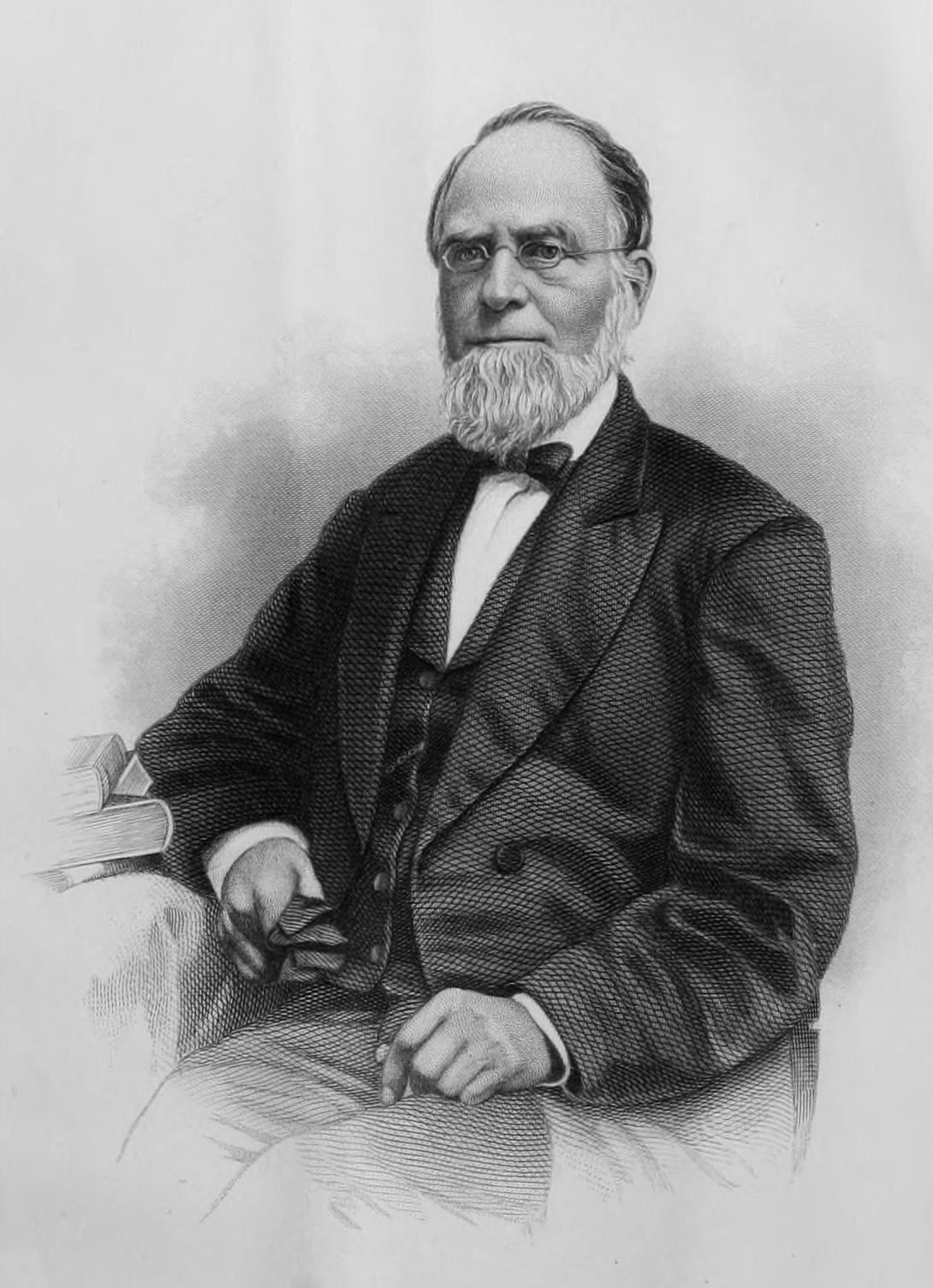
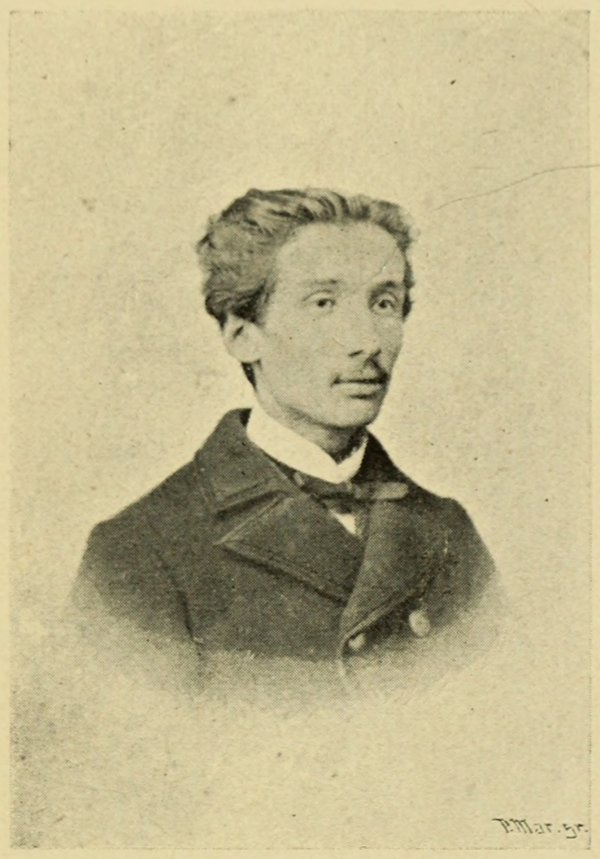
António Augusto Teixeira de Vasconcelos was a prominent Portuguese historian and writer known for his contributions to the understanding of Portuguese history and identity. Born in 1816, he emerged during a time of significant political and social change in Portugal, which influenced his work and perspective. His most notable work, 'A Fundação Da Monarchia Portugueza: Narração Anti-Iberica,' presents a narrative that defends the uniqueness of the Portuguese monarchy against Iberian influences, emphasizing the distinct cultural and historical identity of Portugal. This work is significant for its role in shaping nationalist sentiments during the 19th century, as it sought to reinforce the idea of a separate Portuguese identity in the face of external pressures from Spain. In addition to his historical writings, Vasconcelos also penned 'Oração Funebre Recitada Nas Exequias Do Illm.^o E Exm.^o Sr. Pedro Alexandrino Da Cunha,' a funeral oration that showcases his eloquence and rhetorical skill. Through his writings, Vasconcelos contributed to the discourse on nationalism and the historical narrative of Portugal, leaving a legacy that influenced subsequent generations of historians and writers. His works remain an important part of the Portuguese literary canon, reflecting the complexities of national identity in a time of transformation.
Books from the author



Link to this page
Add a free, dofollow link to Lex on your blog, forum, syllabus, or reading list.

<a href="https://lex-books.com/author/antónio-augusto-teixeira-de-vasconcelos"><img src="https://lex-books.com/badges/read-on-lex.svg" alt="António Augusto Teixeira de Vasconcelos on Lex" width="160" height="40"></a>[](https://lex-books.com/author/antónio-augusto-teixeira-de-vasconcelos)[url=https://lex-books.com/author/antónio-augusto-teixeira-de-vasconcelos][img]https://lex-books.com/badges/read-on-lex.svg[/img][/url]António Augusto Teixeira de Vasconcelos on Lex: https://lex-books.com/author/antónio-augusto-teixeira-de-vasconcelos