
Amy Levy
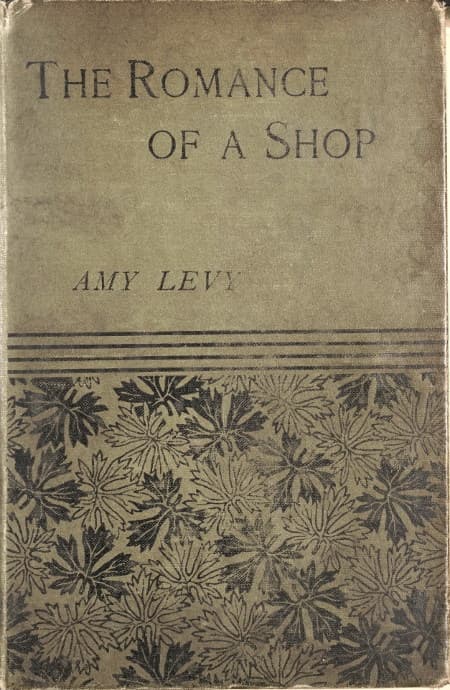
Amy Levy was an influential English essayist, poet, and novelist, recognized for her contributions to literature and her role in the feminist movement of the late 19th century. As the third Jewish woman to attend Cambridge University and the second Jewish student at Newnham College, she broke barriers in a predominantly male academic environment. Levy's literary works, including her notable novels 'The Romance of a Shop' and 'Miss Meredith', explored themes of gender, identity, and societal expectations, reflecting her own experiences as a woman navigating a patriarchal society. Her poetry, characterized by its emotional depth and innovative style, further established her as a significant voice in Victorian literature. Levy was also known for her vibrant social life, forming connections with fellow writers and activists who embodied the emerging 'New Woman' ideal. Her relationships with both women and men, along with her candid discussions on sexuality and feminism, positioned her as a pioneering figure in the exploration of women's rights and sexual autonomy. Despite her untimely death at the age of 27, Levy's legacy endures through her writings, which continue to inspire discussions about gender and identity in literature, marking her as a key figure in the evolution of feminist thought in the 19th century.
Famous Quotes
View all 3 quotes“For good or evil, these waifs on the great stream of London life had drifted together; how long the current should continue thus to bear them side by side- how long, indeed, they should float on the surface of the stream at all, was a question with which for the time being, they did not very much trouble themselves.”
“Death, as a general statement, is so easy of utterance, of belief; it is only when we come face to face with it that we find the great mystery so cruelly hard to realise; for death, like love, is ever old and ever new.”
“A curious, dreamlike sensation stole over Gertrude at finding herself once again in a roomful of people; and as an old war-horse is said to become excited at the sound of battle, so she felt the social instincts rise strongly within her as the familiar, forgotten pageant of nods and becks and wreathed smiles burst anew upon her.”
Books from the author

Link to this page
Add a free, dofollow link to Lex on your blog, forum, syllabus, or reading list.

<a href="https://lex-books.com/author/amy-levy"><img src="https://lex-books.com/badges/read-on-lex.svg" alt="Amy Levy on Lex" width="160" height="40"></a>[](https://lex-books.com/author/amy-levy)[url=https://lex-books.com/author/amy-levy][img]https://lex-books.com/badges/read-on-lex.svg[/img][/url]Amy Levy on Lex: https://lex-books.com/author/amy-levy