Alfred Sutro
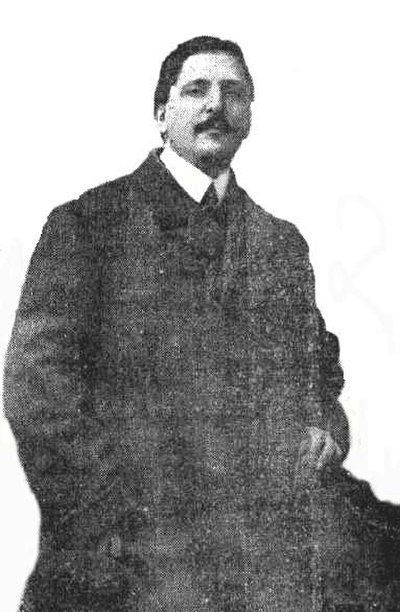
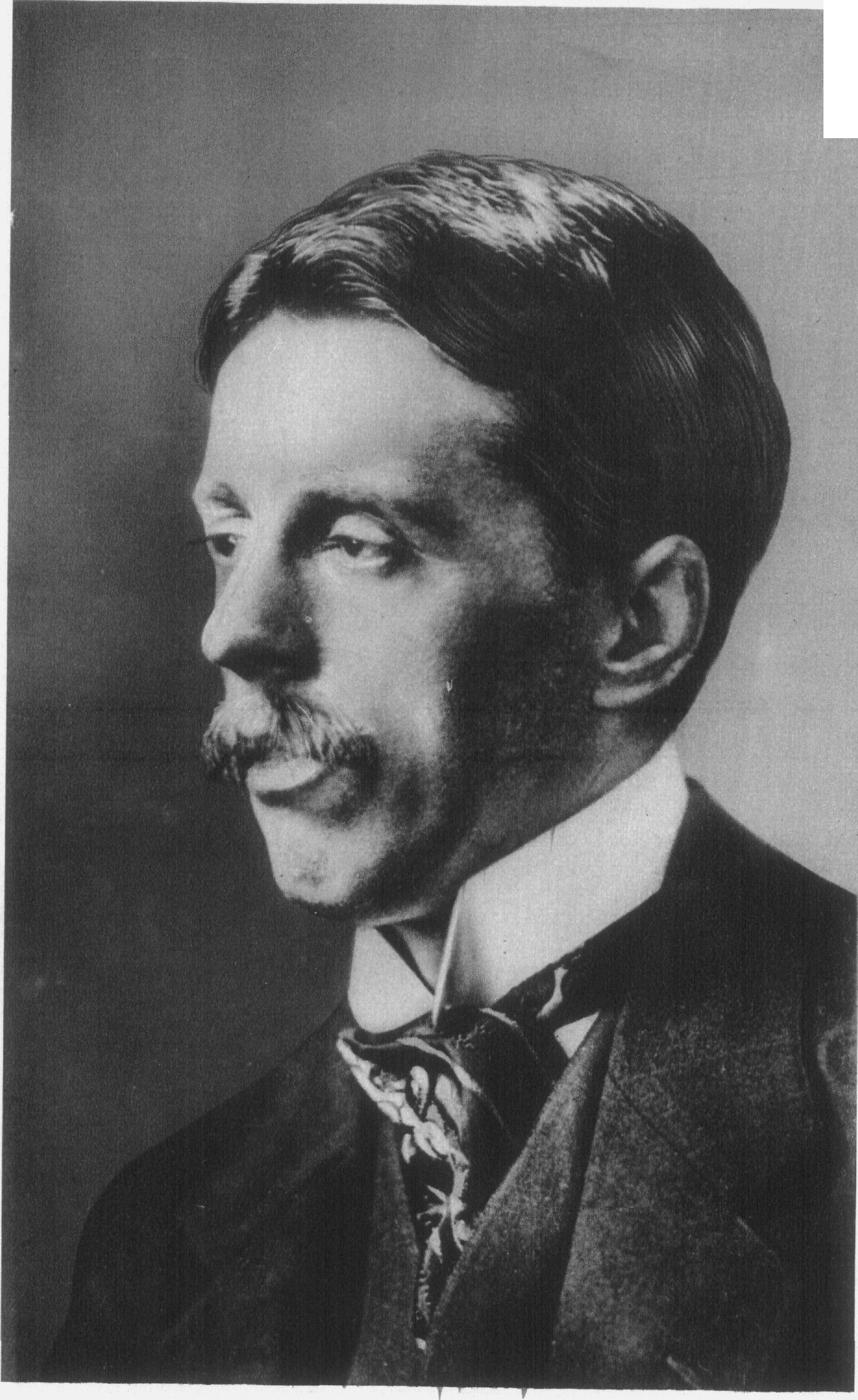
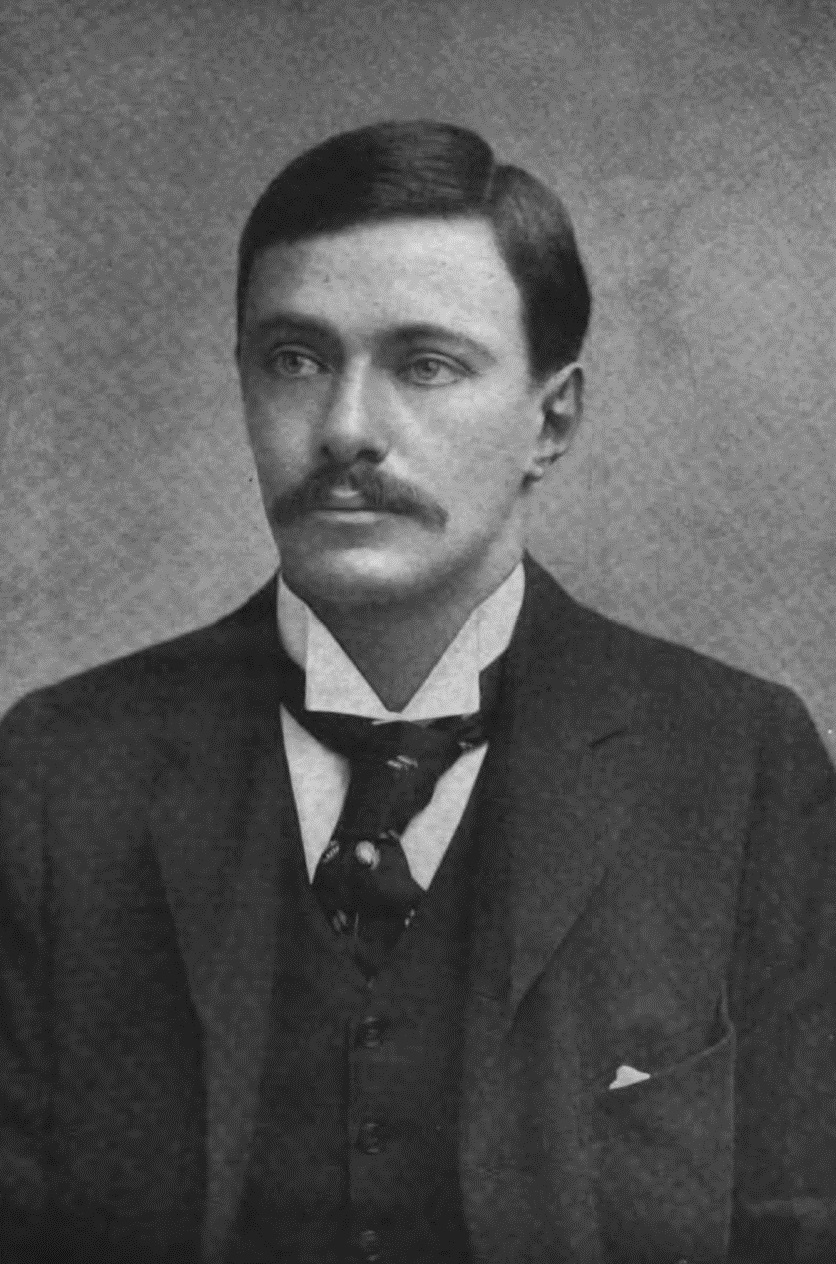
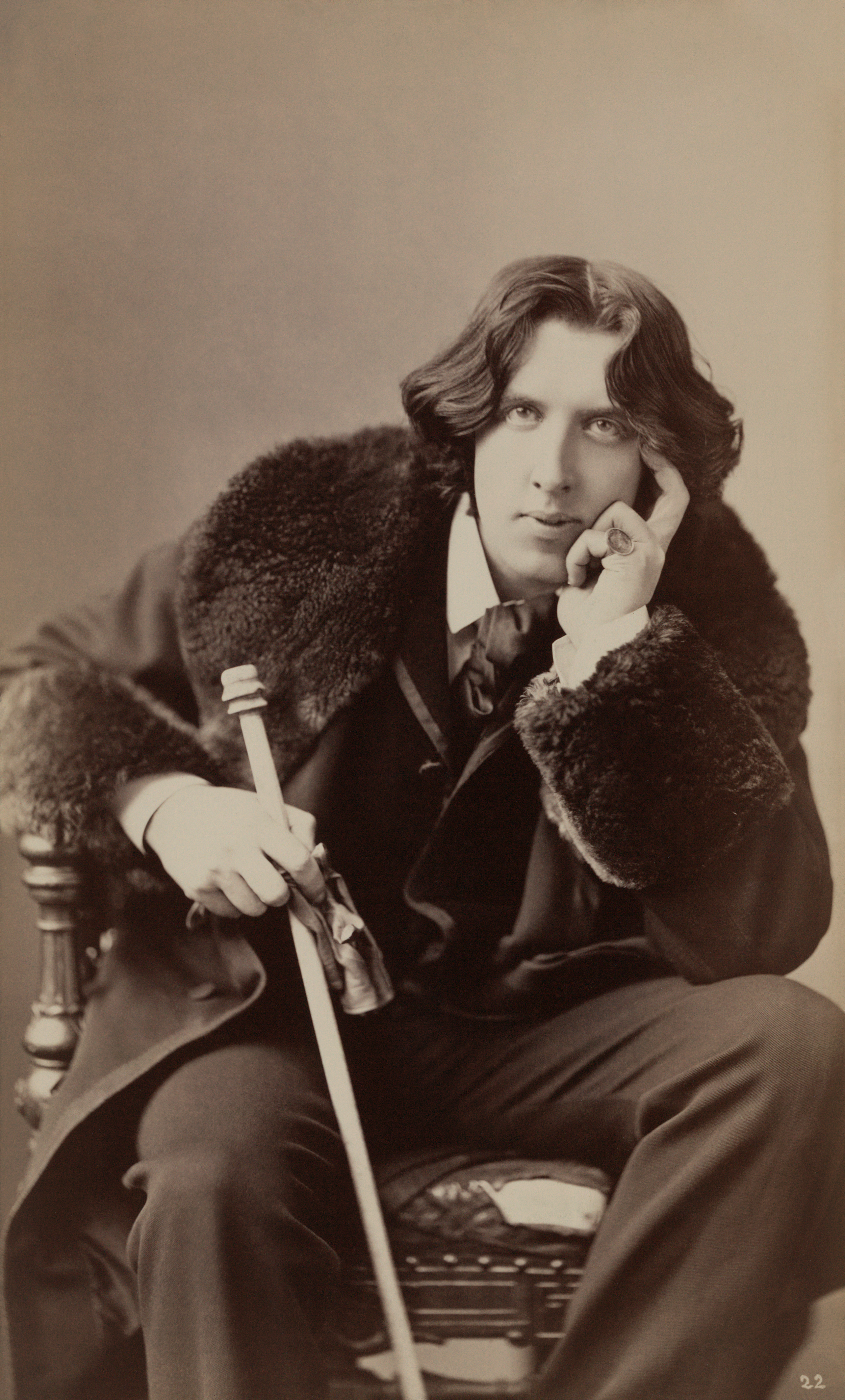
Alfred Sutro was an influential English dramatist and translator, recognized for his significant contributions to early 20th-century theatre. Born in 1863, he gained prominence through a series of successful plays that showcased his talent for capturing the complexities of human emotion and social dynamics. His works often reflected the themes of love, loss, and the human condition, resonating with audiences of his time. Notable plays such as 'The Last of Mrs. Cheyney' and 'The Man Who Stayed at Home' highlighted his ability to blend wit with poignant storytelling, establishing him as a key figure in the theatrical landscape of his era. In addition to his original works, Sutro played a crucial role in bringing the writings of Belgian playwright Maurice Maeterlinck to the English-speaking world through his pioneering translations. His efforts not only expanded the reach of Maeterlinck's innovative ideas but also enriched the English theatre with new perspectives and styles. Sutro's legacy endures as a testament to his artistic vision and his impact on the evolution of modern drama, marking him as a significant figure in the cultural fabric of his time.
Famous Quotes
View all 3 quotes“That's the penalty we have to pay for our acts of foolishness - someone else always suffers for them.”
“ALINE: Is it to oblige my mother, then, that you desire to marry me? CROCKSTEAD: Well, no. But you see I must marry some one, in mere self-defence; and honestly, I think you will do at least as well as any one else.”
“ALINE: You speak French? CROCKSTEAD: I am fond of it. It is the true and native language of insincerity.”
Books from the author




Link to this page
Add a free, dofollow link to Lex on your blog, forum, syllabus, or reading list.

<a href="https://lex-books.com/author/alfred-sutro"><img src="https://lex-books.com/badges/read-on-lex.svg" alt="Alfred Sutro on Lex" width="160" height="40"></a>[](https://lex-books.com/author/alfred-sutro)[url=https://lex-books.com/author/alfred-sutro][img]https://lex-books.com/badges/read-on-lex.svg[/img][/url]Alfred Sutro on Lex: https://lex-books.com/author/alfred-sutro