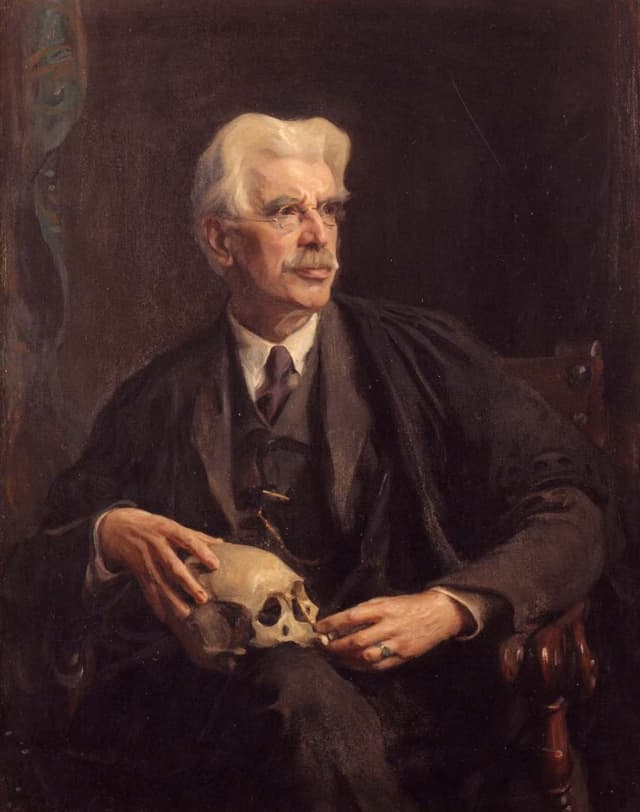
Alfred C. Haddon
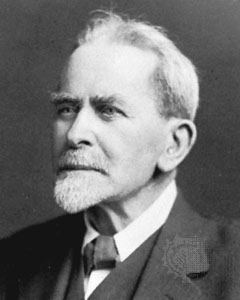
Alfred C. Haddon was a prominent British anthropologist and ethnographer, best known for his pioneering work in the study of the cultures of the Torres Strait Islands. Born in 1855, Haddon was initially trained in natural sciences, but his interests shifted towards anthropology, particularly after his fieldwork in the Pacific Islands. His most notable work, 'The Study of Man,' published in 1898, laid the groundwork for modern anthropological methods and emphasized the importance of field research. Haddon was also a key figure in the Cambridge School of Anthropology, where he influenced a generation of scholars with his innovative approaches to understanding human societies. Haddon's contributions extended beyond academia; he was instrumental in the establishment of the British Association for the Advancement of Science and played a significant role in the development of anthropology as a discipline. His fieldwork in the Torres Strait not only documented the lives and customs of indigenous peoples but also challenged prevailing notions of racial superiority and cultural hierarchy. Haddon’s legacy is marked by his commitment to empirical research and his advocacy for the ethical treatment of the cultures he studied, making him a significant figure in the history of anthropology.
Books from the author
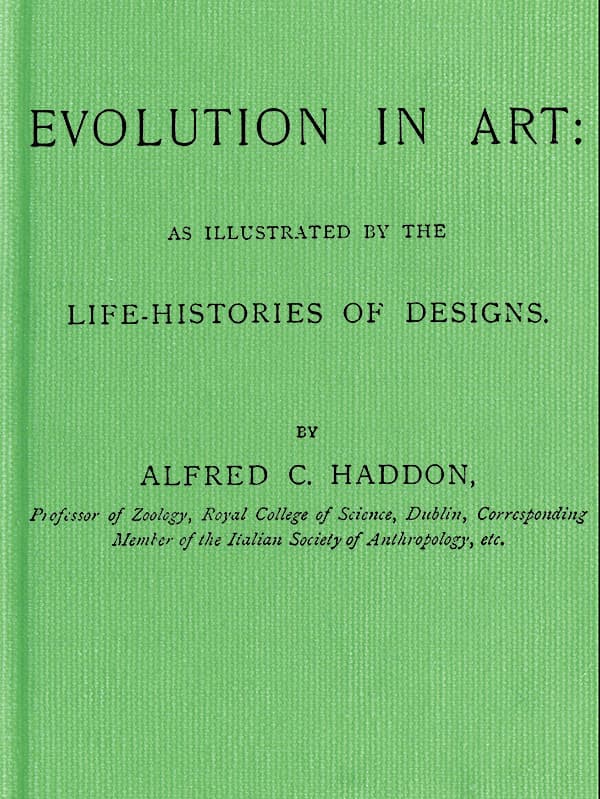
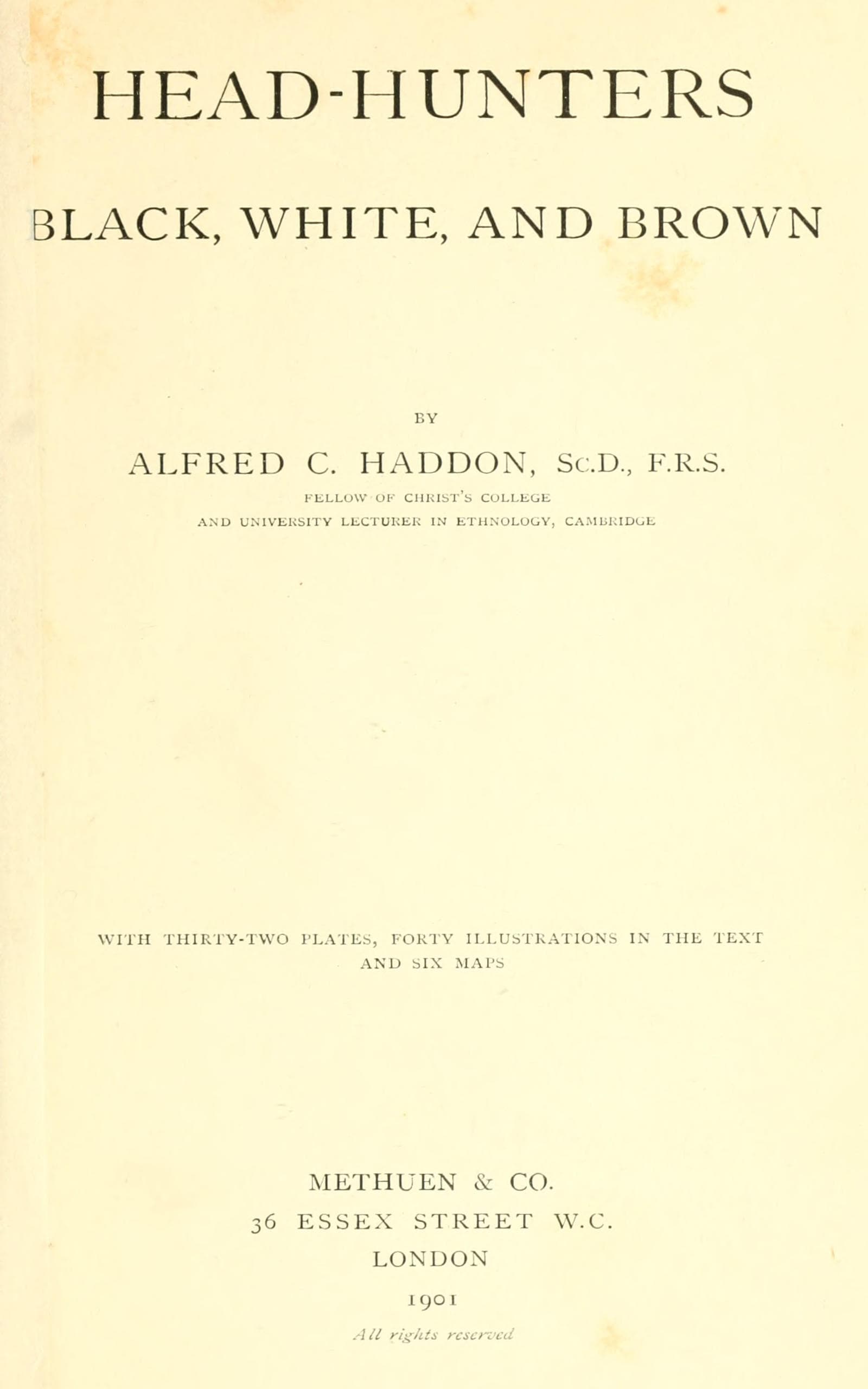
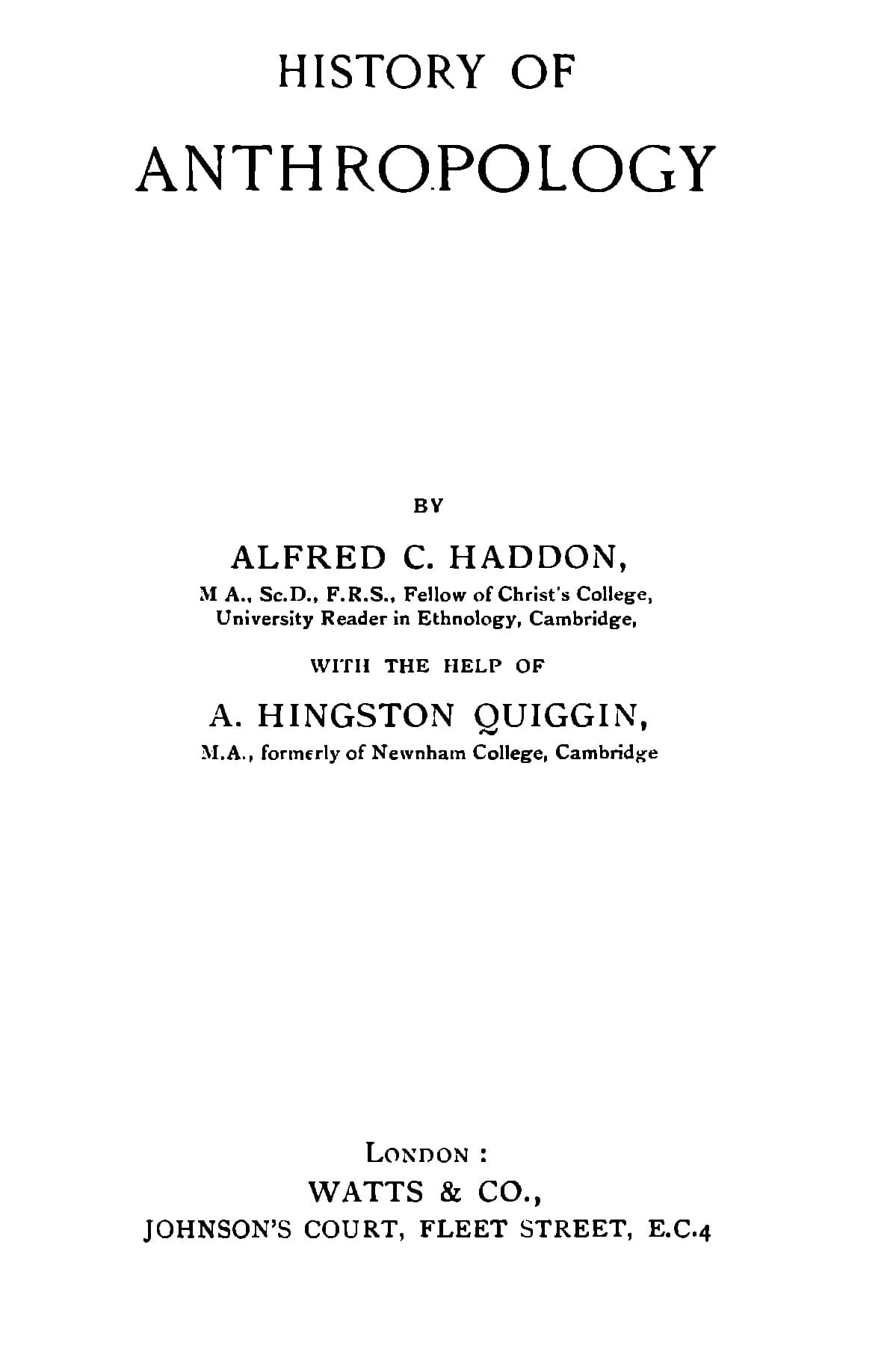










Link to this page
Add a free, dofollow link to Lex on your blog, forum, syllabus, or reading list.

<a href="https://lex-books.com/author/alfred-c-haddon"><img src="https://lex-books.com/badges/read-on-lex.svg" alt="Alfred C. Haddon on Lex" width="160" height="40"></a>[](https://lex-books.com/author/alfred-c-haddon)[url=https://lex-books.com/author/alfred-c-haddon][img]https://lex-books.com/badges/read-on-lex.svg[/img][/url]Alfred C. Haddon on Lex: https://lex-books.com/author/alfred-c-haddon