Evolution in Art: As Illustrated by the Life-Histories of Designs
1895
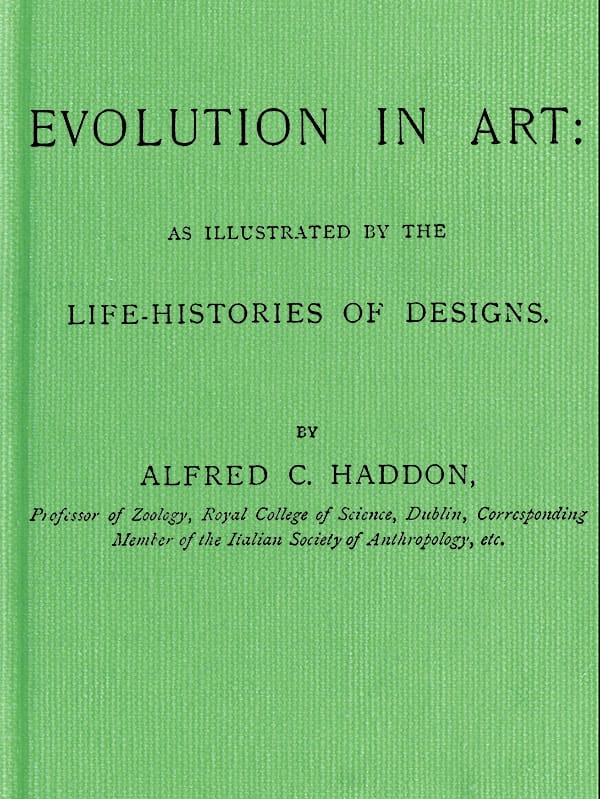
Evolution in Art: As Illustrated by the Life-Histories of Designs
1895
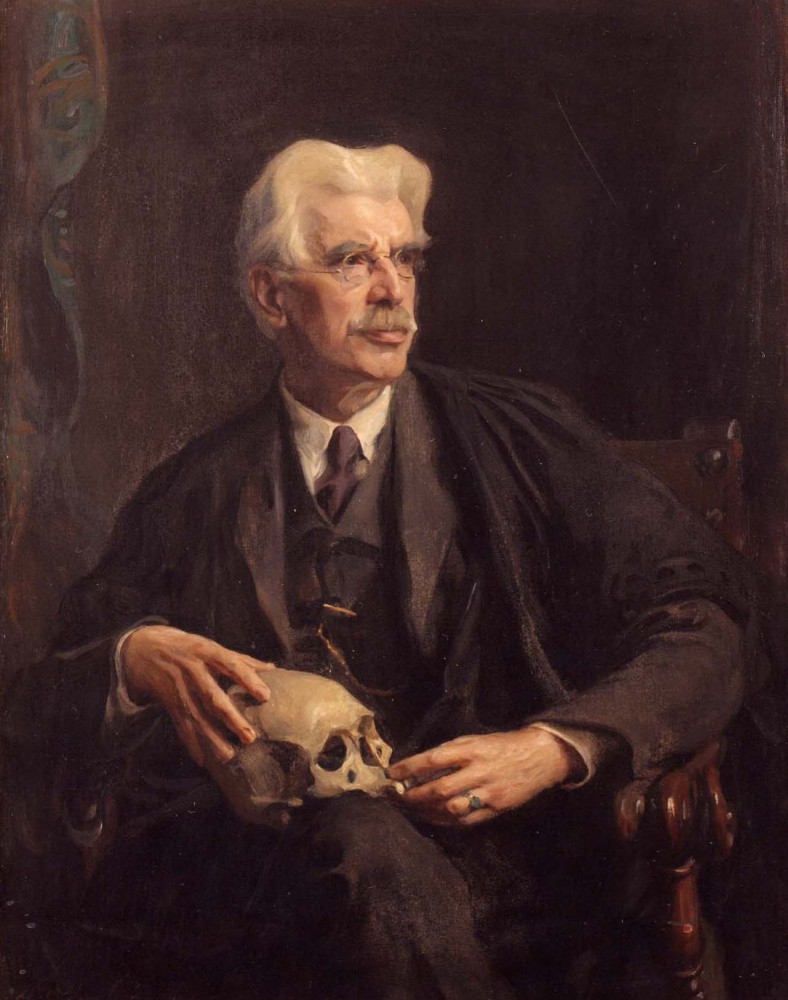
In this audacious 1895 study, Alfred Haddon proposes something radical: what if decorative designs evolve like living creatures? Drawing on fieldwork in British New Guinea and beyond, he traces the life-history of artistic motifs from their origins through growth, variation, and eventual decline, treating each design as a cultural organism subject to pressures of transmission and adaptation. Haddon's comparative method is meticulous and counterintuitive, arguing that studying a single region's art in depth reveals more about evolutionary processes than sweeping cross-cultural surveys. He insists we must begin with "simpler, less sophisticated forms" to understand how aesthetic traditions emerge and transform. The result is a fascinating time capsule of Victorian anthropology at its most ambitious, bridging natural science and art history in ways that anticipate modern cultural evolution theory. For readers interested in the history of ideas about creativity, or anyone curious about how Darwinian thinking reshaped the human sciences, this remains a provocative foundation.
Editions

Link to this book
Add a free, dofollow link to Lex on your blog, forum, syllabus, or reading list.

<a href="https://lex-books.com/book/evolution-in-art-as-illustrated-by-the-life-histories-of-designs-b8042935-5237-42a4-9382-2cc8c47f52cc"><img src="https://lex-books.com/badges/read-on-lex.svg" alt="Read Evolution in Art: As Illustrated by the Life-Histories of Designs by Alfred C. Haddon free on Lex" width="160" height="40"></a>[](https://lex-books.com/book/evolution-in-art-as-illustrated-by-the-life-histories-of-designs-b8042935-5237-42a4-9382-2cc8c47f52cc)[url=https://lex-books.com/book/evolution-in-art-as-illustrated-by-the-life-histories-of-designs-b8042935-5237-42a4-9382-2cc8c47f52cc][img]https://lex-books.com/badges/read-on-lex.svg[/img][/url]Read Evolution in Art: As Illustrated by the Life-Histories of Designs by Alfred C. Haddon free on Lex: https://lex-books.com/book/evolution-in-art-as-illustrated-by-the-life-histories-of-designs-b8042935-5237-42a4-9382-2cc8c47f52ccCite this book
Reading this edition for a paper or guide? Copy a citation.
Haddon, Alfred C.. Evolution in Art: As Illustrated by the Life-Histories of Designs. Lex, lex-books.com/book/evolution-in-art-as-illustrated-by-the-life-histories-of-designs-b8042935-5237-42a4-9382-2cc8c47f52cc.Haddon, A. C. (1895). Evolution in Art: As Illustrated by the Life-Histories of Designs. Lex. https://lex-books.com/book/evolution-in-art-as-illustrated-by-the-life-histories-of-designs-b8042935-5237-42a4-9382-2cc8c47f52ccHaddon, Alfred C.. Evolution in Art: As Illustrated by the Life-Histories of Designs. Lex. https://lex-books.com/book/evolution-in-art-as-illustrated-by-the-life-histories-of-designs-b8042935-5237-42a4-9382-2cc8c47f52cc.