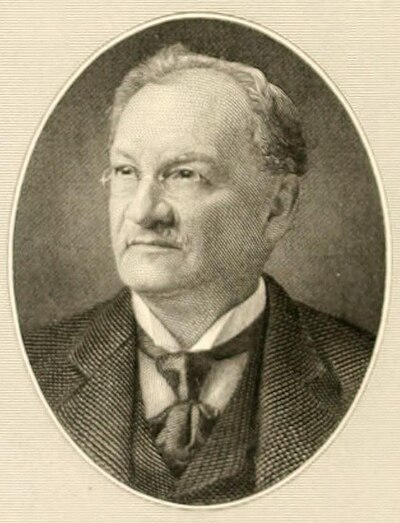
Albert Teichmann
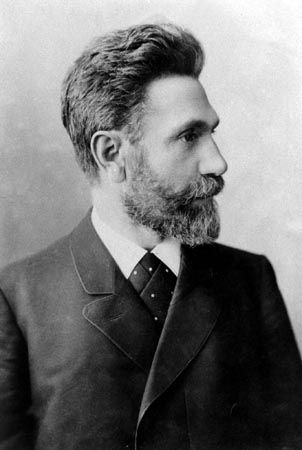
Albert Teichmann was a notable figure in the realm of philosophy and literature, recognized for his contributions to the study of ethics and aesthetics. Born in 1844, he developed a keen interest in the philosophical movements of his time, particularly German Idealism and its implications for moral philosophy. Teichmann's works often explored the intersection of art and morality, reflecting his belief in the transformative power of literature and culture. His writings, which include significant essays and critiques, aimed to bridge the gap between philosophical theory and practical life, making complex ideas accessible to a broader audience. Teichmann's literary significance lies in his ability to synthesize philosophical thought with literary expression, influencing subsequent generations of thinkers and writers. His exploration of ethical dilemmas and aesthetic values contributed to the discourse on the role of art in society. Despite being less known today, his ideas paved the way for later philosophical inquiries into the nature of beauty and morality. Teichmann's legacy endures through the continued relevance of his themes in contemporary philosophical and literary discussions.